
In a world where finding time for physical exercise seems increasingly challenging, pilates in bed offers a revolutionary solution that transforms your own bed into a personal wellness sanctuary. This gentle yet effective approach to movement combines the time-tested principles of Joseph Pilates with the convenience of bedroom-based workouts, creating an accessible path to better health, improved core strength, the ability to build strength in key muscle groups, and more restful sleep.
Whether you’re recovering from an injury, dealing with mobility limitations, or simply seeking a more convenient way to incorporate mindful movement into your daily routine, bed pilates exercises provide a holistic approach to wellness that fits seamlessly into your lifestyle. From energizing morning stretches that prepare your body for the day ahead to relaxing evening routines that promote relaxation and enhance sleep quality, helping you achieve a restful night’s sleep, this comprehensive guide will show you how to maximize your bedroom space for optimal health benefits.
What is Pilates in Bed?
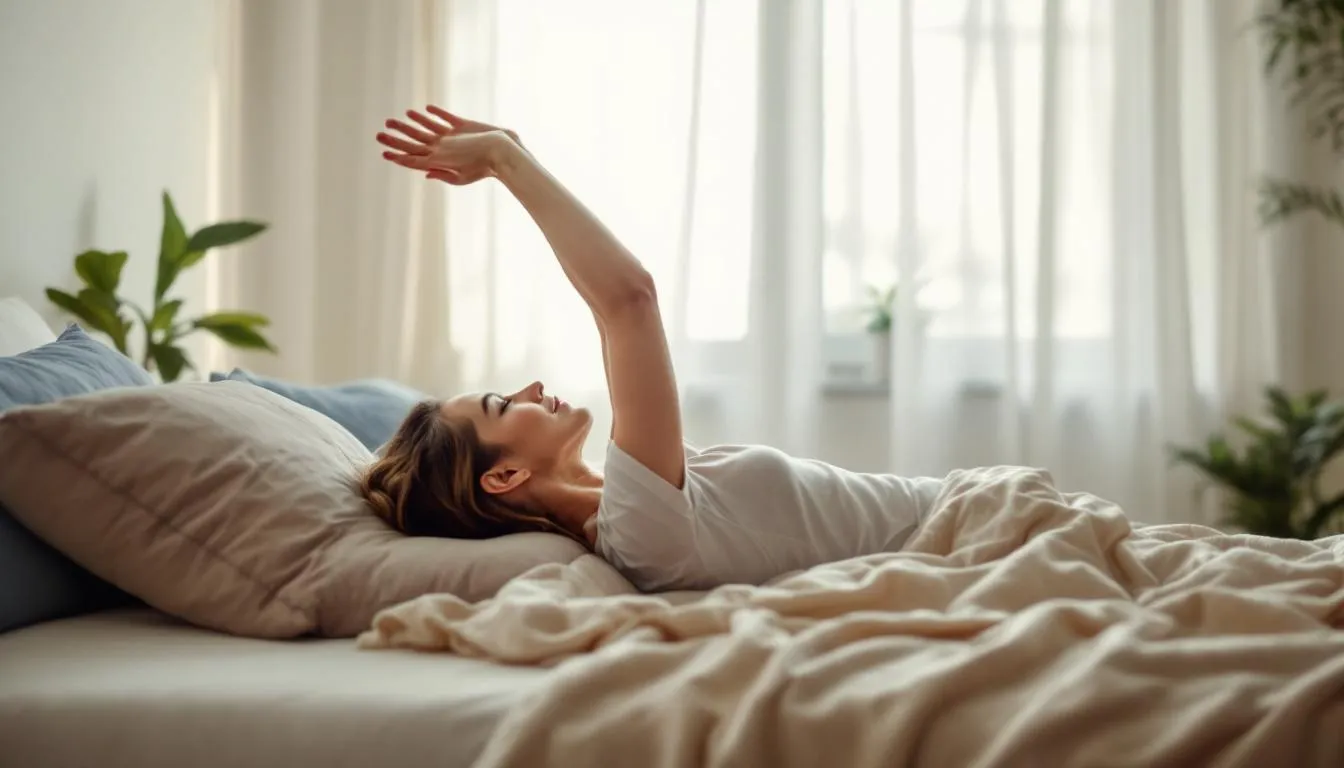
Bed pilates represents a thoughtful adaptation of traditional pilates exercises designed specifically for performance on a mattress surface. Unlike conventional mat pilates practiced on firm floors, bed pilates exercises utilize the softer, less stable surface of beds to create unique challenges for core engagement and body awareness while maintaining accessibility for individuals with various physical limitations.
The concept traces its roots back to Joseph Pilates himself, who developed many of his original techniques while working with bedridden soldiers and detainees during World War I. Recognizing the therapeutic potential of controlled movement for those confined to beds, Pilates created exercises that could be performed safely and effectively without requiring traditional equipment or firm surfaces. His innovative approach even included a patented V-shaped bed design specifically engineered for therapeutic exercises.
Modern bed pilates has evolved to address contemporary wellness needs, offering a convenient solution for busy individuals who struggle to find time for traditional exercise routines. This adaptation maintains the core principles of proper body alignment, controlled breathing, and precise movement while accommodating the unique characteristics of mattress surfaces.
The primary difference between bed pilates and traditional mat pilates lies in surface stability. While mat pilates relies on firm, predictable surfaces that allow for precise control and advanced movements, bed pilates works with the inherent instability of mattresses to challenge stabilizing muscles differently. This softer surface naturally increases proprioceptive demands – the body’s awareness of its position in space – requiring greater engagement from deep core muscles to maintain proper alignment.
The unstable surface of beds also necessitates modifications to traditional pilates exercises. Advanced movements like roll-ups or complex transitions may be limited, but basic exercises often become more challenging due to the increased demand for stabilization. This makes bed pilates particularly suitable for beginners who can build foundational strength and body awareness before progressing to more demanding variations. It also allows individuals to build strength in a supportive environment, especially in key areas like the core and hips, before moving on to more advanced exercises.
Top Benefits of Practicing Pilates in Bed
The advantages of incorporating pilates into your bedroom routine extend far beyond mere convenience, offering a comprehensive approach to physical and mental wellness that can transform both your daily energy levels and nightly rest. By focusing on relaxing evening routines that promote relaxation and enhance sleep quality, you help your body and mind relax, setting the stage for a truly restful night’s sleep.
Enhanced Sleep Quality and Nervous System Regulation
One of the most significant benefits of bed pilates lies in its profound impact on sleep quality. Evening routines that include gentle stretching and breathing techniques help activate the parasympathetic nervous system. Taking deep breaths during these routines can further promote relaxation and prepare the body for a restful night’s sleep, shifting your body from the stress-driven sympathetic state into the rest-and-digest mode essential for restful sleep. The combination of mindful movement and controlled breathing deeply promotes relaxation, helping to reduce stress and prepare both body and mind for a restful night’s sleep.
Research indicates that regular pilates practice can significantly improve sleep patterns, with participants reporting both faster sleep onset and deeper, more restorative rest. The gentle nature of bed-based exercises makes them particularly suitable for evening practice, as they provide sufficient movement to release daily tension without creating the stimulating effects that more vigorous exercise might produce.
Improved Circulation and Morning Energy
Morning bed pilates sessions serve as an excellent way to wake up the circulatory system and gently transition from sleep to active daily life. The controlled movements help stimulate blood flow throughout the body, particularly beneficial after hours of minimal movement during sleep. This enhanced circulation delivers fresh oxygen and nutrients to muscles and organs while helping to remove metabolic waste products that accumulate overnight.
Many practitioners report significant improvements in morning energy levels and reduced stiffness after incorporating bed pilates into their wake-up routine. The gentle activation of muscles and joints helps counteract the effects of prolonged immobility during sleeping, preparing the body for the day’s activities with improved flexibility and reduced risk of injury.
Increased Flexibility and Spinal Mobility
The accessibility of bed pilates removes common barriers that prevent people from maintaining regular stretching routines. Without the need to find floor space or special equipment, individuals can easily incorporate flexibility work into their daily routine. The soft surface of the bed provides comfortable support for stretches that might be uncomfortable on harder surfaces, encouraging longer holds and deeper stretches.
Spinal mobility receives particular attention in bed pilates routines, with exercises like the spine twist and cat cow stretch helping to maintain the health of the vertebral joints and surrounding muscles. Bed pilates can also improve flexibility and mobility in the hips through targeted hip openers and stretches, which is important for overall movement quality and maintaining proper alignment. This is especially valuable for individuals who spend long hours sitting or in static positions throughout the day, as regular spinal movement helps prevent stiffness and maintain proper alignment.
Core Strengthening and Stability
The unstable surface of a mattress creates unique opportunities for core strengthening that differ from traditional floor-based exercises. The need to maintain stability on a soft, shifting surface naturally engages deep core muscles, including the transverse abdominis and multifidus muscles that are crucial for spinal stability and proper body alignment.
Studies have shown that pilates training can increase abdominal endurance by 25-96%, with the unstable surface of bed pilates potentially offering even greater challenges for core stabilization. Exercises like the pelvic curl and single leg stretch become more demanding when performed on a bed, as the core muscles must work harder to maintain proper form and control movement quality.
Accessibility and Inclusivity
Perhaps the most transformative aspect of bed pilates is its remarkable accessibility for individuals with mobility limitations, chronic conditions, or recovery needs. Traditional exercise often requires getting up and down from the floor, which can be challenging or impossible for many people. Bed pilates eliminates this barrier, allowing individuals to maintain or improve their fitness while remaining in a comfortable, supported position.
This accessibility makes bed pilates particularly valuable for older adults, individuals recovering from surgery or injury, and those with chronic pain conditions that make traditional exercise difficult. The ability to modify exercises easily and work within personal comfort zones while still achieving meaningful physical benefits represents a significant advancement in inclusive fitness approaches.
Essential Bed Pilates Exercises
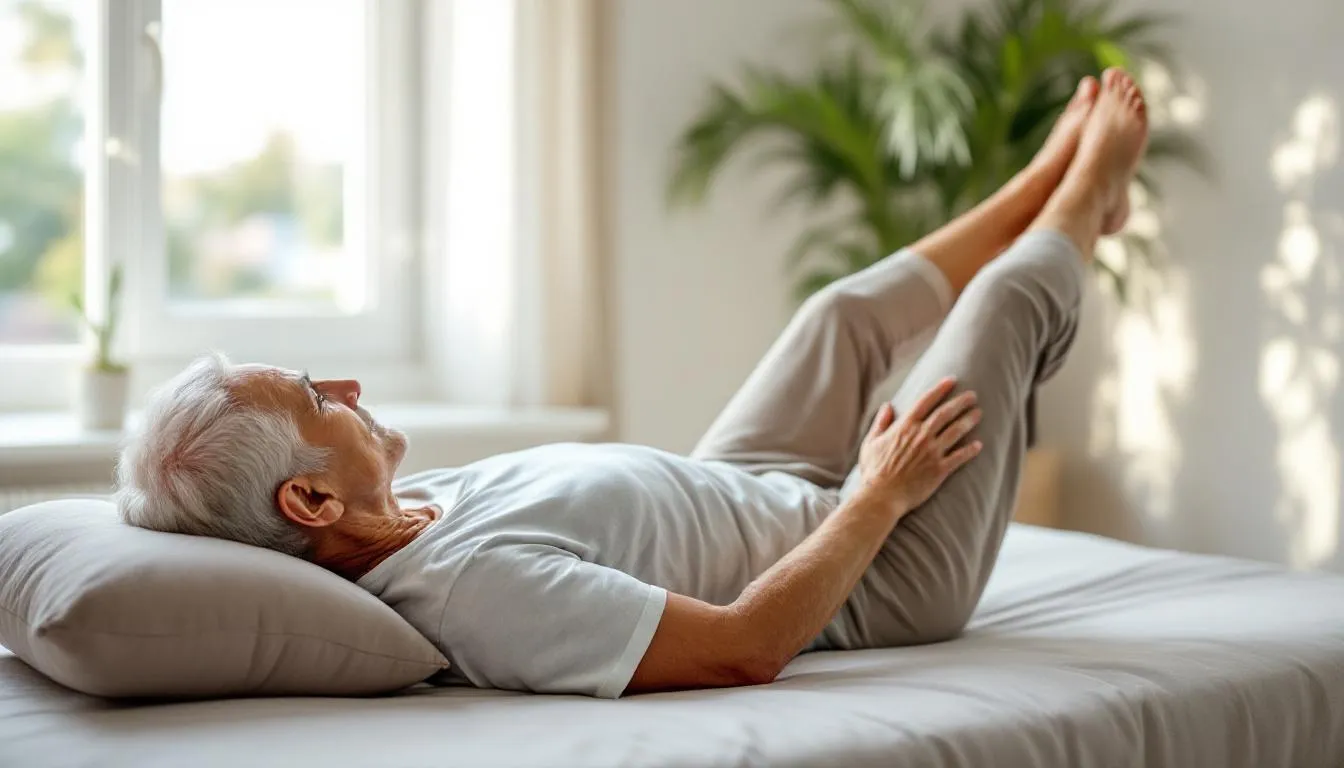
The foundation of an effective bed pilates practice lies in mastering fundamental movements that can be safely and effectively performed on a mattress surface. These exercises are carefully selected for their adaptability to bed surfaces while maintaining the core principles of pilates practice. Exercises such as leg lifts can be adapted for bed pilates, but it is important to focus on proper form and stability, especially when working on a soft surface.
Morning Energizing Exercises
Starting your day with gentle movement helps activate your body’s systems and prepare you for the day ahead. These morning exercises focus on spinal mobility, core activation, and circulation enhancement.
Spine Twist Supine
Begin lying on your back with knees bent and feet flat on the bed, arms extended straight to the sides with palms facing down. This exercise promotes spinal mobility while gently engaging the core muscles. Keeping your shoulders pressed into the bed, slowly lower both knees to the right side, maintaining control throughout the movement. Hold for a breath, then return to center and repeat to the left. Complete 5-8 repetitions in each direction, focusing on the rotation coming from your spine rather than just dropping your legs to the side.
The key to this exercise is maintaining proper alignment of the shoulders while allowing the spine to rotate. Breathe in as you lower the knees to one side, exhale as you return to center. This gentle twisting motion helps to mobilize the spine after a night of sleep and can be particularly beneficial for reducing morning stiffness.
Pelvic Curl (Bridge)
Lying with knees bent and feet flat on the bed, arms at your sides, this fundamental exercise activates the glutes and deep core muscles while promoting spinal articulation. Begin by gently engaging your pelvic floor muscles and drawing your belly button toward your spine. Slowly lift your pelvis off the bed, rolling up vertebra by vertebra until you create a straight line from your knees to your shoulders.
Focus on maintaining a neutral spine position throughout the movement, avoiding excessive arching of the back. Hold the bridge position for 3-5 seconds while breathing deeply, then slowly lower back down, articulating through each vertebra. Complete 3-5 repetitions, emphasizing control and smooth movement quality over speed.
Single Leg Circles
This exercise challenges core stability while improving hip mobility. Lying on your back with one leg extended straight and the other knee bent with foot flat on the bed, extend the straight leg toward the ceiling. If flexibility is limited, you can slightly bend the raised leg or use a towel for assistance.
With the leg straight up, draw small circles in the air, keeping the movement controlled and originating from the hip joint rather than the knee or ankle. Complete 5 circles in one direction, then reverse for 5 circles in the other direction before switching legs. The supporting core muscles must work continuously to maintain stability while the leg moves, making this an excellent exercise for challenging body awareness and coordination.
Knee Folds
Begin in the same position as the pelvic curl, with knees bent and feet flat. This exercise gently activates the deep abdominal muscles while challenging coordination and control. Maintaining neutral spine alignment, slowly lift one knee toward your chest, bringing the hip to approximately 90 degrees. The key is to initiate the movement from the deep core muscles rather than using momentum or the hip flexors alone.
Lower the foot back to the starting position with control, then repeat with the other leg. Complete 8-10 repetitions, alternating legs and focusing on maintaining stable pelvis and spine throughout the movement. This exercise is excellent for building core strength while improving the mind-body connection essential to pilates practice.
Evening Relaxation Exercises
Evening routines focus on releasing tension accumulated throughout the day while preparing the nervous system for restful sleep. These exercises emphasize gentle stretching, breathing techniques, and relaxation.
Double Leg Stretch Modification
This modified version of the classical pilates exercise provides gentle core work while accommodating the bed surface. Lying on your back with both knees drawn toward your chest, place your hands gently on your shins or behind your thighs. The modification involves keeping the head down on the pillow to protect the neck and avoid strain.
Slowly extend both legs out to a comfortable angle while simultaneously reaching your arms overhead. The legs don’t need to be fully straight – work within your range of motion. Return to the starting position by drawing the knees back to the chest while bringing the arms back to the sides. Complete 5-8 repetitions, coordinating the movement with breath: inhale as you extend, exhale as you return to center.
Hip Opening Exercise (Frog Position)
This restorative stretch helps release tension in the hip area while promoting relaxation. Lying on your back, bring the soles of your feet together and allow your knees to fall open to the sides, creating a diamond shape with your legs. The bed surface provides comfortable support for this position, allowing you to hold the stretch for an extended period.
Place your hands on your belly or at your sides, focusing on breathing deeply into your abdomen. Hold this position for 30-60 seconds, allowing gravity and time to gently deepen the stretch. This hip opening exercise is particularly beneficial for individuals who spend long hours sitting, as it helps counteract the tightness that develops in the hip flexors and inner thigh muscles.
Tendon Stretch with Towel
Using a towel or bed sheet as a prop, this exercise provides a gentle stretch for the hamstrings and calves while maintaining comfort and control. Lying on your back, loop a towel around the ball of one foot while keeping that leg straight and extended toward the ceiling. The other leg can remain bent with foot flat or extended straight on the bed, depending on comfort.
Gently pull on the towel to deepen the stretch in the back of the leg, holding for 30 seconds before releasing. Complete 3 sets on each leg, focusing on breathing deeply and allowing the muscle to gradually release tension. This stretch is particularly valuable for individuals who experience tightness in the legs and can help improve circulation while promoting relaxation.
Cat Cow Stretch Adaptation
Modified for the bed surface, this exercise can be performed sitting cross-legged or kneeling, depending on mattress firmness and personal comfort. The movement focuses on spinal flexion and extension while promoting relaxation and body awareness.
Sitting comfortably, place your hands on your knees or thighs. Begin by arching your back gently, lifting your chest and looking slightly upward (cow position). Then round your spine, tucking your chin toward your chest and drawing your belly button inward (cat position). Move slowly between these positions, coordinating with breath: inhale in cow, exhale in cat. Complete 5-8 cycles, focusing on the gentle wave-like motion of the spine.
Child’s Pose
Child’s Pose is a gentle, restorative stretch that helps release tension in the spine and hips, making it ideal for promoting relaxation and preparing the body for sleep. Begin by kneeling on the bed with your big toes touching and knees spread apart. Sit back onto your heels and slowly lower your torso forward, reaching your arms out in front of you or resting them by your sides. Allow your forehead to rest on the mattress and let your body relax deeply into the pose. Hold for 30-60 seconds, breathing slowly and allowing any remaining tension to melt away.
Breathing Techniques for Sleep Preparation
Conclude your evening routine with intentional breathing exercises designed to activate the parasympathetic nervous system and promote relaxation. One effective technique involves the 4-7-8 breathing pattern: inhale for 4 counts, hold for 7 counts, and exhale for 8 counts. This pattern naturally slows the heart rate and signals to the body that it’s time to rest.
Alternatively, practice simple deep breathing while focusing on expanding the ribcage and filling the lungs completely. Place one hand on your chest and one on your belly, ensuring that the belly hand moves more than the chest hand. Continue for 3-5 breath cycles, allowing each exhale to release tension and prepare for sleep.

Getting Started: 7-Day Bed Pilates Challenge
Embarking on a structured bed pilates challenge provides an excellent framework for establishing a consistent practice while progressively building strength, flexibility, and body awareness. This seven-day program is designed to introduce fundamental concepts while allowing your body to adapt to the unique demands of exercising on a bed surface.
Day 1: Spinal Warm-Up and Core Activation (10-15 minutes)
Begin your bed pilates journey with gentle spinal mobility and basic core activation exercises. Start with the spine twist supine to gently wake up your spinal joints, followed by knee folds to activate deep core muscles. Include the pelvic curl to engage glutes and practice spinal articulation, and conclude with simple breathing exercises to establish the mind-body connection essential to pilates practice.
Focus on learning proper alignment and breathing patterns rather than achieving perfect form. The goal is to familiarize yourself with how these exercises feel on your particular mattress surface and begin developing body awareness. Spend extra time on any movement that feels unfamiliar or challenging, as building a strong foundation will support your progress throughout the week.
Day 2: Core Strength and Stability Focus
Building on the foundation established in Day 1, introduce more challenging core exercises that utilize the instability of the bed surface. Begin with the modified double leg stretch, emphasizing control and coordination. Progress to single leg circles, which challenge stability while improving hip mobility, and add variations of the knee folds that include holding positions for longer periods.
Pay particular attention to maintaining proper body alignment throughout each exercise. The unstable surface will naturally challenge your stabilizing muscles, but this should result in increased core engagement rather than compensation patterns. If you find yourself struggling to maintain form, reduce the range of motion or hold times rather than compromising alignment.
Day 3: Flexibility and Mobility Enhancement
Dedicate this day to improving range of motion and releasing tension throughout the body. Focus on the hip opening exercise, allowing time for deeper stretches and relaxation. Include the tendon stretch with towel for leg flexibility, and add gentle spinal rotation exercises to maintain mobility in the vertebral joints.
This day serves as an active recovery session, allowing your body to process the new movement patterns introduced in the previous days while working on areas that may have become tight or restricted. Use this opportunity to assess how your body is responding to the bed pilates practice and make any necessary adjustments to exercise intensity or duration.
Day 4: Core and Hip Strengthening
Return to strength-focused exercises with an emphasis on the hip region and deeper core muscles. Combine pelvic curls with single leg variations, where you lift one foot slightly off the bed while maintaining the bridge position. This progression challenges stability and coordination while strengthening the glutes and core simultaneously.
Introduce side-lying exercises if your mattress provides sufficient support, or modify traditional side-lying movements to work in sitting positions. Focus on exercises that target the lateral core muscles and hip stabilizers, which are often underutilized in daily activities but crucial for overall stability and function.
Day 5: Relaxation and Recovery Techniques
Mid-week recovery focuses on gentle movement and stress reduction techniques. Emphasize breathing exercises and gentle stretches that promote relaxation rather than challenging strength or flexibility limits. This day is particularly important for allowing your nervous system to process the new movement patterns and adapt to the increased activity.
Include longer holds in stretching positions and incorporate mindfulness techniques that connect breath with movement. Practice the cat cow stretch adaptation and spend extra time with restorative positions that feel particularly good for your body. This recovery day helps ensure that you can complete the challenge without overexertion or fatigue.
Day 6: Full-Body Engagement
Combine elements from previous days into flowing sequences that engage multiple muscle groups simultaneously. Create smooth transitions between exercises, linking movements with breath to develop the flowing quality characteristic of pilates practice. This integration day helps solidify the movement patterns you’ve been learning while improving coordination and body awareness.
Focus on maintaining proper alignment and control as you move between exercises. The bed surface provides unique challenges for transitions, so take time to find stable positions and smooth movement pathways. This day prepares you for creating your own practice routines after completing the challenge.
Day 7: Flow and Flexibility Combination
Conclude the challenge with a comprehensive session that combines gentle strengthening with extensive flexibility work. Create a flowing routine that moves from energizing exercises to relaxing stretches, practicing the transition from active engagement to peaceful relaxation that makes bed pilates so versatile.
Use this final day to assess your progress and identify which exercises feel most beneficial for your individual needs. Notice improvements in strength, flexibility, or sleep quality that have developed over the week. This reflection helps you design a sustainable long-term practice that addresses your specific wellness goals.
Throughout the challenge, maintain daily sessions of 10-15 minutes, focusing on quality of movement over quantity of repetitions. Listen to your body’s responses and adjust intensity as needed, remembering that consistency trumps intensity when building a sustainable practice.
Safety Considerations and Proper Form
The unique characteristics of bed surfaces require specific attention to safety and form considerations that differ from traditional pilates practice. Understanding these factors ensures that your bed pilates practice remains both effective and safe throughout your wellness journey. It is especially important to maintain proper support and control during exercises such as leg lifts to ensure stability and safety when working on a soft mattress.
Mattress Firmness and Support Requirements
The firmness of your mattress significantly impacts both the safety and effectiveness of bed pilates exercises. Firmer mattresses provide better support for maintaining proper alignment and executing controlled movements, while overly soft mattresses may compromise stability and increase the risk of strain or injury.
Medium-firm to firm mattresses typically offer the best balance of support and comfort for pilates practice. These surfaces provide enough stability for controlled movement while still offering the slight instability that challenges stabilizing muscles. If your mattress is very soft, consider practicing on the floor with a mat for exercises requiring significant stability, reserving gentler stretches and relaxation exercises for the bed.
Memory foam mattresses present unique considerations, as they may provide good support but can create delayed responsiveness that affects balance and control. When practicing on memory foam, move more slowly and focus on maintaining positions longer to accommodate the surface’s characteristics.
Proper Alignment Principles
Maintaining proper body alignment becomes more challenging on unstable surfaces, making it crucial to understand and practice correct positioning principles. Neutral spine alignment serves as the foundation for all bed pilates exercises, requiring awareness of the natural curves of the spine and avoiding excessive flattening or arching.
When lying on your back, your spine should maintain its natural S-curve, with a small space between your lower back and the bed surface. Avoid pressing your lower back completely into the bed or allowing excessive arching. Your pelvis should remain in a neutral position, neither tilted forward nor tucked under excessively.
For seated or kneeling exercises, maintain length through the top of your head while keeping shoulders relaxed and away from the ears. Engage core muscles gently but consistently to support spinal alignment, using the breath to help maintain stability and control throughout movements.
Breathing Techniques and Movement Control
Proper breathing serves multiple functions in bed pilates: it helps maintain core stability, promotes relaxation, and ensures adequate oxygen delivery to working muscles. The unstable surface of the bed makes coordinated breathing even more important, as it helps maintain rhythm and control during challenging positions.
Practice lateral breathing, expanding the ribcage to the sides and back rather than just lifting the chest. This technique maintains core engagement while allowing for full respiratory exchange. Exhale during the effort phase of movements and inhale during the relaxation or preparation phases, using the breath to help initiate and control movement.
Avoid holding your breath during challenging exercises, as this creates unnecessary tension and reduces stability. If you find yourself holding your breath, reduce the intensity or complexity of the exercise until you can maintain steady, controlled breathing throughout the movement.
Modification Guidelines and Alternatives
Recognizing when and how to modify exercises ensures that your practice remains safe and beneficial regardless of physical limitations or mattress characteristics. If an exercise causes pain or significant discomfort, stop immediately and consider gentler alternatives or consult with a healthcare provider.
For exercises that feel unstable or difficult to control on your bed surface, try reducing the range of motion, slowing down the movement, or using props for additional support. Pillows can provide support for the head and neck during certain positions, while towels can assist with stretches or provide slight resistance for strengthening exercises.
When balance becomes challenging, keep one or both feet on the bed surface for additional stability. For example, if single leg circles are too difficult with the leg extended, bend the knee and work with smaller, controlled movements until strength and coordination improve.
Warning Signs and Medical Considerations
Certain symptoms indicate that you should stop exercising and potentially consult with a healthcare provider. Sharp pain, dizziness, significant shortness of breath, or any symptoms that worsen during or after exercise warrant immediate attention.
Individuals with specific medical conditions should obtain medical clearance before beginning any new exercise program, including bed pilates. This is particularly important for those with spinal injuries, recent surgeries, pregnancy, or chronic conditions that affect balance or coordination.
If you experience persistent discomfort in joints or muscles after practicing bed pilates, consider whether your mattress provides adequate support or if modifications to your technique are needed. Working with a qualified pilates instructor, even for a few sessions, can help ensure proper form and safe progression.
Who Can Benefit from Bed Pilates
The accessibility and adaptability of bed pilates make it suitable for a remarkably diverse range of individuals, each finding unique benefits that address their specific health and wellness needs. Understanding who can benefit most from this practice helps identify whether bed pilates aligns with your personal health goals and circumstances.
Individuals in Recovery and Rehabilitation
Bed pilates provides exceptional value for individuals recovering from illness, surgery, or injury who need gentle movement that doesn’t require getting up and down from the floor. The soft surface offers comfortable support while still allowing for meaningful exercise that can help maintain muscle tone, improve circulation, and prevent the deconditioning that often accompanies periods of reduced activity.
Physical therapists often recommend bed-based exercises during recovery periods, and bed pilates offers a structured approach to rehabilitation that can be safely performed independently. The controlled movements help restore range of motion gradually while building strength in supporting muscles, making it particularly valuable for those recovering from orthopedic procedures or managing conditions like arthritis.
The gentle nature of bed pilates also makes it suitable for individuals dealing with chronic pain conditions who may find traditional exercise too aggressive or uncomfortable. The ability to modify exercises easily and work within personal comfort zones allows for consistent practice even when pain levels fluctuate.
Seniors and Aging Adults
Older adults represent one of the populations that can benefit most significantly from bed pilates practice. The accessibility factor eliminates common barriers that prevent seniors from maintaining regular exercise routines, such as balance concerns with getting up and down from the floor or joint discomfort from hard surfaces.
Research shows that balance and functional mobility can improve by 14-25% in older adults through pilates training, and bed-based practice offers these benefits with reduced fall risk. The focus on core strength, flexibility, and body awareness directly addresses many of the physical challenges associated with aging, helping maintain independence and quality of life.
Many seniors also appreciate the convenience of being able to exercise without leaving their bedroom, particularly during times when weather, transportation, or health concerns might otherwise prevent them from maintaining their fitness routine. The gentle nature of the exercises makes them sustainable for long-term practice, encouraging consistency that leads to meaningful health improvements.
Busy Professionals and Time-Constrained Individuals
Modern lifestyles often leave little time for elaborate exercise routines, making the convenience of bed pilates particularly appealing to busy professionals and parents. The ability to practice immediately upon waking or as part of a bedtime routine eliminates the time barriers that often prevent consistent exercise habits.
The efficiency of bed pilates – meaningful benefits can be achieved in just 10-15 minutes – makes it realistic for individuals with demanding schedules to maintain regular physical exercise. This consistency often leads to better results than sporadic longer workouts, as the body responds well to frequent gentle stimulation.
For individuals who travel frequently, bed pilates offers a portable fitness solution that can be practiced in any bedroom without requiring special equipment or space. This consistency helps maintain physical fitness and stress management routines even during periods of schedule disruption.
Sleep Quality and Stress Management Needs
Individuals struggling with sleep quality issues or high stress levels often find bed pilates particularly beneficial due to its dual impact on physical fitness and nervous system regulation. The gentle movements and controlled breathing help activate the parasympathetic nervous system, promoting the relaxation response necessary for quality sleep.
The practice of mindful movement before bed serves as a transition ritual that helps separate the day’s stresses from sleep time. This mental and physical preparation for rest often results in improved sleep onset and quality, creating a positive cycle where better sleep supports daytime energy and stress management.
Healthcare providers increasingly recognize the connection between movement, stress reduction, and sleep quality, making bed pilates an excellent complement to other stress management and sleep hygiene practices.
Beginners and Exercise-Intimidated Individuals
The privacy and low-pressure environment of practicing in one’s own bed makes bed pilates particularly appealing to individuals who feel intimidated by gym environments or group fitness classes. This privacy allows for learning and experimentation without self-consciousness, often building confidence that later translates to other forms of physical activity.
The gentle nature of bed pilates provides an excellent introduction to the principles of pilates practice without the complexity or intensity that might overwhelm newcomers to exercise. Beginners can focus on learning basic movement patterns and building body awareness before progressing to more challenging variations or different exercise environments.
Specific Medical Conditions
Several medical conditions benefit particularly well from the gentle, controlled movement that bed pilates provides. Individuals with fibromyalgia often find that gentle movement helps reduce pain and stiffness without triggering flare-ups. The controlled nature of pilates movements allows for careful management of exertion levels.
People with chronic fatigue syndrome may find bed pilates more accessible than traditional exercise, as it can be performed without the energy expenditure required for getting dressed and going to a gym. The ability to practice lying down conserves energy while still providing movement benefits.
Pregnant women, particularly in later stages of pregnancy, often appreciate the comfort and safety of bed-based exercise. The soft surface and ability to easily modify positions make it possible to maintain fitness throughout pregnancy with reduced risk of falls or overexertion.
Maximizing Results and Long-Term Success
Achieving lasting benefits from bed pilates requires strategic planning, consistent practice, and an understanding of how to progress and adapt your routine over time. Success in bed pilates isn’t measured solely by physical achievements but encompasses improvements in sleep quality, stress management, body awareness, and overall quality of life.
Establishing Optimal Practice Frequency
The key to maximizing results from bed pilates lies in finding the right balance between consistency and sustainability. Research consistently shows that frequent, shorter exercise sessions often produce better results than infrequent, longer workouts, particularly for practices focused on movement quality and nervous system regulation.
Daily 10-15 minute sessions typically provide optimal benefits for most practitioners, allowing for regular nervous system stimulation and movement pattern reinforcement without creating fatigue or time barriers. This frequency enables the body to adapt gradually to new movement patterns while maintaining the stress-reduction and sleep-enhancement benefits that make bed pilates particularly valuable.
For individuals with limited time, even 5-minute daily sessions can provide meaningful benefits when performed consistently. The key is establishing a routine that can be maintained long-term rather than attempting ambitious schedules that become unsustainable. Consistency trumps intensity in developing lasting wellness habits.
Some practitioners benefit from varying their approach throughout the week, with shorter daily sessions supplemented by one or two longer 20-30 minute sessions that allow for more comprehensive routines. This variation prevents boredom while ensuring adequate time for both strength-building and flexibility work.
Progressive Modification and Advancement
As your body adapts to bed pilates practice, progressive modifications ensure continued challenge and improvement. Unlike traditional strength training that relies primarily on increasing weights or repetitions, bed pilates progression focuses on improving movement quality, increasing range of motion, and enhancing coordination and control.
Begin by mastering basic exercises with perfect form before adding complexity or duration. For example, start with stationary pelvic curls before progressing to single-leg variations or adding arm movements. This progressive approach builds a solid foundation of movement patterns and body awareness that supports more advanced work.
Range of motion progression offers another avenue for advancement. As flexibility improves, exercises can be performed with greater range of motion, increasing both the strengthening and stretching benefits. The single leg circles, for instance, can progress from small, controlled movements to larger circles as hip mobility and core stability improve.
Timing modifications provide yet another progression strategy. Holding positions longer increases the endurance challenge, while performing movements more slowly enhances control and precision. Advanced practitioners might combine multiple exercises into flowing sequences that challenge coordination and stamina.
Integration with Comprehensive Wellness Practices
Bed pilates achieves maximum effectiveness when integrated into a broader wellness approach that addresses sleep hygiene, stress management, and overall lifestyle factors. The practice naturally supports other healthy habits, creating synergistic effects that amplify individual benefits.
Combining bed pilates with consistent sleep schedules, bedroom environment optimization, and relaxation techniques creates a comprehensive approach to sleep improvement. The physical movement prepares the body for rest, while the mindfulness aspects help quiet mental activity that often interferes with sleep quality.
Nutrition timing can also enhance bed pilates benefits. Practicing gentle movements before breakfast may help with digestion and energy regulation throughout the day, while evening sessions can be enhanced by avoiding large meals or caffeine close to bedtime.
Stress management integration involves using bed pilates as part of a broader toolkit for managing daily stress. The controlled breathing and mindful movement provide immediate stress relief, while regular practice builds resilience to stress over time. Combining bed pilates with other stress-reduction techniques like meditation or journaling creates a comprehensive approach to mental wellness.
Tracking Progress and Maintaining Motivation
Documenting your bed pilates journey helps maintain motivation and provides valuable feedback about what works best for your individual needs. Unlike traditional fitness tracking that focuses on metrics like weight lifted or distance covered, bed pilates progress tracking emphasizes subjective improvements in sleep quality, pain levels, flexibility, and overall well-being.
Sleep quality metrics provide some of the most meaningful feedback for bed pilates practitioners. Tracking factors like sleep onset time, number of nighttime awakenings, morning stiffness levels, and energy levels throughout the day can reveal patterns and improvements that correlate with practice consistency.
Flexibility assessments can be performed monthly using simple measurements like how close you can bring your knees to your chest or how far you can reach in various stretches. These objective measures complement subjective feelings of increased ease and range of motion.
Stress and mood tracking help identify the mental health benefits of consistent practice. Many practitioners notice improvements in stress management, mood stability, and overall sense of well-being that become apparent when tracked over time.
Transitioning to Advanced Practice
As comfort and competence with bed pilates develop, many practitioners become interested in exploring more advanced pilates practices. The foundation built through bed pilates provides excellent preparation for traditional mat pilates or studio-based classes, as the basic movement principles and body awareness carry over directly.
The transition to firmer surfaces typically feels natural after developing stability and control on the unstable bed surface. Many practitioners find that their balance and core strength have improved significantly through bed practice, making traditional pilates exercises more accessible and enjoyable.
Some individuals choose to maintain bed pilates as their primary practice while occasionally supplementing with other forms of movement. This approach honors the accessibility and convenience benefits that initially drew them to bed pilates while allowing for variety and additional challenges.
Others use bed pilates as a foundation for expanding into other movement practices like yoga, tai chi, or traditional fitness routines. The body awareness, breathing skills, and movement quality developed through bed pilates support learning in many other physical activities.
Creating Sustainable Long-Term Habits
The ultimate goal of bed pilates practice is creating sustainable habits that support long-term health and well-being. This sustainability requires balancing ambition with realism, ensuring that your practice remains enjoyable and accessible even during challenging life periods.
Building flexibility into your routine prevents perfectionism from derailing consistency. Having short and long routine options allows you to maintain practice even when time is limited, while accepting that some days will be better than others prevents all-or-nothing thinking that often leads to abandoning healthy habits.
Seasonal adjustments keep practice relevant and engaging throughout the year. Summer routines might emphasize energizing morning movements, while winter practice could focus more heavily on warming and circulation-enhancing exercises. These adaptations maintain interest and address changing physical needs.
Community connection, whether through online groups, local classes, or sharing with family and friends, provides support and accountability that enhances long-term success. Many practitioners find that sharing their experiences and learning from others enriches their practice and maintains motivation during challenging periods.
The integration of bed pilates into your daily life should feel natural and supportive rather than burdensome or demanding. When practice becomes a cherished part of your routine that you look forward to rather than something you force yourself to do, you’ve achieved the sustainable approach that leads to lasting wellness benefits.
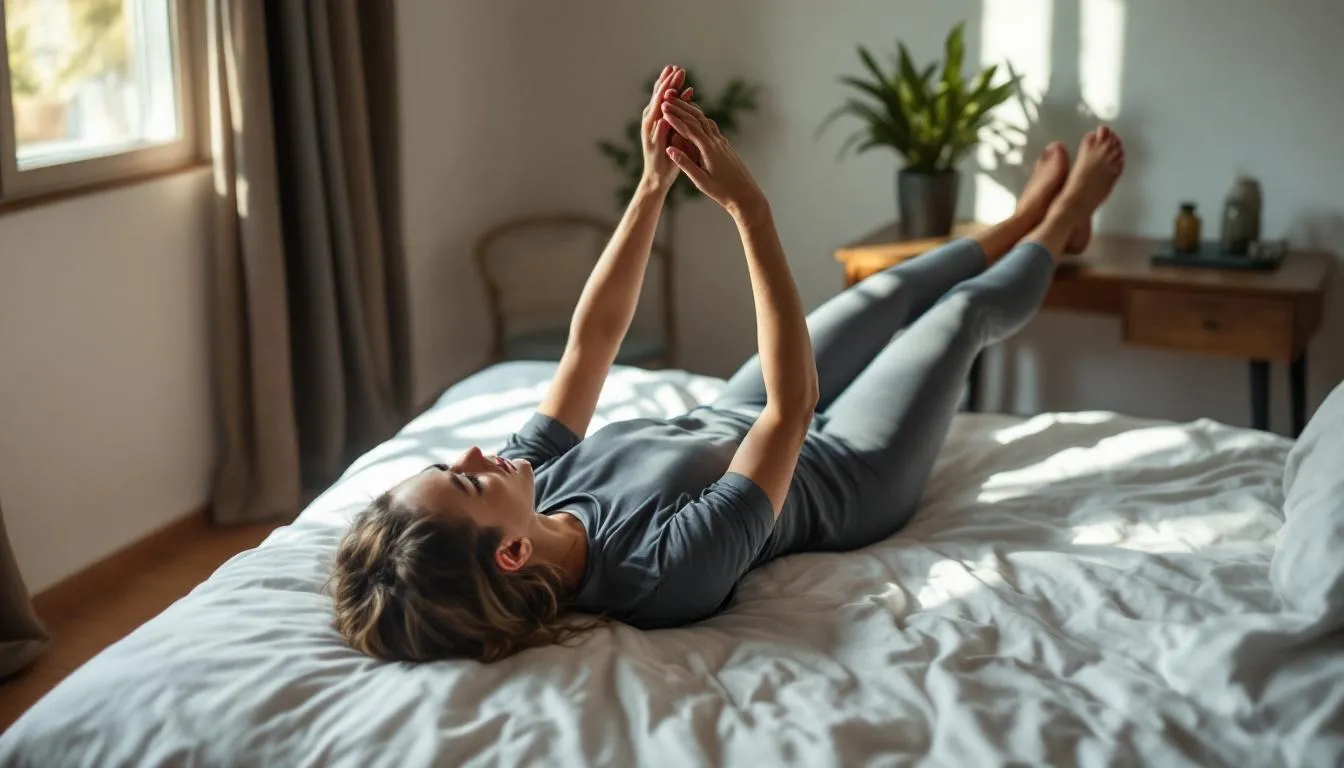
Pilates in bed represents a revolutionary approach to accessible fitness that transforms your bedroom into a personal wellness sanctuary. By combining the time-tested principles of Joseph Pilates with the convenience and comfort of your own bed, this practice offers a sustainable path to improved core strength, enhanced flexibility, better sleep quality, and reduced stress levels.
The beauty of bed pilates lies not only in its accessibility but in its adaptability to virtually any lifestyle or physical limitation. Whether you’re a busy professional seeking efficient morning energy, a senior looking for safe and gentle exercise, or someone recovering from injury who needs therapeutic movement, bed pilates provides a foundation for lasting wellness habits that can grow and evolve with your changing needs.
As you embark on your bed pilates journey, remember that consistency matters more than perfection, and even small daily investments in mindful movement can yield significant improvements in your overall quality of life. Start with the seven-day challenge, focus on proper alignment and breathing techniques, and gradually build a practice that serves your individual wellness goals.
The integration of gentle physical exercise with stress reduction and sleep enhancement makes bed pilates a truly holistic approach to health that addresses both body and mind. By making this practice a regular part of your daily routine, you’re investing in not just physical fitness, but in better sleep, improved stress management, and enhanced body awareness that will serve you well throughout your life.
Begin tonight or tomorrow morning with just five minutes of gentle movement, and discover how pilates in bed can transform your relationship with exercise, sleep, and daily well-being.