
Joseph Pilates developed his revolutionary pilates method in the early 20th century, but it’s only recently that scientific research has caught up to validate what practitioners have known for decades. Today’s evidence reveals that pilates is remarkably effective across multiple health markers, delivering measurable improvements in core strength, pain relief, mental health, and overall physical function.
Pilates delivers a wide range of physical benefits, including improvements in strength, flexibility, posture, and overall health for people of all fitness levels.
Whether you’re considering starting pilates for the first time or evaluating its place in your current fitness routine, understanding the research-backed benefits can help you make an informed decision. This comprehensive analysis examines how effective pilates truly is, based on peer-reviewed studies, clinical trials, and real-world applications across diverse populations.
Introduction to Pilates
Pilates is a unique form of exercise and body conditioning created by Joseph Pilates in the early 20th century. The pilates method is built around a series of precise pilates exercises that emphasize controlled breathing, mindful movement, and deep core engagement. Unlike many traditional fitness routines, pilates focuses on developing body awareness and improving muscle tone through low-impact, highly effective movements.
Whether performed as mat exercises or using specialized pilates equipment like the reformer, pilates strengthens the core muscles, enhances flexibility, and supports overall physical health. The method’s attention to alignment and controlled motion helps practitioners build a strong foundation for movement, making it an ideal choice for anyone seeking to improve their fitness level, posture, and body composition.
Pilates is more than just a workout—it’s a holistic approach to body conditioning that encourages mindful movement and a deeper connection between mind and body. By prioritizing quality of movement and breath control, pilates helps individuals develop lasting core strength, reduce stress, and achieve greater overall wellbeing.
Pilates Effectiveness: Research-Backed Results
Scientific research consistently demonstrates that pilates shows significant effectiveness across multiple health markers. A comprehensive meta-analysis from 2018 confirmed substantial benefits for depression and anxiety symptoms, with participants experiencing measurable mood improvements after just 8-12 weeks of regular pilates practice.
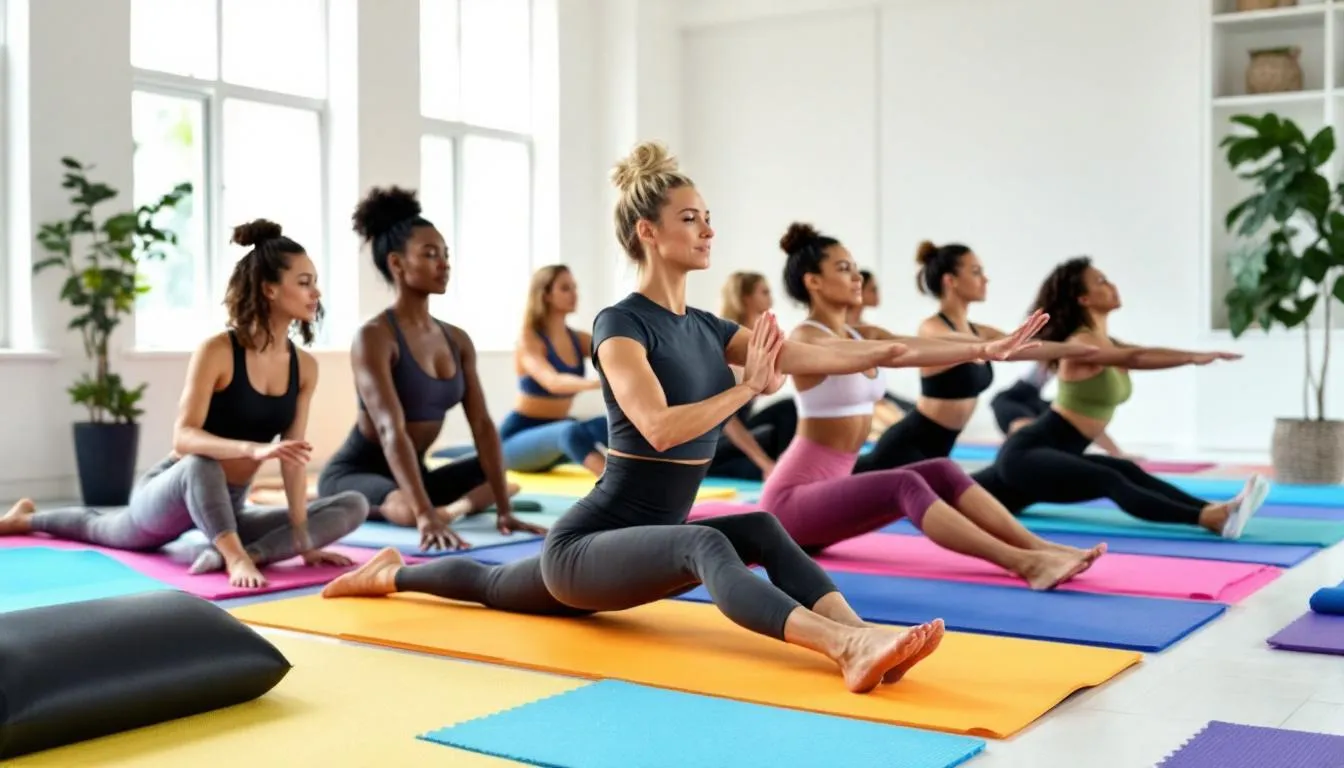
Recent studies continue to reveal impressive results. A 2024 randomized clinical trial showed significant flexibility gains after just one pilates session, demonstrating both immediate and cumulative benefits. Research also indicates that low-intensity exercises like pilates can increase energy levels by approximately 20%, making it an excellent choice for those seeking sustainable fitness improvements.
Body composition changes are equally impressive. Studies consistently show reduced body fat percentage and body mass index improvements in regular practitioners. Pilates can also support weight management as part of a comprehensive fitness plan. A particularly noteworthy finding involves programs that improve sexual function and reduce stress urinary incontinence in women who completed structured pilates exercise programs.
The pilates training program effectiveness extends beyond these immediate benefits. Long-term practitioners demonstrate enhanced muscle endurance, improved posture, and better overall physical health compared to sedentary controls.
Pilates also offers other benefits beyond physical health, such as improved breathing, relaxation, and cognitive function.
Core Strength and Stability Effectiveness
Pilates focuses intensively on the body’s powerhouse – the core musculature that includes the rectus abdominis, diaphragm, rotators, multifidus, and quadratus lumborum. This form of exercise specifically targets these deep stabilizing muscles that act as a natural brace for internal organs while supporting spinal integrity.
The pilates method strengthens muscles that traditional exercise routines often neglect. Unlike conventional strength training that primarily works superficial muscle groups, pilates exercises engage the deep core muscles responsible for postural stability and functional movement patterns. Pilates can also contribute to building muscle and maintaining muscle mass, particularly supporting functional strength, though it may not be as effective as traditional strength training for muscle hypertrophy.
Regular pilates practice improves balance, stability, and endurance through powerhouse muscle engagement. This enhanced core strengthening translates directly into better explosive movement capacity and improved body control during daily activities. The pelvic floor muscles, often overlooked in conventional fitness programs, receive particular attention in pilates based exercises.
Studies demonstrate that participants in a pilates training program show measurable improvements in core strength within 6-8 weeks. These strength gains support better spinal alignment and reduce the risk of lower back injuries during both exercise and everyday movements.
The deep core activation achieved through pilates strengthens the entire kinetic chain, creating a stable foundation for all movement patterns. This comprehensive core conditioning approach sets pilates apart from other forms of resistance training.
Pain Relief and Rehabilitation Effectiveness
Pilates effectively reduces lower back pain through targeted deep abdominal and pelvic floor strengthening. Physical therapists frequently incorporate the pilates exercise program into rehabilitation protocols because of its proven ability to address pain at its source rather than merely managing symptoms.
The mind body connection emphasized in pilates training helps practitioners develop better body awareness, enabling them to identify and correct movement patterns that contribute to chronic pain. This approach proves particularly effective for tech neck, tight hips, and injury-related discomfort.
Clinical settings commonly prescribe pilates for mobility improvement in patients recovering from various musculoskeletal injuries. Pilates is also effective for increasing joint mobility, which supports injury recovery and enhances overall movement. The controlled breathing and precise movement patterns characteristic of pilates moves help re-educate the nervous system while strengthening supporting musculature.
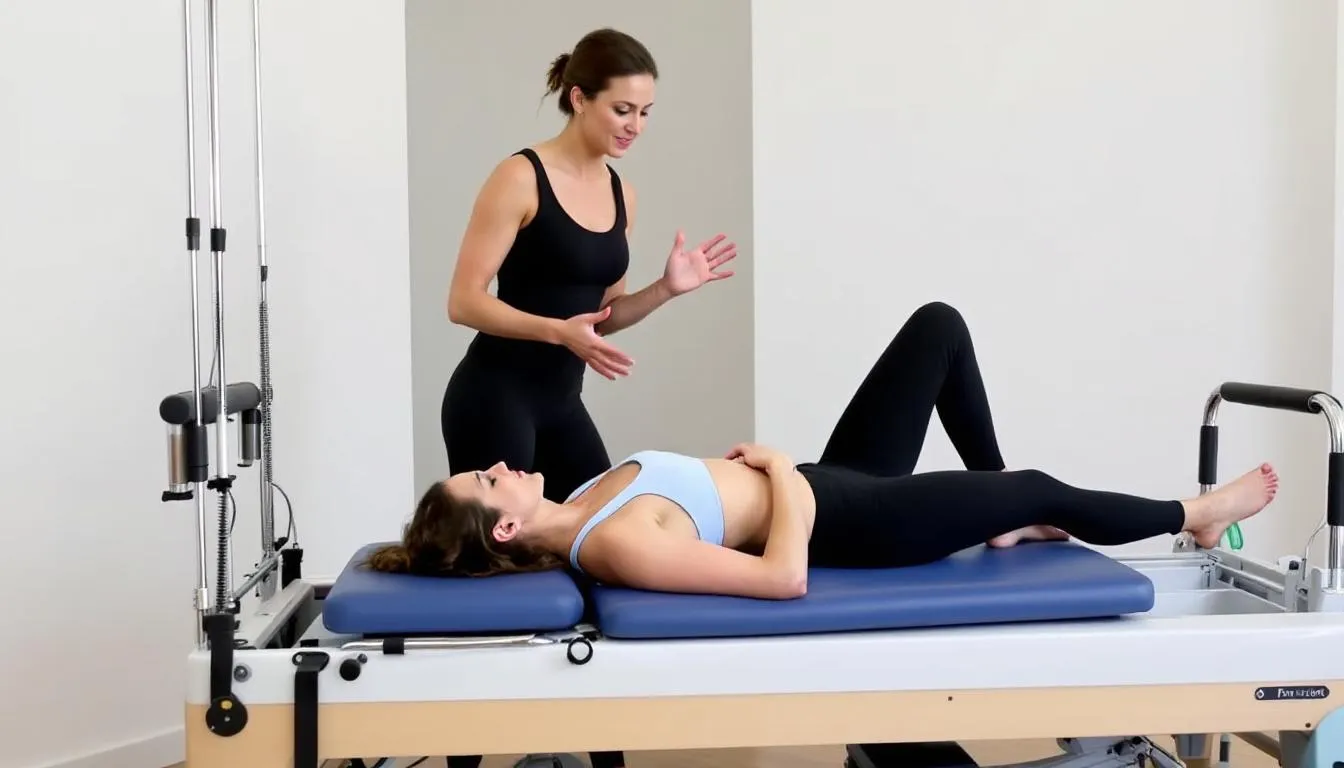
Research shows that practicing pilates significantly reduces dysmenorrhea (menstrual pain) in regular practitioners. The combination of strengthening and restorative movements provides comprehensive pain management that addresses both physical and psychological aspects of chronic discomfort.
Unlike traditional pain management approaches that often rely on medication or passive treatments, pilates empowers individuals to actively participate in their recovery through mindful movement and progressive strengthening.
Posture and Movement Quality Improvements
The pilates exercise routine dramatically improves spinal and hip mobility, supporting functional daily movements that many people struggle with due to sedentary lifestyles. Regular pilates practice promotes full body alignment, improving posture and supporting optimal joint range of motion across multiple planes of movement.
Pilates addresses muscle imbalances by balancing opposing muscle groups while strengthening neglected postural muscles. This comprehensive approach to improve posture goes beyond simply telling someone to “stand up straight” – it actually builds the strength and mobility necessary to maintain proper alignment effortlessly.
Increased body awareness and proprioception represent significant benefits of regular pilates training. Practitioners develop a heightened sense of their body’s position in space, leading to better movement patterns and reduced injury risk in daily activities and sports performance.
The appearance of increased height through improved postural alignment is a commonly reported benefit. As the spine lengthens and shoulders find their optimal position, many practitioners notice they look taller and more confident in their posture.
Pilates moves emphasize quality over quantity, teaching precise movement patterns that transfer directly to improved functional movement in daily life. This focus on movement quality distinguishes pilates from other exercise routines that may prioritize intensity over proper form.
Mental Health and Cognitive Benefits
The mental benefits of pilates extend far beyond physical improvements. Regular pilates practice down-regulates the nervous system through focused breathing and mindful movement, creating a meditative quality that reduces overall stress levels.
Research demonstrates that pilates reduces cortisol levels and shifts the body out of chronic fight-or-flight mode. This physiological change supports better stress management and improved emotional regulation in daily life.
Stress and Mood Effectiveness
Pilates triggers endorphin release, naturally reducing anxiety and depressive symptoms without pharmaceutical intervention. The combination of physical movement and mental focus creates a powerful tool for managing stress and improving overall mood.
Studies show that regular practitioners experience decreased fatigue and negative thought patterns. The mindful movement characteristic of pilates training helps interrupt rumination cycles while building physical confidence and mental resilience.
Improved interpersonal relations and stress management skills emerge as practitioners develop better body awareness and emotional regulation. The mind body connection cultivated through pilates enhances present-moment awareness, reducing anxiety about future events or regret about past experiences.
The cognitive function improvements include enhanced memory, learning capacity, and executive cognitive functions. These benefits appear particularly pronounced in older adults who maintain consistent pilates practice over time.
Sleep quality improvements are especially notable in people under 40, with many practitioners reporting falling asleep more easily and experiencing more restful sleep patterns after beginning a regular pilates routine.
Sexual Health Benefits
Pilates offers unique benefits for sexual health by enhancing body awareness, core strength, and pelvic floor function. Through mindful movement and deep core engagement, pilates exercises help strengthen the muscles that support sexual function, particularly the pelvic floor. This increased muscle control can lead to improved sexual satisfaction and function for both men and women.
Incorporating pilates into your exercise routine can also help reduce stress and promote relaxation, both of which are important for a healthy intimate life. The focus on controlled breathing and body awareness in pilates practice encourages a stronger mind-body connection, which can translate to greater confidence and comfort during intimate moments.
By supporting pelvic floor health and overall physical fitness, pilates empowers individuals to experience enhanced sexual wellbeing as part of their holistic approach to health. Whether you’re looking to improve core strength, boost body awareness, or simply add variety to your fitness program, pilates provides a supportive foundation for both physical and sexual health.
Effectiveness for Different Populations
Pilates demonstrates remarkable adaptability across diverse populations, from elite athletes to seniors with limited mobility. This versatility makes it an accessible form of exercise that can be modified to meet individual needs while maintaining its core effectiveness.
Pregnancy and Post-Natal Effectiveness
Pregnant women benefit from pilates as a safe, low-impact exercise throughout all pregnancy trimesters when properly modified by a qualified instructor. The focus on core strength and pelvic floor function proves particularly valuable during this time of significant physical change.
Pilates maintains and improves core strength during pregnancy while preparing the body for the demands of childbirth. The breathing techniques and body awareness developed through regular practice often translate into better birth experiences and faster recovery.
Post-natal benefits include enhanced recovery from childbirth and improved ability to meet the physical demands of new motherhood. A 12-week mat pilates program has been shown to significantly reduce stress urinary incontinence in women, addressing one of the most common post-childbirth concerns.
The low-impact nature of mat exercises makes pilates particularly suitable for gradual return to fitness after delivery, allowing new mothers to rebuild strength safely while honoring their body’s recovery process.
Older Adults and Injury Recovery
Pilates improves physical function, balance, cognition, and mental health in seniors, making it an excellent choice for aging adults seeking to maintain independence and quality of life. The reduced fall risk through enhanced coordination and stability represents a significant safety benefit.
Research demonstrates particular benefits for those with neurological conditions like Parkinson’s Disease, where the emphasis on controlled movement and balance training can slow functional decline and improve quality of life.
The safety profile of pilates makes it suitable for those unable to weight-bear or load certain body parts due to injury or medical conditions. This accessibility ensures that individuals can maintain fitness even when traditional exercise options are contraindicated.
Pilates helps older adults maintain mobility and independence longer by addressing the specific physical challenges of aging, including decreased bone density, reduced muscle mass, and compromised balance.
Athletes and Sports Performance
Elite athletes have used pilates since the 1920s for injury prevention and performance enhancement. Dancers were among the first to recognize its benefits, followed by athletes across various sports seeking improved movement efficiency and reduced injury rates.
Modern sports applications show enhanced performance for tennis, triathlons, football, and recreational sports through improved core stability and movement quality. The reaction time improvements and injury prevention benefits make pilates a valuable addition to any athletic training program.
Pilates supports weight lifting and running through improved movement efficiency and better body awareness. Many athletes report that regular pilates practice helps them maintain form during high-intensity activities while reducing overuse injuries.
The focus on functional movement patterns in pilates training translates directly to improved sports performance across diverse athletic disciplines.
Body Composition and Physical Changes
Regular pilates practice produces measurable improvements in body composition, including reduced body fat percentage and body mass index. These changes occur through increased muscle mass and improved metabolic efficiency rather than extreme caloric restriction.
Pilates can also help individuals lose weight by supporting reductions in body weight, BMI, and body fat percentage, particularly when combined with other forms of exercise and healthy lifestyle habits.
The muscle tone improvements achieved through pilates create a leaner appearance without excessive bulk. This form of exercise builds and maintains muscle mass while promoting functional strength that supports daily activities and athletic performance.
Improved circulation and boosted immunity, especially in older adults, represent additional health benefits of consistent pilates practice. The combination of movement, controlled breathing, and stress reduction creates systemic improvements in overall health.
Research suggests that pilates may help increase bone density to prevent osteoporosis, particularly when combined with weight-bearing exercises. The resistance provided by pilates equipment and the body weight challenges in mat pilates both contribute to bone health maintenance.
The strengthening of the whole body while promoting muscle tone over bulk makes pilates particularly appealing to those seeking functional fitness improvements rather than purely aesthetic changes.
Factors That Maximize Pilates Effectiveness
Consistency proves crucial for optimal results, with 2-3 times weekly practice showing the most significant benefits across all measured outcomes. This frequency allows for adequate recovery while maintaining progressive strength and mobility gains.
Proper instruction from a qualified instructor who understands both pathology and biomechanics ensures safe and effective practice. A pilates instructor trained in modification and progression can tailor the exercise program to individual needs and limitations.
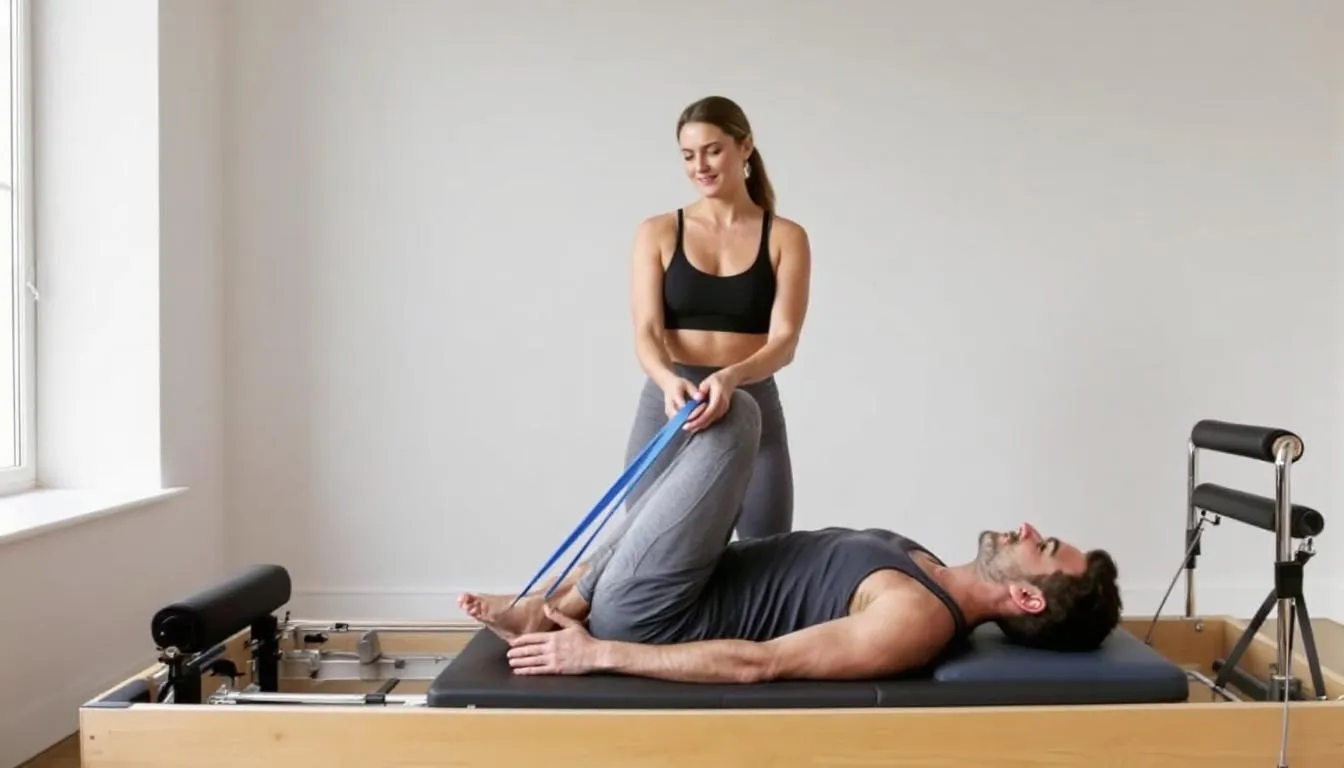
The progressive approach of starting slowly and focusing on technique over intensity prevents injury while building a solid foundation for more advanced pilates moves. This methodical progression distinguishes effective pilates training from rushed or improperly executed programs.
Combining pilates with aerobic exercise and resistance training creates a comprehensive fitness program that addresses all aspects of physical health. While pilates excels in core strengthening and flexibility, additional cardiovascular and strength training enhance overall fitness levels.
Individual modification based on fitness level, health conditions, and personal goals ensures that each practitioner receives maximum benefit from their new fitness program. This personalized approach makes pilates suitable for beginners through advanced practitioners.
When Pilates May Be Less Effective
As a sole cardiovascular exercise, pilates requires supplementation with aerobic activities to achieve optimal heart health benefits. While pilates improves circulation and endurance, it typically doesn’t provide the sustained heart rate elevation necessary for significant cardiovascular conditioning.
For those seeking significant muscle bulk building, pilates alone may not provide sufficient resistance to achieve maximum muscle mass gains. Additional resistance training or weight lifting may be necessary to meet specific strength and size goals.
Without proper instruction, practitioners may develop poor form that reduces benefits and potentially increases injury risk. This highlights the importance of working with a qualified instructor, particularly when starting pilates or learning new techniques.
Inconsistent practice or lack of progression limits the effectiveness of any pilates exercise program. The cumulative benefits of pilates require regular commitment and gradual advancement to realize full potential.
Certain medical conditions require specific consultation before starting any exercise routine, including pilates. While generally safe, individuals with specific health concerns should seek medical clearance and work with appropriately trained professionals.
Getting Started for Maximum Effectiveness
Begin with beginner-friendly mat or reformer classes to establish proper foundation and technique. Many studios offer introductory packages that allow new practitioners to explore different pilates class formats and find their preferred approach.
Focus on mastering the six core principles: breath, concentration, centering, control, precision, and flow. These fundamental concepts guide all pilates exercises and distinguish effective practice from mere physical movement.
Starting pilates with physiotherapy-led classes provides personalized assessment and program design, particularly beneficial for those with existing injuries or specific health concerns. This approach ensures that modifications are appropriate and effective.
Allow for proper modification and progression as symptoms improve and strength increases. The best pilates training programs adapt to the practitioner’s changing needs and capabilities over time.
Consider streaming classes for foundational moves and technique practice, though in-person instruction remains valuable for proper form correction and personalized guidance. The combination of online practice and studio instruction can provide both convenience and quality.
Regular pilates practice, when properly executed with appropriate instruction and progression, delivers measurable improvements across physical health, mental health, pain management, and functional capacity. The extensive research supporting pilates effectiveness makes it a valuable addition to any comprehensive fitness program, particularly for those seeking a sustainable, adaptable form of exercise that grows with their changing needs and goals.