
Back pain affects approximately 80% of adults at some point in their lives, making it one of the most common health complaints worldwide. While many treatments focus on masking symptoms with medication or providing temporary relief, pilates offers a different approach—one that addresses the root causes of back problems through targeted movement, breathing, and body awareness.
Unlike general exercise programs that might aggravate existing back issues, pilates for back problems specifically targets the deep stabilizing muscles that support your spine. This low-impact exercise system emphasizes controlled movements, proper alignment, and mind-body connection to create lasting changes in how your body moves and functions.
This comprehensive guide will walk you through everything you need to know about using pilates to address back problems, from understanding why it works to specific exercises you can start today. Whether you’re dealing with chronic low back pain, recovering from an injury, or looking to prevent future problems, you’ll discover how regular pilates practice can transform your back health.
Why Pilates is Effective for Back Problems
The effectiveness of pilates for back problems lies in its unique approach to strengthening the body’s “powerhouse”—the deep muscles that provide core stability and support proper spinal alignment. These deep postural muscles, including the transverse abdominis, multifidus, and pelvic floor muscles, work together to create a natural corset around your spine. These muscles are key trunk muscles involved in spinal stabilization.
Traditional exercise often focuses on the superficial muscles you can see, like the rectus abdominis (your “six-pack” muscles). However, these surface-level muscles aren’t designed to provide sustained spinal support throughout daily activities. The deep muscles targeted in pilates exercises maintain constant, low-level activation to keep your spine stable and properly aligned.
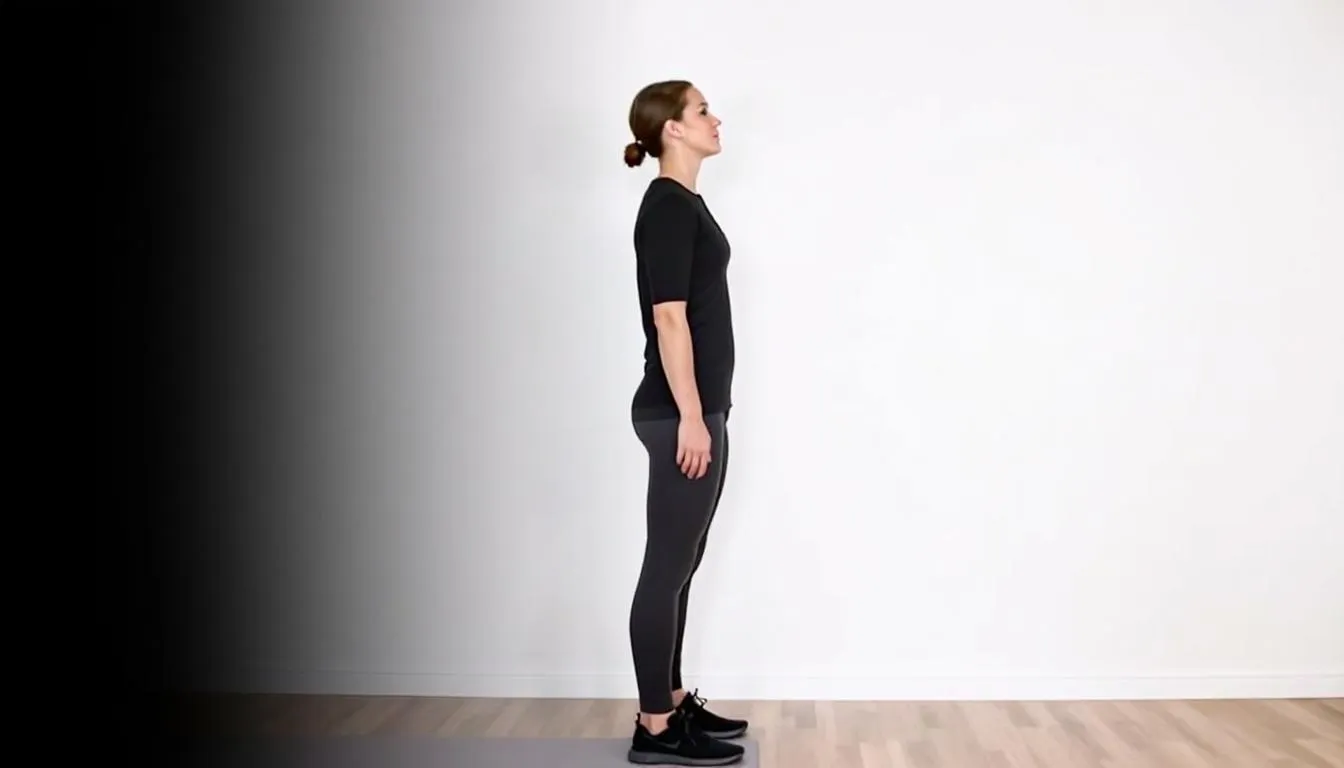 The mind-body connection central to pilates practice plays a crucial role in retraining movement patterns. Many people with back pain develop compensation patterns—unconsciously altering how they move to avoid discomfort. These adaptations often create muscular imbalances that perpetuate the problem. Pilates exercises require focused attention on how you move, helping to break these harmful patterns and establish healthier movement habits.
Clinical research demonstrates that pilates can be particularly effective for several specific back conditions. Studies show significant improvements in pain and function for people with chronic low back pain, with some participants experiencing meaningful relief after just 24 hours of total pilates instruction over three months. The controlled, flowing movements also make pilates suitable for conditions like herniated discs, where jarring or high-impact activities might worsen symptoms.
What sets pilates apart from other exercise approaches is its emphasis on quality over quantity. Each pilates exercise is performed with precise attention to form, breathing, and muscle activation. This precision helps ensure that the right muscles are working effectively while avoiding movements that might strain vulnerable areas of the spine.
How Pilates Addresses the Root Causes of Back Pain
Understanding why back pain develops is essential to appreciating how pilates provides lasting relief. Most back problems stem from a combination of muscular imbalances, movement dysfunction, and lifestyle factors that create excessive stress on spinal structures.
Weak core strength is perhaps the most significant contributor to back problems. When your deep abdominal muscles, back muscles, and hip muscles lack the strength or coordination to properly support your spine, the burden falls on spinal structures that aren’t designed to handle constant load. This leads to increased pressure on discs, joints, and ligaments, eventually causing pain and dysfunction.
Pilates exercises specifically target these weak links through movements that require co-contraction of multiple muscle groups. For example, when you perform a chest lift with proper form, you’re not just working your abdominal muscles—you’re training your entire core system to work together to support your lumbar spine while your upper body moves. Clinical research shows that Pilates is effective in reducing pain for people with chronic low back pain by improving core muscle strength and motor control, leading to meaningful relief.
Tight hip flexors represent another common culprit in back pain development. These muscles, which run from your thigh bone to your lower spine, can become shortened and tight from prolonged sitting. When hip flexors are tight, they pull on the lumbar spine, creating an anterior pelvic tilt that increases the curve in your lower back and compresses spinal structures.
 Poor posture from desk work and sedentary lifestyle creates muscular imbalances throughout the entire kinetic chain. Forward head posture, rounded shoulders, and collapsed chest all contribute to increased stress on the mid back and neck. Meanwhile, slouched sitting positions weaken the posterior chain muscles responsible for maintaining upright posture.
Pilates addresses these postural issues through exercises that strengthen the erector spinae and other back muscles while simultaneously stretching tight chest and shoulder muscles. The emphasis on maintaining neutral spine position throughout pilates movements helps retrain postural awareness that carries over into daily activities.
Breathing dysfunction often accompanies back pain, creating a cycle where pain leads to shallow, restricted breathing, which in turn reduces core stability. The diaphragm, when functioning properly, works as part of the core stabilizing system. Pilates breathing techniques specifically target diaphragmatic breathing patterns that enhance core stability while promoting relaxation.
Stress and tension manifest physically in the back muscles, particularly in the upper body and neck region. The mindful movement and breathing focus of pilates helps activate the parasympathetic nervous system, which promotes relaxation and helps relieve stress-related muscle tension.
Back Muscles and Pilates
Strong, resilient back muscles are the foundation of a healthy spine and play a crucial role in preventing and reducing back pain. Pilates exercises are uniquely designed to target both the deep and superficial muscles of the back, making them an excellent choice for anyone looking to improve posture, support the spine, and manage chronic low back pain.
The back muscles—including the erector spinae, latissimus dorsi, and trapezius—work together to stabilize the spine, facilitate movement, and maintain upright posture. When these muscles are weak or imbalanced, the risk of injury and chronic low back pain increases. Pilates exercises such as pelvic tilts and bridging specifically engage these muscle groups, helping to build strength and flexibility where it matters most.
One of the standout benefits of regular pilates practice is the development of body awareness. By focusing on controlled movement and mindful breathing, pilates helps you tune into how your body moves and feels. This heightened awareness allows you to make subtle adjustments in your posture and movement patterns, reducing unnecessary strain on your back muscles and supporting long-term back health.
Pilates also emphasizes the activation of deep muscles like the transverse abdominis, which acts as a natural corset for your spine. Strengthening these deep postural muscles provides more support for your lumbar spine and helps protect against low back pain. Exercises such as the Superman and Lat Pull are particularly effective for targeting the entire back, promoting balanced muscle tone and improved functional movement.
If you’re new to pilates or managing a chronic condition, it’s important to start with gentle exercises and gradually progress as your strength and confidence grow. Working with a physical therapist or a certified pilates instructor can help you develop a personalized exercise program that addresses your unique needs and goals, ensuring you perform each movement safely and effectively.
Incorporating pilates into your regular exercise routine can have a profound positive impact on your back health. Not only can it help reduce pain and prevent injury, but it also supports better posture, greater flexibility, and enhanced overall well-being. Whether you’re seeking relief from chronic low back pain or simply want to build a stronger, more supportive back, pilates offers a proven, holistic approach to spinal health.
Essential Pilates Exercises for Back Problem Relief
The foundation of any effective pilates program for back problems begins with exercises that establish core stability and spinal awareness. These movements teach you to find and maintain neutral spine position while building strength in the deep stabilizing muscles.
Foundation Exercises for Spinal Stability
Pelvic Clock
This fundamental exercise mobilizes the pelvis while teaching neutral spine awareness. Lie on your back with knees bent, feet flat on the floor about hip width apart. Imagine a clock face on your pelvis, with 12 o’clock at your pubic bone and 6 o’clock at your lower ribs.
Starting position: Find neutral position where your pelvis is balanced between the front and back of the clock. Slowly tilt your pelvis toward 12 o’clock, flattening your lower back against the floor. Then tilt toward 6 o’clock, arching your back slightly. Continue this gentle rocking motion, breathing naturally, for 8-10 repetitions.
The movement should come from your deep abdominal muscles rather than your hip muscles. This exercise helps restore normal mobility to the lumbar spine while teaching you to recognize neutral position. After each set, allow your spine to relax to release any tension built up during the exercise.
Chest Lift
This exercise strengthens your deep abdominal muscles while maintaining proper neck alignment. Lie on your back with knees bent, feet flat, and head resting on a small pillow if needed. Place your hands behind your head with elbows wide.
Breathe in to prepare. As you exhale, engage your transverse abdominis by gently drawing your belly button toward your spine. Slowly lift your head and shoulders off the ground, looking toward your knees. Your lower back should remain in neutral position throughout the movement.
Slowly lower back down as you inhale. Start with 5-8 repetitions, focusing on quality of movement rather than quantity. Common modifications include placing arms rest by your sides or crossing them over your chest if neck strain occurs. After each repetition, let your spine relax before starting the next lift.
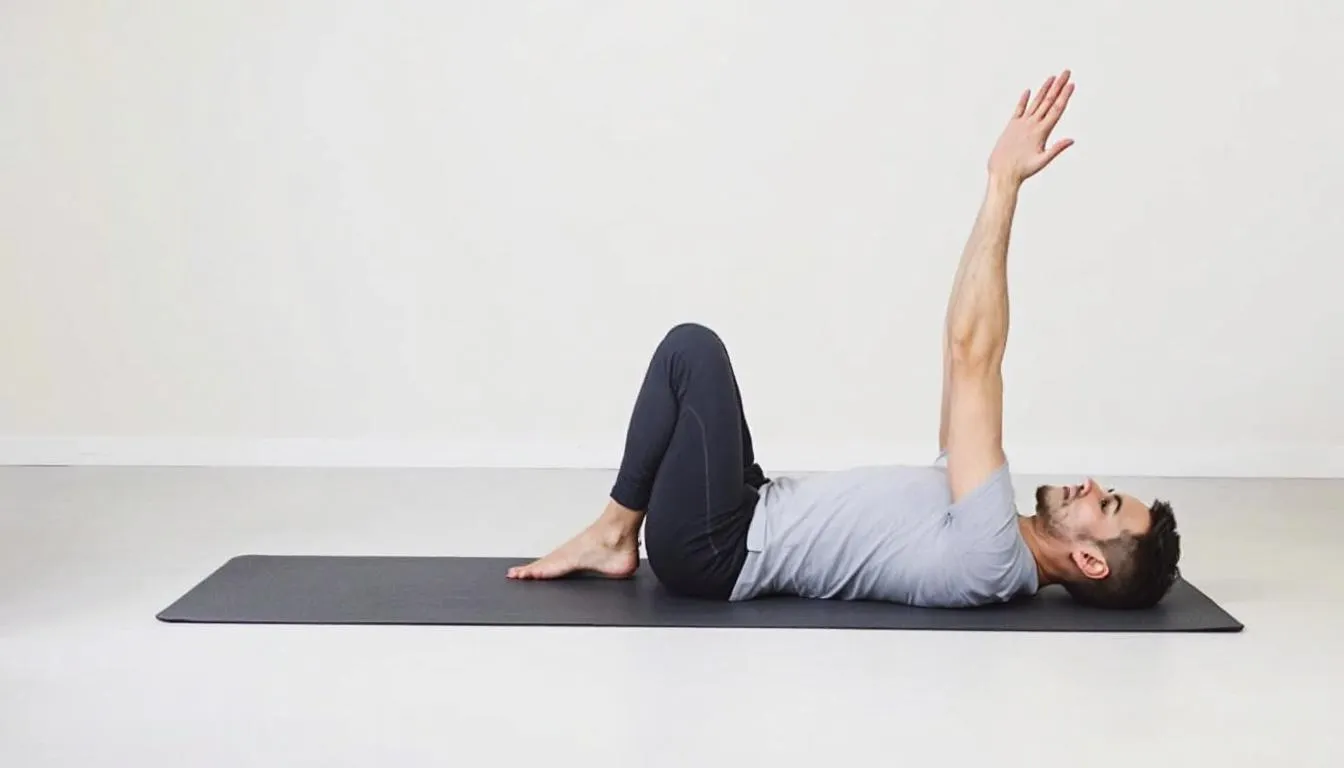
For additional core stability, try the Dead Bug exercise: Lie on your back with arms extended toward the ceiling and knees bent at 90 degrees. As you exhale, extend your left leg long while keeping your abdominal muscles engaged and your lower back in a neutral position. Return to the starting position and repeat on the other side, alternating legs for 8-10 repetitions.
Modified Plank
Building core endurance and shoulder stability, the modified plank can be adapted for various fitness levels. Start on your hands and knees with wrists directly under shoulders and knees under hips.
Engage your core muscles and extend one foot back, then slowly extend the other foot to create a straight line from head to heels. If this is too challenging, remain on your knees. Hold this position for 15-30 seconds while breathing normally.
Focus on maintaining neutral spine position—avoid letting your hips sag or pike upward. The most important thing is maintaining proper form rather than holding for longer duration.
Strengthening Exercises for Back Support
Swimming
This exercise strengthens the posterior chain muscles and improves spinal extension. Lie face down with arms extended overhead and legs long. Rest your forehead on the ground or a small pillow.
Engage your core muscles and simultaneously lift your left leg and right arm off the ground. Lower them slowly and repeat with the other foot and arm. The movement should be controlled and originate from your deep muscles rather than momentum.
Perform 8-10 alternating movements, breathing naturally throughout. This exercise particularly benefits the erector spinae and helps counteract the forward posture common in desk workers.
Side Plank Modifications
Lateral core muscles and hip stabilizers are crucial for preventing back problems. Start lying on your side with your lower arm extended and upper body propped up on your elbow. Your legs can be bent (easier) or straight (more challenging).
Lift your hips off the ground, creating a straight line from your head to your knees or feet. Hold for 15-30 seconds while breathing normally. Lower slowly and repeat on the other side.
This exercise targets muscles that traditional exercises often miss, helping to create balanced strength around your spine and pelvis.
Leg Pull Front
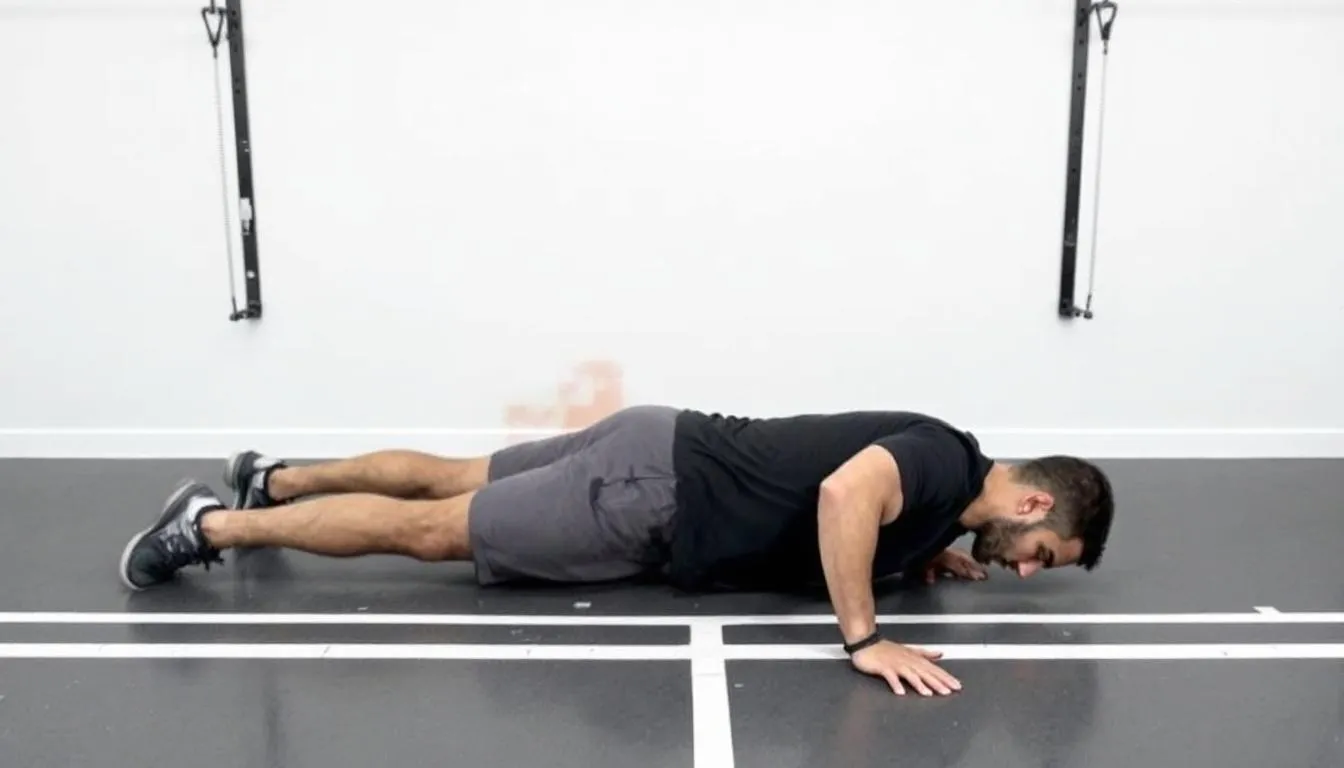
This advanced exercise builds full-body integration and spinal support. Start in a plank position with hands directly under shoulders. Engage your core and lift one foot off the ground, extending the leg behind you.
Hold for 2-3 seconds, then slowly lower and repeat with the other foot. The challenge is maintaining neutral spine and level hips while one leg is lifted. Start with 3-5 repetitions per leg, focusing on control rather than speed.
Mobility and Flexibility Exercises
Cat-Cow Stretches
This classic movement mobilizes the entire spine and relieves tension. Start on hands and knees with wrists under shoulders and knees under hips. Begin in neutral spine position.
Inhale and slowly arch your back, lifting your chest and tailbone toward the ceiling (Cow position). Exhale and reverse the movement, rounding your spine toward the ceiling while tucking your chin and tailbone (Cat position).
Move slowly and deliberately, taking 3-4 seconds for each direction. Repeat 8-10 times, focusing on moving one vertebra at a time rather than creating the movement at a single joint.
Hip Flexor Stretches Using Pilates Principles
Addressing tight hip flexors is essential for relieving stress on the lumbar spine. Kneel with your right knee on the ground and left leg forward in a lunge position. Keep your torso upright and pelvis in neutral position.
Gently shift your weight forward while maintaining neutral spine alignment. You should feel a stretch in the front of your right thigh. Hold for 30-60 seconds, breathing deeply, then repeat on the other side.
The key is avoiding the common mistake of arching your back to increase the stretch. Instead, maintain neutral pelvis position and allow the hip flexors to lengthen gradually.
Spinal Wave
This exercise teaches sequential spinal movement and releases stiffness throughout the spine. Sit tall with legs extended and feet flex. Imagine your spine as a wave moving through water.
Slowly round forward, starting with your head and moving one vertebra at a time. When you’ve rounded as far as comfortable, begin the return journey, stacking each vertebra one at a time until you’re sitting tall again.
The movement should take 8-10 seconds in each direction. Focus on creating space between each vertebra rather than forcing the stretch. Repeat 3-5 times, breathing naturally throughout.
Pilates Benefits for Specific Back Conditions
Different types of back problems respond to specific aspects of pilates training. Understanding how pilates addresses various conditions can help you focus your practice for maximum benefit.
Lower Back Pain and Sciatica
Chronic low back pain often stems from a combination of weak core muscles, tight hip flexors, and poor movement patterns. Pilates exercises that emphasize hip mobility and core stabilization provide particular benefits for these conditions.
The controlled movements in pilates help reduce nerve irritation associated with sciatica by improving spinal alignment and reducing compression on nerve roots. Exercises that promote neutral spine position while mobilizing the hips can help alleviate the shooting pain that characterizes sciatic nerve irritation.
Research shows that people with chronic low back pain who participate in regular pilates practice experience significant pain reduction within 4-6 weeks of starting a program. The improvements continue to build over 12 weeks, with many participants reporting substantial functional improvements that allow them to return to activities they had avoided due to pain.
Upper Back Tension and Neck Pain
Modern lifestyle patterns create specific problems in the upper body and neck region. Forward head posture, rounded shoulders, and tight chest muscles contribute to mid back pain and neck strain.
Pilates exercises that address postural muscles and shoulder blade stability provide targeted relief for these conditions. The emphasis on spinal extension and shoulder blade mobility helps counteract the forward posture that creates upper body tension.
Many people notice improvement in neck and shoulder tension within 2-3 weeks of starting pilates, particularly when combined with workplace ergonomic improvements and regular movement breaks.
Disc Problems
Degenerative disc disease and herniated discs require careful attention to spinal position and loading. Pilates’ emphasis on controlled movement and neutral spine position makes it particularly suitable for people with disc problems.
The decompression effect of proper spinal alignment, combined with gentle strengthening of supporting muscles, can help reduce pressure on damaged discs. However, certain exercises may need modification or temporary elimination during acute phases of disc problems.
Working with a physical therapist or clinical pilates instructor is especially important for people with diagnosed disc problems to ensure exercises are appropriate for their specific condition.
Post-Injury Rehabilitation
Pilates serves as an excellent bridge between physical therapy and return to full activity after back injury. The progressive nature of pilates exercises allows for gradual loading of healing tissues while maintaining movement and preventing deconditioning.
The body awareness component of pilates helps people recovering from injury recognize and avoid movement patterns that might contribute to re-injury. This enhanced proprioception is particularly valuable for preventing future episodes of back pain.
Most people can begin modified pilates exercises within 4-6 weeks of acute injury, though timing depends on the specific injury and healing progress. The gradual progression allows for safe return to normal activities while building strength and confidence.
Getting Started Safely with Pilates for Back Problems
Beginning pilates with back problems requires careful attention to safety and appropriate progression. The most important thing is starting conservatively and building gradually rather than pushing through pain or discomfort.
If you’re experiencing severe or chronic pain, consulting with your healthcare provider before starting any exercise program is essential. They can help identify any contraindications and provide guidance on whether pilates is appropriate for your specific condition.
Red flags that warrant immediate medical attention include sharp, shooting pain, numbness or tingling in your legs, or any increase in symptoms during or after exercise. These symptoms may indicate nerve involvement that requires professional evaluation.
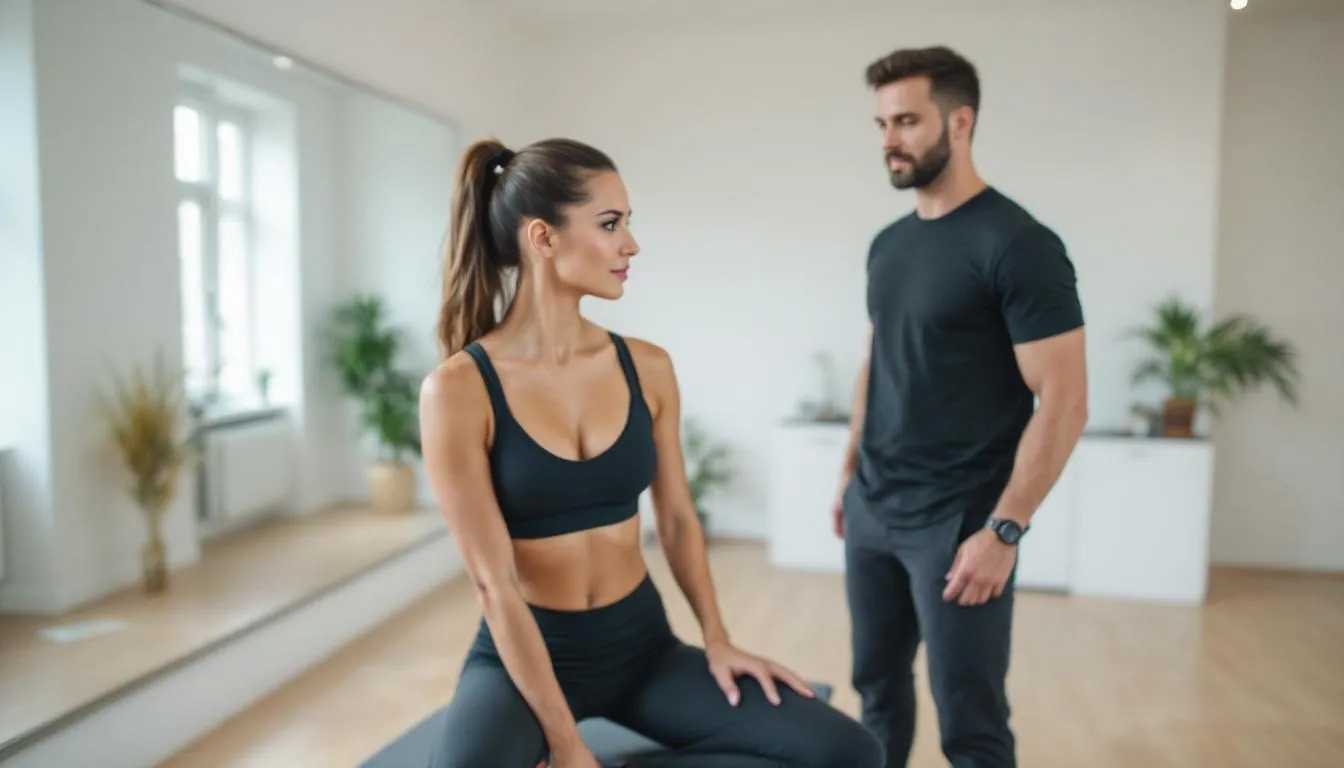
Starting with a qualified clinical pilates instructor or physical therapist trained in pilates provides the safest introduction to pilates practice. These professionals can assess your movement patterns, identify restrictions or imbalances, and design a program tailored to your specific needs.
Improper form or pushing through fatigue during pilates exercises can lead to injuries. It is important to recognize pain signals and stop if discomfort arises to prevent injury during your pilates routine.
 The ideal frequency for beginners is 2-3 sessions per week, allowing time for tissue adaptation and recovery between sessions. This schedule provides optimal learning opportunities while preventing overuse or aggravation of existing problems.
Private sessions typically cost between $80-120 per session but provide individualized attention crucial for people with back problems. Group classes range from $25-40 per session and can be appropriate once you’ve mastered basic movements and safety principles. Online programs ($15-30 per month) offer convenient access to instruction but lack the personalized guidance important for people with back issues.
Many practitioners find that starting with 4-6 private sessions provides a solid foundation for safe, independent practice. During these sessions, you’ll learn proper breathing techniques, neutral spine positioning, and exercise modifications that accommodate your specific limitations.
Equipment needs for beginning pilates are minimal. A yoga mat provides adequate cushioning for floor exercises, and props like small pillows or towels can help with positioning and comfort. Specialized pilates equipment isn’t necessary for basic exercises, though some studios offer apparatus-based classes as you progress.
What to Expect and Maximizing Results
Understanding the timeline for improvement can help set realistic expectations and maintain motivation during your pilates journey. Most people notice initial changes in body awareness within 2-3 weeks of consistent practice, even before significant strength gains occur.
The enhanced awareness of posture and movement patterns often represents the first noticeable benefit. You might find yourself naturally sitting straighter or catching yourself before adopting poor postures that previously went unnoticed. This increased body awareness is a crucial foundation for long-term improvement.
Strength gains typically become apparent within 4-6 weeks of regular practice. The deep muscles targeted in pilates respond relatively quickly to consistent training, and you may notice improved endurance for daily activities like prolonged sitting or standing.
Significant pain reduction usually occurs within 8-12 weeks for people with chronic low back pain, though some individuals experience meaningful improvement sooner. The timeline varies based on the severity and duration of symptoms, consistency of practice, and individual factors like overall health and stress levels.
Consistency is far more important than intensity when it comes to pilates for back problems. Three 30-minute sessions per week will produce better results than one 90-minute session weekly. The neuromuscular retraining that makes pilates effective requires frequent reinforcement to create lasting changes.
Home practice between formal sessions accelerates progress and reinforces learning. Even 10-15 minutes of daily movement can help maintain the benefits achieved during structured sessions. Many instructors provide simple routines that can be performed in small spaces without equipment.
Signs of progress extend beyond pain reduction and include improved posture, better sleep quality, increased energy levels, and enhanced confidence in movement. Many people report feeling more comfortable participating in activities they had avoided due to fear of triggering pain.
During challenging days or minor flare-ups, modifying your practice rather than stopping completely helps maintain momentum. Gentler exercises focusing on breathing and mobility can provide relief while keeping you connected to your practice routine.
Long-term maintenance recommendations typically involve 1-2 structured sessions per week plus daily movement practices. As your condition improves, you can explore more challenging exercises or different movement modalities while maintaining the foundational principles learned through pilates.
Combining Pilates with Other Back Pain Treatments
Pilates works synergistically with many other back pain treatments, often enhancing their effectiveness while reducing reliance on passive interventions. Understanding how to integrate pilates with other approaches can maximize your overall results.
Physical therapy and pilates complement each other beautifully, with physical therapy often addressing acute symptoms and specific impairments while pilates provides ongoing strengthening and movement reeducation. Many physical therapists incorporate pilates-based exercises into treatment plans, and transitioning to pilates classes after formal physical therapy can help maintain gains.
Chiropractic care and pilates can work together effectively when properly coordinated. Chiropractic adjustments can help restore normal joint mobility, while pilates strengthens the muscles needed to maintain those improvements. Timing is important—vigorous exercise immediately after spinal manipulation might not be appropriate, so discuss scheduling with your practitioners.
Massage therapy provides excellent preparation for pilates practice by reducing muscle tension and improving circulation. Many people find that massage before pilates sessions allows for better movement quality and reduced discomfort during exercise. The relaxation benefits of massage also complement the stress-reduction aspects of pilates practice.
Integration with medical treatments requires communication with your healthcare team. If you’re taking pain medications, be aware that reduced pain sensation might mask the body’s normal protective responses during exercise. Anti-inflammatory medications can be helpful for managing exercise-related soreness, but dependency on medication often decreases as pilates practice builds strength and improves function.
Lifestyle modifications that enhance pilates benefits include ergonomic workspace setup, regular walking breaks, and stress management techniques. An ergonomic workstation reduces the postural stress that pilates exercises work to counteract, while regular movement prevents the stiffness that accumulates during prolonged sitting.
Stress management through techniques like meditation, adequate sleep, and work-life balance supports the nervous system recovery that pilates promotes. Chronic stress contributes to muscle tension and pain sensitivity, so addressing stress alongside physical factors provides comprehensive care.
When other interventions might be necessary alongside pilates include situations where pain is severe, progressively worsening, or accompanied by neurological symptoms. Imaging studies, injections, or surgical consultation might be appropriate in these cases, with pilates serving as valuable preparation for or recovery from more invasive treatments.
The goal of integrative treatment is creating a comprehensive approach that addresses all contributing factors to your back problems. Pilates serves as an excellent foundation for this approach, providing active self-care strategies that complement professional treatments and support long-term back health.
Regular pilates practice empowers you to take an active role in managing your back health rather than relying solely on passive treatments. This shift from passive to active care often represents a turning point in the recovery process, building confidence and resilience that extends beyond physical improvements.
Whether you’re dealing with acute injury, chronic condition, or seeking to prevent future problems, pilates offers evidence-based tools for improving your back health. The journey requires patience and consistency, but the potential for meaningful, lasting improvement makes pilates an invaluable addition to any comprehensive back care strategy.
Success with pilates for back problems depends on finding qualified instruction, maintaining consistent practice, and integrating the principles into your daily life. Most people find that the investment in learning proper techniques and building a sustainable practice pays dividends in improved quality of life, reduced pain, and greater confidence in their body’s ability to heal and adapt.
Remember that healing is rarely linear, and progress may include temporary setbacks or plateaus. The key is maintaining perspective on the overall trajectory of improvement while being patient with the process. With time, consistency, and appropriate guidance, pilates can be a transformative tool for overcoming back problems and building lasting spinal health.