
Introduction to Pilates
Pilates is a low-impact exercise program that focuses on strengthening muscles, improving flexibility and mobility, and enhancing body awareness.
The pilates method, developed by Joseph Pilates, emphasizes controlled movements, breathing, and concentration to engage the entire body. Pilates involves focusing on breath control and mindful movement, which enhances flexibility and mobility.
Pilates exercises can be modified to suit different fitness levels, making it an accessible form of exercise for everyone.
A pilates class typically includes a combination of mat pilates and reformer pilates exercises to provide a full-body workout.
Pilates training programs often incorporate pilates equipment, such as the reformer, to add variety and challenge to the workout.
History and Development
- Joseph Pilates created the pilates method in the early 20th century as a form of exercise and rehabilitation.
- The first pilates studio was opened in New York City in the 1920s, and since then, pilates has gained popularity worldwide.
- Pilates was initially used as a form of physical therapy to help patients recover from injuries and illnesses. Core strengthening was a crucial component of these early rehabilitation programs, helping to improve stability and reduce pain.
- Over time, pilates has evolved to include various styles and modifications, such as contemporary pilates and classical pilates.
- Today, pilates is recognized as a highly effective form of exercise for improving flexibility, strength, and overall physical fitness.
Types of Pilates
- Mat pilates is a form of pilates that uses body weight as resistance to build strength and improve flexibility.
- Reformer pilates uses a machine called the reformer, which consists of a moving carriage and springs, to provide a more intense workout. The reformer allows for varying degrees of resistance, making it suitable for beginners, advanced practitioners, and those in recovery.
- Other types of pilates include cadillac pilates, wunda chair pilates, and barre pilates, each with its unique equipment and focus.
- Pilates can also be modified to suit different populations, such as prenatal pilates, pilates for older adults, and pilates for athletes.
- Some pilates classes may also incorporate other forms of exercise, such as yoga or dance, to add variety and challenge.
Getting Started with Pilates
- To get started with pilates, it’s recommended to find a qualified pilates instructor or studio that offers beginner classes.
- Invest in a good quality pilates mat and comfortable clothing that allows for a full range of motion.
- Start with basic pilates exercises and gradually progress to more advanced movements as you build strength and flexibility.
- Focus on proper form and technique, and don’t be afraid to ask for modifications or adjustments.
- Consider investing in a pilates training program or working with a personal trainer to help you get started.
Pilates Exercises for Flexibility
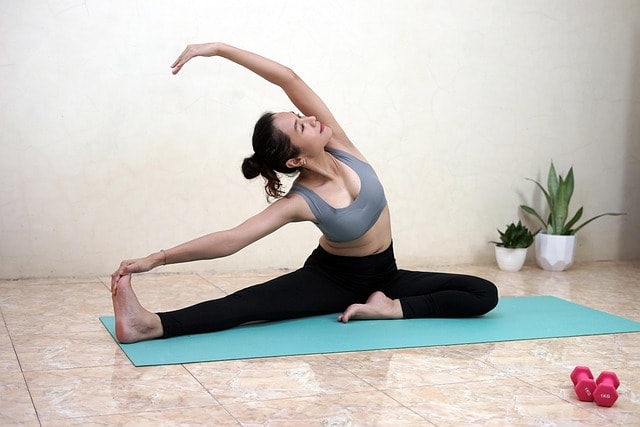
Pilates exercises are uniquely designed to help you build flexibility and mobility throughout your entire body. The pilates method emphasizes controlled movements that stretch and lengthen muscles, allowing your joints to move through a greater range of motion. Classic pilates exercises like the mermaid and the saw specifically target the hips, spine, and shoulders, helping to release tightness and improve flexibility in these key areas. By regularly practicing pilates exercises that focus on stretching and mobility, you can reduce stiffness, increase your range of motion, and support your body’s ability to move freely in everyday activities. Whether you’re new to pilates or looking to deepen your practice, incorporating these flexibility-focused movements into your workout routine can help you achieve a more supple, resilient body.
Physical Benefits of Pilates
Pilates helps improve posture by strengthening the core and increasing flexibility in the muscles. Becoming more flexible through Pilates can make daily activities easier and help prevent pain and injury.
Regular pilates practice can reduce back pain and improve overall physical fitness.
Pilates also enhances body composition by building lean muscle mass and increasing metabolism.
Pilates can help improve balance and coordination, reducing the risk of injuries and falls.
By improving flexibility and mobility, pilates can also enhance athletic performance and reduce the risk of sports-related injuries.
Flexibility and Mobility
Pilates focuses on increasing flexibility and mobility by stretching muscles and improving range of motion. Pilates is especially effective at developing both mobility and flexibility, which are essential for good movement quality and injury prevention.
Pilates exercises, such as the hundred and the roll-up, help to lengthen and stretch the muscles, improving flexibility. These exercises also promote joint health by encouraging a full range of motion at each joint.
The pilates method also emphasizes the importance of controlled movements and proper alignment to maintain flexibility and prevent injuries. Dynamic stretches and slow, deliberate motions are integral to Pilates, helping to lengthen muscles and improve flexibility.
By improving flexibility and mobility, pilates can help reduce the risk of chronic diseases, such as osteoarthritis and diabetes.
Pilates can also help improve functional capacity, making it easier to perform everyday activities with ease and confidence.
Pilates and Body Awareness
One of the standout benefits of pilates is its ability to enhance body awareness. The pilates method is a true mind-body practice, encouraging you to tune into how your body moves and feels during each exercise. In pilates classes, instructors guide you to focus on your breath, alignment, and the subtle engagement of your core muscles, helping you develop a deeper understanding of your body’s position and movement. This heightened body awareness not only helps you improve posture and movement efficiency, but also reduces the risk of injury by teaching you to recognize and correct poor movement patterns. As you continue your pilates practice, you’ll find yourself more in tune with your body, able to move with greater control, confidence, and precision both in and out of the studio.
Building Core Strength
Pilates is renowned for its emphasis on building core strength, which is essential for maintaining good posture and preventing injuries.
The core muscles, including the abdominals and back muscles, are engaged in most pilates exercises to provide stability and support. Each pilates exercise is designed to activate the core muscles through controlled movement and breath, ensuring effective abdominal muscle engagement and improved stability.
Pilates exercises, such as the plank and the teaser, help to build strength and endurance in the core muscles.
A strong core also improves balance and coordination, reducing the risk of falls and injuries.
By building core strength, pilates can also enhance athletic performance and improve overall physical fitness.
Reducing Mental Tension
- Pilates is a mind-body exercise that helps to reduce mental tension and stress.
- The focus on breathing and concentration in pilates helps to calm the mind and reduce anxiety. Focusing on breath and mindful movement in Pilates can help regulate the nervous system, reducing stress and promoting relaxation.
- Pilates also promotes body awareness, which can help to reduce stress and improve overall well-being.
- The pilates method emphasizes the importance of relaxation and release, helping to reduce muscle tension and promote relaxation.
- By reducing mental tension, pilates can also improve sleep quality, reduce fatigue, and enhance overall mental health.
Improving Overall Health
- Pilates can help improve overall health by reducing the risk of chronic diseases, such as heart disease and diabetes.
- Regular pilates practice can also improve immune function, reducing the risk of illness and infection.
- Pilates can help improve bone density, reducing the risk of osteoporosis and fractures. While many benefits of Pilates are supported by current evidence, more research is needed to fully understand its effects on various health conditions.
- The pilates method also emphasizes the importance of proper nutrition and lifestyle habits, promoting overall health and well-being.
- By improving overall health, pilates can also enhance quality of life, reducing the risk of disability and improving functional capacity.
Pilates as Physical Therapy
- Pilates is often used as a form of physical therapy to help patients recover from injuries and illnesses.
- The pilates method can help improve range of motion, reduce pain and inflammation, and promote healing.
- Pilates exercises can be modified to suit different populations, such as prenatal pilates and pilates for older adults. Pilates based exercises are commonly used in rehabilitation programs to improve posture and spinal alignment.
- Pilates can also be used in conjunction with other forms of physical therapy, such as occupational therapy and speech therapy. Recent meta analysis has shown Pilates to be effective in reducing pain and improving function in patients with musculoskeletal conditions.
- By using pilates as physical therapy, patients can improve functional capacity, reduce the risk of chronic diseases, and enhance overall quality of life.
Pilates for Better Posture
Pilates is a powerful tool for anyone looking to improve posture and support a healthy spine. The pilates method focuses on strengthening the core muscles—especially the abdominals and upper back—which are essential for maintaining proper alignment. Pilates exercises such as the hundred and the teaser are designed to activate these key muscle groups, helping to stabilize the spine and promote upright posture. By regularly engaging in pilates workouts that target the muscles responsible for good posture, you can reduce back pain, alleviate tension in the shoulders and neck, and move through daily life with greater ease. Over time, a consistent pilates practice can help you stand taller, move more efficiently, and enjoy the benefits of a strong, well-aligned body.
The Benefits of Pilates for Athletes
- Pilates can help improve athletic performance by increasing flexibility, strength, and endurance.
- The pilates method can help reduce the risk of sports-related injuries, such as strains and sprains.
- Pilates can also improve balance and coordination, reducing the risk of falls and injuries.
- Pilates can help enhance functional capacity, making it easier to perform everyday activities with ease and confidence.
- By incorporating pilates into their training program, athletes can improve overall physical fitness, reduce the risk of injury, and enhance athletic performance. Pilates can also serve as a form of strength training, building muscle endurance and power. Additionally, Pilates enhances postural balance, which is crucial for athletic performance and injury prevention.
Is Pilates Good for You?
- Pilates is an excellent form of exercise for people of all ages and fitness levels.
- The pilates method can help improve flexibility, strength, and endurance, reducing the risk of chronic diseases. Research suggests Pilates can also lead to improved sleep, better cognitive function, and reduced stress levels.
- Pilates can also improve balance and coordination, reducing the risk of falls and injuries.
- The pilates method emphasizes the importance of proper breathing and relaxation techniques, reducing stress and promoting overall well-being.
- By incorporating pilates into your workout routine, you can improve overall physical fitness, reduce the risk of injury, and enhance quality of life.
Conclusion
- Pilates is a highly effective form of exercise that can help improve flexibility, strength, and endurance.
- The pilates method emphasizes the importance of controlled movements, proper alignment, and proper breathing and relaxation techniques.
- Pilates can help reduce the risk of chronic diseases, improve functional capacity, and enhance overall physical fitness.
- By incorporating pilates into your workout routine, you can improve overall health and well-being, reduce the risk of injury, and enhance quality of life.
- Whether you’re a beginner or an experienced athlete, pilates is an excellent way to improve flexibility, strength, and overall physical fitness. Many people love pilates for its ability to promote both mental and physical well-being. Maintaining proper alignment, such as keeping the sit bones grounded during certain exercises, helps ensure muscles are properly stretched and engaged.