
If you’ve ever finished a challenging reformer class wondering whether it counted as your cardio workout for the day, you’re not alone. The question of whether pilates qualifies as aerobic exercise has sparked countless debates in fitness circles, with passionate advocates on both sides.
The confusion is understandable. Joseph pilates originally designed his method as “Contrology” – a system emphasizing controlled movements, breath control, and mental focus rather than heart-pumping intensity. As a result, traditional pilates is generally not considered cardio; however, more vigorous, flowing, or equipment-assisted routines can elevate your heart rate enough to be considered cardio or cardiovascular exercise.
The science-backed answer isn’t as straightforward as you might expect. Whether pilates counts as aerobic exercise depends on several factors: the type of pilates class you’re taking, the intensity level, your individual fitness level, and how the session is structured. Recent research has revealed some surprising findings about pilates’ cardiovascular benefits that challenge traditional assumptions about this mind body connection practice.
The Short Answer: Pilates Can Be Aerobic, But It Depends
Most traditional mat based pilates classes fall into the light to moderate-intensity category rather than true aerobic exercise. This raises the common question: does pilates count as a form of cardiovascular exercise? The answer depends on the style and intensity. Dynamic reformer pilates sessions and specialized cardio pilates classes can absolutely elevate your heart rate to meet aerobic exercise criteria.
A groundbreaking 2018 study published in a peer-reviewed journal followed 69 overweight adults through 8 weeks of training. Participants doing reformer pilates achieved heart rates averaging 63% of their maximum during pilates sessions, while those in traditional aerobic training reached 78% of maximum heart rate. Surprisingly, despite the lower overall intensity, the pilates group showed greater improvements in maximal oxygen uptake (VO2max) – a key marker of cardiovascular fitness.
Whether pilates counts as aerobic depends on several key factors:
- Class type and pace: Power pilates and circuit-style reformer classes with minimal rest can achieve aerobic intensity levels
- Equipment used: Reformer machines with jumpboards and resistance bands create more cardiovascular challenge than mat work
- Individual fitness level: Beginners may reach moderate intensity more easily than conditioned athletes
- Instructor approach: Classes designed for continuous movement versus those with frequent rest periods
The Cleveland Clinic notes that while traditional pilates focuses primarily on core strength and controlled movement, certain modifications can transform it into effective cardio activity.
What Defines Aerobic Exercise
To understand whether pilates qualifies as aerobic exercise, we need clear criteria for what constitutes aerobic activity. True aerobic exercise must elevate your heart rate to 50-85% of your maximum heart rate for sustained periods – typically at least 10-15 minutes of continuous activity.
The American College of Sports Medicine defines aerobic exercise as physical activity that:
- Engages large muscle groups in rhythmic, continuous movements
- Can be sustained for extended periods (minimum 10 minutes)
- Elevates heart rate into target training zones
- Primarily uses the oxidative energy system
Heart Rate Training Zones:
| Intensity Level | Heart Rate % | Description | Examples |
|---|---|---|---|
| Light | 50-60% | Comfortable pace, can sing | Gentle walking, basic stretching |
| Moderate | 60-70% | Somewhat hard, can talk | Brisk walking, recreational cycling |
| Vigorous | 70-85% | Hard effort, difficult to talk | Running, intense cycling, HIIT |
Traditional cardio exercises like running, cycling, swimming, and dancing clearly meet these criteria by maintaining elevated heart rates through continuous, rhythmic movement patterns. The cardiovascular challenge comes from sustained demand on your heart and lungs to deliver oxygen to working muscles.
Pilates typically involves controlled movements with intentional movement patterns, precise positioning, and coordinated breath control. Most classes include rest periods for instruction and alignment checks, which naturally lowers the sustained cardiovascular demand compared to continuous cardio activities.
Research Evidence: Pilates vs Traditional Aerobic Exercise
Recent scientific research has provided fascinating insights into pilates’ cardiovascular potential. The most comprehensive study to date examined 69 overweight and obese people over an 8-week period, comparing pilates training to traditional aerobic exercise.
Study Design:
- 69 participants divided into pilates and aerobic exercise groups
- 60-minute sessions, three times per week for 8 weeks
- Pilates group used mat and reformer equipment with resistance elements
- Aerobic group performed walking at ventilatory threshold intensity
Key Findings:
The pilates group exercised at an average of 63% maximum heart rate, while the aerobic group maintained 78% maximum heart rate. Despite this difference in intensity, the results were remarkable:
- Oxygen uptake improvements: Pilates group showed significant gains in VO2 at ventilatory threshold, respiratory compensation point, and maximal effort
- Body composition: Both groups reduced waist circumference equally, but pilates participants gained more lean muscle mass
- Weight loss: Research indicates that pilates can contribute to weight loss by reducing body weight and body fat, with outcomes comparable to traditional aerobic training.
- Functional fitness: Pilates group demonstrated superior improvements in chair rise and stair climbing tests
- Strength gains: Pilates participants showed greater increases in muscle strength across multiple measurements
These findings suggest that pilates can deliver meaningful cardiovascular benefits even at moderate intensity levels. The improvements in oxygen utilization may result from enhanced neuromuscular control, improved breathing patterns, and greater overall physical efficiency rather than just sustained heart rate elevation.
Additional research has shown that pilates sessions can improve cardiovascular endurance, blood pressure, and overall physical health markers in various populations, including pregnant women and older adults. The exercise program appears particularly beneficial for people who are new to regular physical activity or those with health conditions that limit high-intensity exercise.
Types of Pilates and Their Aerobic Potential
Not all pilates classes are created equal when it comes to cardiovascular challenge. Understanding the different types can help you choose sessions that match your fitness goals and desired intensity level.
Traditional Mat Pilates
Classic mat based pilates focuses on controlled movements, precise alignment, and core stability. These classes typically include:
- Detailed instruction on proper form and breathing techniques
- Rest periods between exercises for positioning and alignment
- Emphasis on quality over quantity of movement
- Heart rate usually stays in light-intensity zone (50-60% maximum)
The main aim of traditional pilates is developing a strong core, improving posture, enhancing body awareness, and building muscular control. While you’ll definitely feel muscles working and may experience some cardiovascular challenge, the overall intensity rarely reaches true aerobic levels for most participants.
Benefits focus on:
- Core strength and stability
- Joint mobility and flexibility
- Muscular endurance in deep stabilizer muscles
- Mental focus and stress reduction
- Low-impact nature suitable for various fitness levels
Reformer and Equipment-Based Pilates
Reformer pilates offers significantly more potential for aerobic intensity due to the equipment’s design and versatility. The reformer’s spring resistance system allows for:
- Fluid transitions between exercises with minimal rest periods
- Variable resistance that can increase muscular demand
- Jumpboard attachments that add explosive, plyometric movements
- Circuit-style formats moving quickly between different muscle groups
A qualified instructor can design reformer pilates sessions that maintain continuous movement for 20-30 minutes, keeping participants in moderate intensity zones. The reformer’s versatility allows for both upper body and lower body conditioning while maintaining the pilates principles of controlled movement.
Reformer classes labeled as “athletic pilates” or “cardio reformer” specifically aim to elevate heart rate while maintaining the mind body connection that defines pilates practice.
Power Pilates and Dynamic Styles
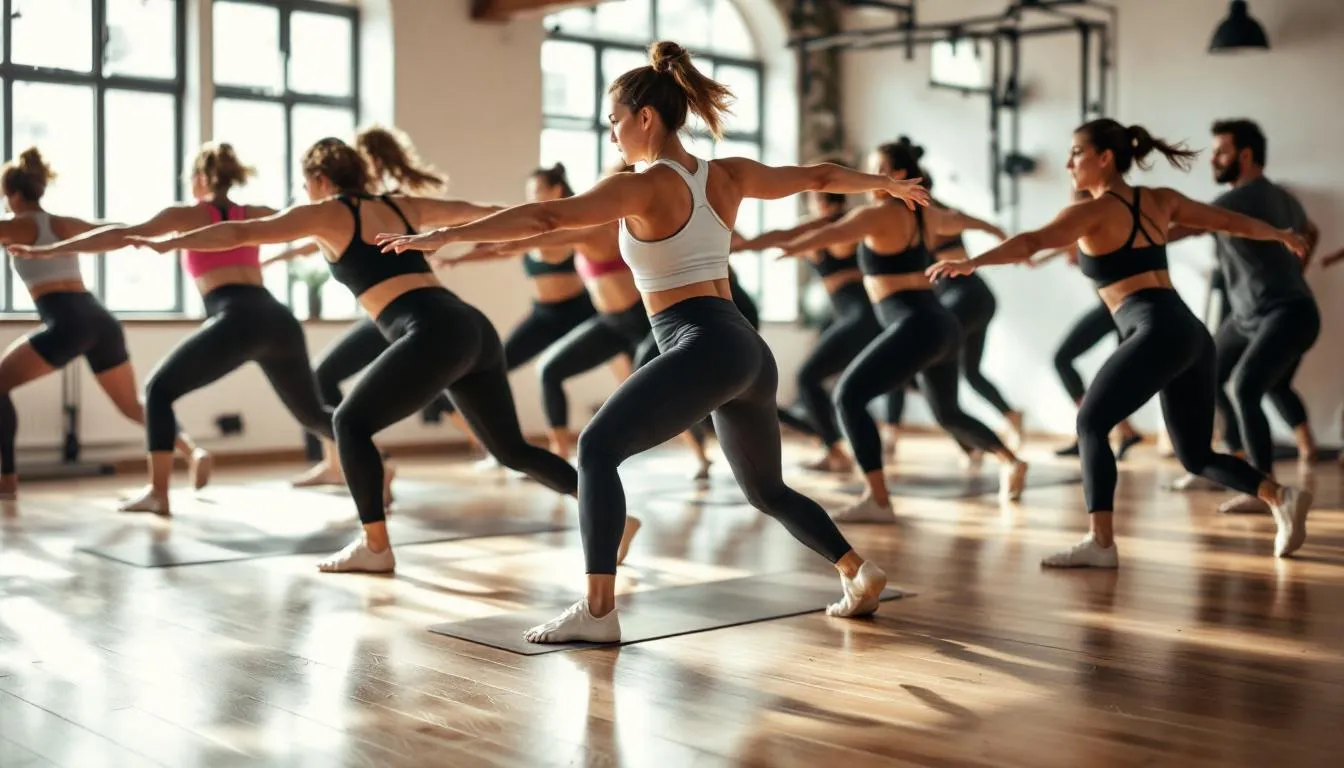
Modern pilates has evolved to include high-energy variations designed specifically to increase cardiovascular challenge:
Power Pilates Features:
- Faster pace with flowing sequences between exercises
- Minimal rest periods between movements
- Integration of light weights, resistance bands, or other equipment
- Circuit-style formats targeting different muscle groups
- Heart rates can reach moderate to vigorous zones (60-75% maximum)
Dynamic Class Elements:
- Jumpboard work for explosive movements
- Planks and dynamic core sequences
- Standing balance challenges
- Compound movements engaging large muscle groups
- Continuous movement patterns for 15-25 minutes
These pilates classes can absolutely qualify as aerobic exercise while maintaining the fundamental pilates principles of breath control, core stability, and intentional movement. Participants often report feeling like they’ve completed both strength training and cardio workouts in a single session.
Pilates Benefits Beyond Aerobic Exercise
Pilates is widely recognized as a new fitness program that offers an innovative approach to exercise, emphasizing core strength, flexibility, and controlled movements. Developed to suit a variety of health conditions and fitness levels, this comprehensive method is increasingly integrated into modern fitness routines for its adaptability and effectiveness.
While the aerobic potential of pilates varies by class type, the exercise offers numerous health benefits that extend far beyond cardiovascular conditioning. These advantages often complement traditional cardio workouts and can enhance your overall fitness program.
Core Strength and Functional Movement
Pilates focuses intensively on developing deep core muscles including the transverse abdominis, multifidus, and pelvic floor. This comprehensive core strength translates directly to:
- Better posture and spinal alignment
- Reduced risk of lower back pain
- Improved performance in other physical activities
- Enhanced stability for daily activities like lifting and carrying
The emphasis on stabilizer muscles creates a foundation that supports all other movement patterns, making pilates an excellent complement to cardio exercises.
Body Awareness and Neuromuscular Control
The mental focus required in pilates develops heightened body awareness and improved movement quality. Practitioners learn to:
- Control precise movements through full range of motion
- Coordinate breathing with movement patterns
- Maintain proper alignment during complex exercises
- Develop better balance and proprioception
This enhanced neuromuscular control can improve efficiency in other exercises and reduce injury risk across all physical activities.
Flexibility and Joint Mobility
Unlike many cardio workouts that can tighten muscles, pilates actively improves flexibility through:
- Dynamic stretching integrated into strengthening movements
- Full range of motion exercises for all major joints
- Emphasis on spinal mobility and articulation
- Balanced muscle development to prevent tightness
Low-Impact Accessibility
For people with joint issues, previous injuries, or health conditions that limit high-impact exercise, pilates provides:
- Joint-friendly movement patterns
- Modifications for various physical limitations
- Progressive intensity that can grow with fitness level
- Suitable options for older adults and those with chronic conditions
Mental Health and Stress Management
The mind body connection emphasized in pilates offers psychological benefits including:
- Stress reduction through focused breathing and movement
- Improved mental clarity and concentration
- Enhanced mood and emotional well-being
- Mindfulness practice that extends beyond the studio
Mind Body Connection
The mind body connection is at the heart of every Pilates class, setting this method apart from many other forms of exercise. Rooted in the teachings of Joseph Pilates, this approach emphasizes that true physical health comes from uniting mental focus with intentional movement. In Pilates, every exercise is an opportunity to build body awareness, core stability, and muscle strength—not just through repetition, but through precise movements and conscious control.
During Pilates exercises, you’re encouraged to tune into your body, noticing how each muscle engages and how your breath supports your movement. This heightened body awareness helps you move with greater efficiency and reduces the risk of injury, making Pilates an ideal choice for anyone seeking long-term physical benefits. Whether you’re working with your own body weight on the mat or using Pilates equipment like the Reformer, the focus remains on quality of movement and muscular control.
A qualified instructor plays a crucial role in guiding you through each Pilates session. They provide cues to help you maintain proper alignment, engage your core muscles, and move with intention. This guidance not only enhances your physical performance but also deepens your mental focus, allowing you to get the most out of every exercise.
One of the unique aspects of Pilates is its emphasis on neuromuscular control—the ability of your nervous system to coordinate muscle activity with precision. By practicing Pilates regularly, you train your body and mind to work together, improving your overall physical health, muscle tone, and cardiovascular endurance. This neuromuscular connection supports better posture, balance, and functional movement in everyday life and other fitness activities.
Beyond the physical benefits, the mind body connection in Pilates offers significant mental health advantages. The practice encourages you to be present, reducing stress and promoting a sense of calm. Many people find that Pilates helps them manage anxiety, improve their mood, and develop a more positive relationship with their bodies. This holistic approach to fitness not only builds strength and flexibility but also fosters a sense of empowerment and well-being.
Ultimately, Pilates is more than just a workout—it’s a comprehensive exercise program that nurtures both body and mind. By focusing on controlled, intentional movement and mental engagement, Pilates helps you achieve greater muscle strength, improved cardiovascular endurance, and enhanced overall health. Whether you’re new to exercise or looking to deepen your fitness program, the mind body connection cultivated in Pilates can transform your approach to physical activity and support your journey toward optimal health.
How to Make Pilates More Aerobic
If you love pilates but want to increase its cardiovascular benefits, several strategies can help you achieve aerobic intensity while maintaining the core principles of the practice.
Choose High-Intensity Class Formats
Look for classes specifically designed to elevate heart rate:
- Cardio pilates or pilates cardio: Classes that combine traditional pilates moves with higher-intensity intervals
- Athletic pilates: Sessions designed for sports conditioning with continuous movement
- Circuit pilates: Classes rotating through different stations with minimal rest
- Jumpboard classes: Reformer sessions featuring explosive jumping movements
- Power flow: Mat classes with faster transitions and dynamic sequences
Modify Your Approach Within Traditional Classes
Even in standard pilates sessions, you can increase intensity by:
- Moving with more speed and purpose during exercises
- Engaging muscles more forcefully throughout movements
- Minimizing rest between exercises when possible
- Adding resistance through deeper muscle engagement
- Maintaining continuous breathing patterns to sustain rhythm
Monitor Your Heart Rate
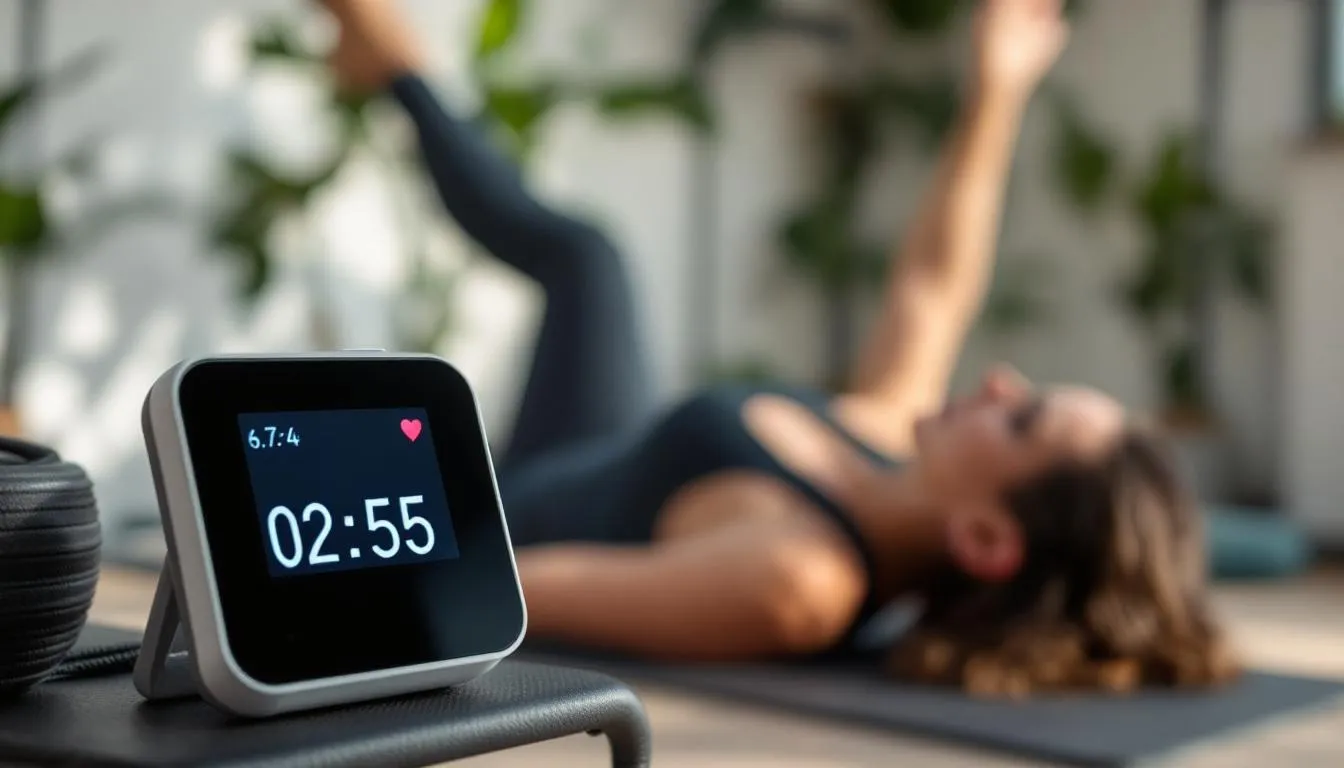
Use a fitness tracker or heart rate monitor to ensure you’re reaching moderate intensity zones (60-70% maximum heart rate). This feedback helps you adjust your effort level and movement pace to maintain aerobic benefits.
Combine Equipment and Props
Incorporate additional tools to increase challenge:
- Light weights during mat work
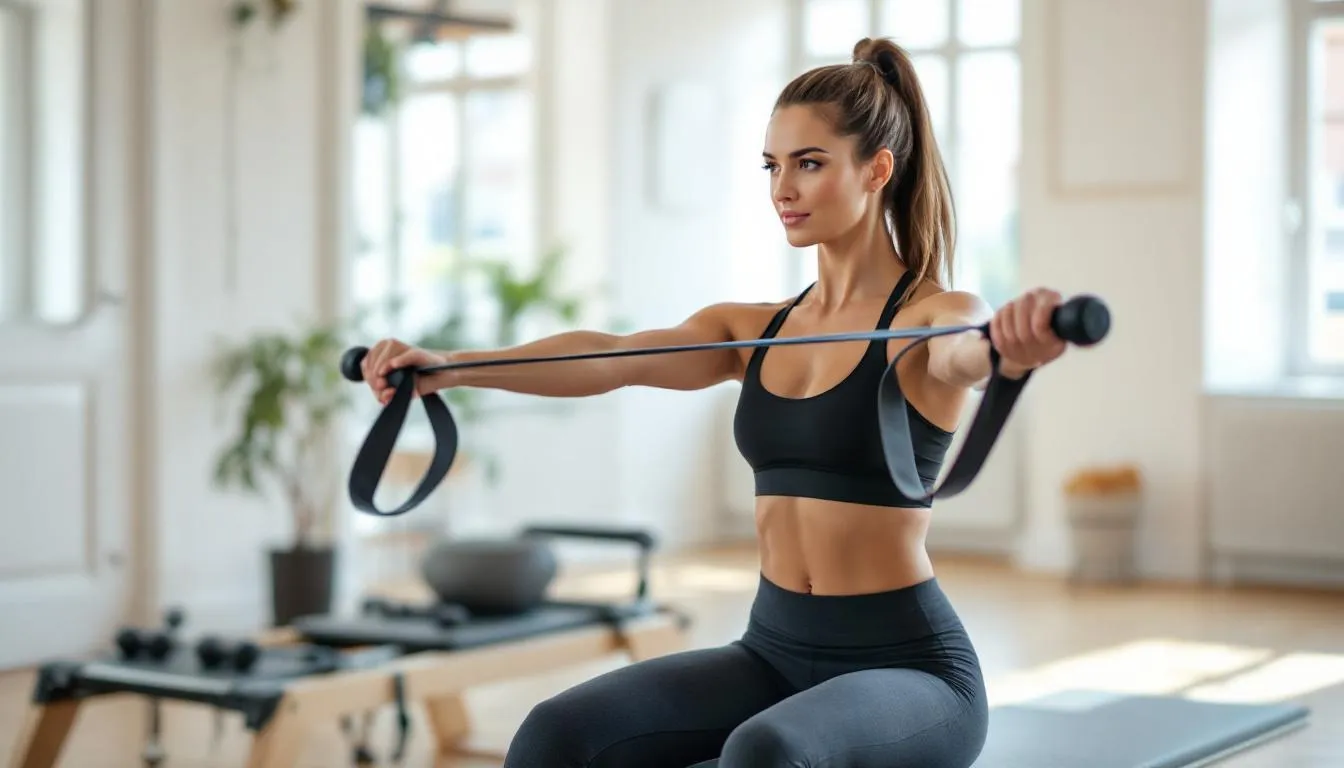
- Resistance bands for added tension
- Stability balls for balance challenges
- Multiple pieces of pilates equipment in circuit format
Focus on Continuous Movement
Design your own pilates sessions with:
- Pre-planned exercise sequences to minimize transition time
- Flowing movements that connect one exercise to the next
- Time-based intervals (30-60 seconds per exercise)
- Compound movements that work multiple muscle groups simultaneously
The key is maintaining pilates’ emphasis on controlled movement and breath control while increasing the overall pace and minimizing rest periods. A qualified instructor can help you modify exercises appropriately for your fitness level while maximizing cardiovascular benefits.
Combining Pilates with Traditional Aerobic Exercise
For most people, the optimal approach involves integrating pilates with conventional cardio exercises rather than relying on pilates alone to meet aerobic activity guidelines. This combination maximizes both cardiovascular health and functional strength benefits.
Complementary Training Schedule
A balanced fitness program might include:
- 2-3 pilates sessions per week for core strength, flexibility, and body awareness
- 150 minutes of moderate-intensity aerobic exercise per week (as recommended by health authorities)
- 2 days of additional strength training focusing on major muscle groups not emphasized in pilates
Same-Day Combinations
Pilates integrates well with cardio workouts on the same day:
- Pre-workout: Use 10-15 minutes of pilates as a dynamic warm-up to activate core muscles and improve movement quality
- Post-workout: Incorporate pilates stretches and core work as an active cool-down after cardio sessions
- Cross-training: Alternate between cardio intervals and pilates exercises in circuit format
Active Recovery Applications
Pilates serves excellently as active recovery between higher-intensity cardio workouts:
- Maintains movement and blood flow without high cardiovascular stress
- Addresses muscle imbalances created by repetitive cardio activities
- Provides mental variety while continuing physical activity
- Supports injury prevention through improved movement patterns
Sport-Specific Integration
For athletes and fitness enthusiasts, pilates enhances performance in aerobic activities:
- Runners: Core stability improves running efficiency and reduces injury risk
- Cyclists: Better posture and core strength enhance power transfer and endurance
- Swimmers: Improved body awareness and breathing patterns translate to better technique
Weight Management Considerations
While pilates provides numerous health benefits, those primarily seeking to lose weight may need additional cardiovascular exercise for optimal caloric expenditure. However, the muscle mass gained through pilates can boost metabolic rate and support long-term weight maintenance.
The body mass index improvements seen in research studies suggest that pilates can contribute to healthy weight management when combined with appropriate nutrition and additional physical activity.
Health Condition Adaptations
For people with health conditions like high blood pressure, heart disease, or joint problems, pilates often serves as an ideal entry point to exercise. The low-impact nature and scalable intensity make it accessible while building strength and fitness capacity for eventual integration of more vigorous aerobic activities.
Working with healthcare providers and qualified instructors ensures safe progression from pilates-only routines to comprehensive fitness programs that include appropriate levels of aerobic exercise.
Creating Your Personalized Program
The most effective approach considers your individual goals, fitness level, time availability, and preferences. Whether you’re a beginner looking to build foundational strength or an experienced athlete seeking performance enhancement, pilates can play a valuable role in a well-rounded exercise program that includes adequate aerobic activity for overall physical health and cardiovascular endurance.