
Many fitness enthusiasts wonder whether their pilates class counts as resistance training or if they need to add weight lifting to their exercise routine. The answer might surprise you: Pilates absolutely qualifies as a form of resistance training, but with unique characteristics that set it apart from traditional weight training. As a form of exercise, Pilates stands out among various fitness methods for its focus on controlled movements, flexibility, and core strength.
Understanding whether pilates is resistance training requires examining how this low impact exercise challenges your muscles, builds strength, and promotes muscle development. Throughout this comprehensive guide, we’ll explore how pilates exercises provide resistance, compare pilates workouts to traditional strength training methods, and reveal why both pilates and conventional weight training can work together to help you build muscle mass and improve overall fitness. We’ll also highlight other benefits of Pilates, such as improved movement quality, enhanced body awareness, and the variety it brings to your exercise routine.
Understanding Pilates as Resistance Training
Pilates qualifies as resistance training when exercises challenge muscles against external forces including body weight, springs, bands, or additional weight. The fundamental definition of resistance training encompasses any exercise that works muscles against a resistive force to build strength and endurance, making pilates a legitimate form of strength training.
Traditional strength training includes any physical activity where muscles contract against an external resistance with the goal of building muscle strength, muscle tone, muscle mass, and muscular endurance. By this definition, pilates exercises clearly fall within the resistance training category.
Mat pilates uses body weight resistance through controlled movements that challenge various muscle groups. When you perform exercises like leg circles, push ups, or toe taps, your muscles work against gravity and your own body weight to create the resistance necessary for strength building.
Equipment-based pilates incorporates spring tension and adjustable resistance through specialized apparatus. The reformer machine, Cadillac towers, and other reformer equipment use spring-based resistance systems that can be adjusted from light to heavy resistance, allowing for progressive overload similar to traditional weightlifting. These machines provide added resistance through straps and springs, which enhances muscle engagement and increases the challenge and effectiveness of each exercise.
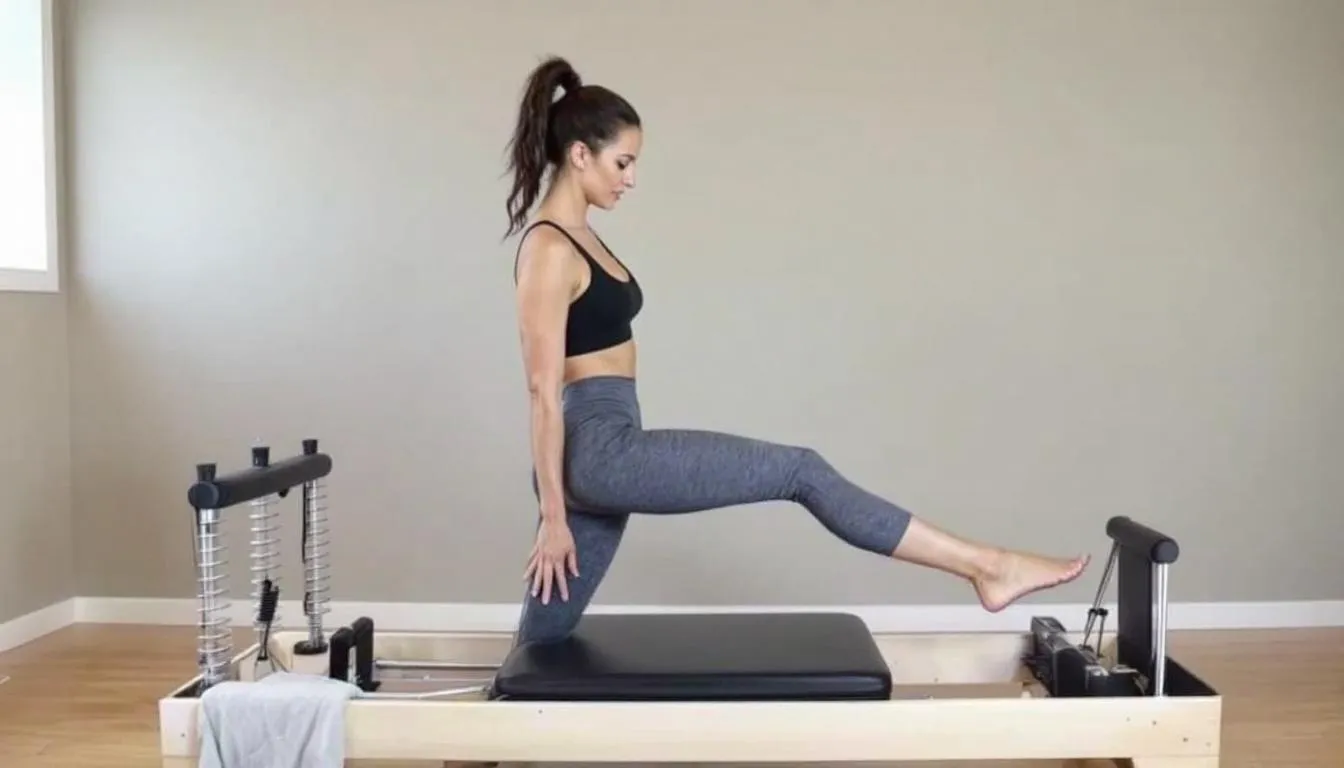
Joseph Pilates originally designed his method with resistance equipment to aid rehabilitation and strengthen muscles progressively. He developed apparatus using springs and moving platforms specifically to provide controlled resistance that would help patients and practitioners build core strength while maintaining proper form and alignment throughout each movement. Pilates often emphasizes small movements, using slow, precise, and deliberate actions to engage muscles effectively without relying on large, momentum-driven motions.
How Pilates Provides Resistance
Body weight resistance forms the foundation of mat pilates through movements like planks, push ups, single leg circles, and bridge exercises that challenge multiple muscle groups simultaneously. These pilates exercises require your muscles to work against gravity and support your body weight in various positions, creating effective resistance for building strength.
Reformer machines use spring-based resistance systems with adjustable tension levels from light to heavy resistance. The reformer equipment allows instructors to modify the resistance by adding or removing springs, changing the angle of the carriage, or adjusting your starting position. This variable resistance system enables progressive overload, a key principle for muscle growth and strength development.
Equipment like Cadillac towers, resistance bands, weighted props, and stability balls add external load to pilates movements. Many pilates classes incorporate small weights ranging from 1-3 pounds, resistance bands, and specialized props that increase the challenge and help build muscle mass more effectively than body weight alone.
Isometric holds and controlled movements create time under tension similar to traditional weight training. When you hold a position like a plank with feet flat on the floor and body straight, or maintain a teaser position with knees bent, your muscles must work continuously to maintain proper alignment. These sustained contractions contribute significantly to muscle development and core strength.
Gravity acts as resistance during exercises performed in different planes of movement. Pilates movements often work against gravity in unique ways, such as slowly lowering one leg while lying on your back or maintaining balance while standing on one leg. The focus on a slow, controlled descent—like when you slowly lower your hips during a bridge—ensures proper form and maximizes muscle engagement. This constant work against gravitational force provides consistent resistance throughout your workout. These movements not only build strength but also help improve mobility by enhancing flexibility and joint range of motion.
Pilates vs Traditional Resistance Training
Similarities Between Methods
Both methods challenge muscles against resistance to fatigue and promote strength adaptations. Whether you’re performing pilates exercises or lifting heavy weights, your muscles must overcome resistance to complete each repetition. This fundamental principle applies to both pilates and traditional strength training approaches.
Progressive overload principles apply to both systems – resistance must increase over time to continue building strength. In pilates, you can progress by advancing from beginner to intermediate exercise variations, increasing spring tension on reformer equipment, or adding additional weight to movements. Traditional weight training achieves progressive overload by gradually increasing the weight lifted.
Exercises target major muscle groups including core muscles, glutes, shoulders, arms, and legs. Both pilates workouts and traditional strength training can effectively work all your muscles when properly programmed. Pilates movements like leg circles target the hip flexors and core, while exercises like push ups work the chest, shoulders, and arms.
Both improve muscular endurance, functional strength, and movement quality when practiced with regular practice. Studies show that consistent training with either method leads to increased muscle strength, better balance, improved posture, and enhanced overall fitness. The key is maintaining a consistent fitness routine with either approach.
Key Differences in Approach
Traditional resistance training typically uses heavier loads (60-85% of one repetition maximum) while pilates uses moderate resistance with higher repetitions. Heavy lifting focuses on building maximum strength and muscle mass, whereas pilates emphasizes muscle endurance and functional movement patterns through repetitive movements with lighter resistance.
Pilates emphasizes controlled movements, alignment, and mind body connection versus maximal load lifting. Every pilates movement requires concentration, precise form, and coordinated breathing. This focus on movement quality and the mind body connection sets pilates apart from traditional weightlifting, where the primary goal is often moving the heaviest weight possible.
Weight training focuses on isolated muscle groups while pilates integrates multiple muscle systems simultaneously. Traditional strength training often targets specific muscles (like bicep curls for arms), while pilates exercises typically engage the core muscles along with other muscle groups in integrated movement patterns.
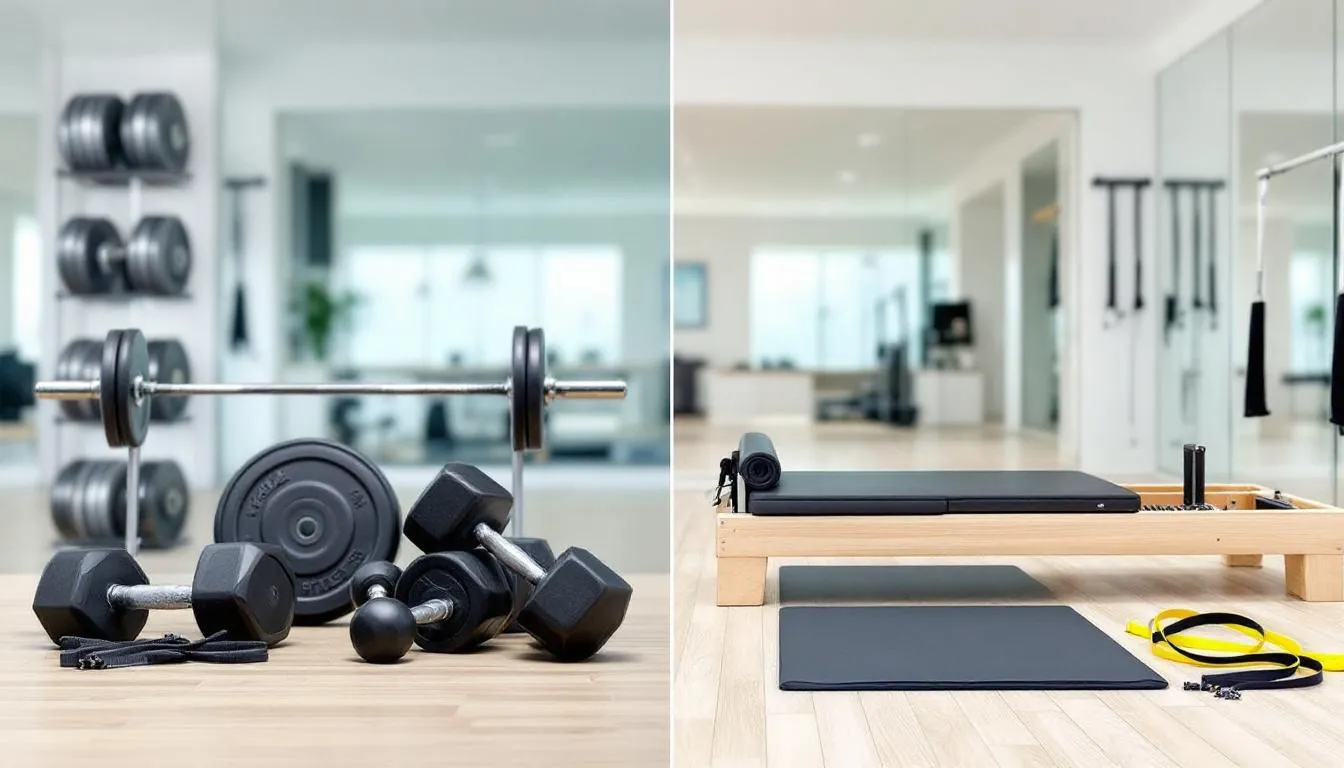
Pilates incorporates breathing patterns and core stabilization throughout all movements. Unlike many traditional strength training exercises where breathing may be secondary, pilates requires coordinated breath work that enhances the effectiveness of each exercise and promotes better core strength development.
Building Strength with Pilates
Progressive Overload in Pilates
Increase resistance by advancing from beginner to intermediate to advanced exercise variations. As you develop better core strength and movement control, you can progress to more challenging pilates exercises that require greater strength, balance, and coordination. This progression provides the overload necessary for continued muscle development.
Add external resistance through weights, resistance bands, or heavier spring settings on equipment. Many pilates classes incorporate small weights (1-3 pounds) or resistance bands to increase the challenge. On reformer equipment, instructors can adjust spring tension to provide additional resistance as your strength improves.
Extend hold times for isometric exercises from 15 seconds to 30-60 seconds. Increasing the duration of holds during exercises like planks or single-leg stands challenges your muscular endurance and promotes strength gains. This time-under-tension approach is particularly effective for building core strength and stability.
Increase repetition ranges from 5-8 reps to 10-15 reps as strength improves. As your muscles adapt to pilates exercises, performing more repetitions provides additional challenge and promotes muscular endurance. This approach helps build muscle tone and functional strength for daily activities.
Combine multiple exercises into flowing sequences to challenge endurance. Advanced pilates workouts often link several exercises together without rest, creating flowing sequences that challenge your cardiovascular system while maintaining the strength-building benefits of individual movements.
Muscle Development Benefits
Core muscles including the transverse abdominis, rectus abdominis, and obliques strengthen significantly through consistent pilates practice. Research shows that pilates is particularly effective for building core strength and improving the function of deep stabilizing muscles that support proper posture and spinal alignment.
Postural muscles develop better endurance leading to improved spinal alignment and reduced back pain. The emphasis on proper alignment and controlled movements in pilates helps strengthen the small muscles that support good posture throughout daily activities. Regular practice can lead to increased bone density and better overall spinal health.
Small stabilizing muscles around joints strengthen, improving overall movement stability. Pilates exercises challenge balance and proprioception, requiring activation of smaller muscle groups that often go untrained in traditional weight training. This improved stability transfers to better performance in other exercises and daily activities.
Muscle tone and definition improve through consistent training 2-3 times per week. While pilates may not build muscle mass as dramatically as heavy lifting, it effectively improves muscle tone and creates a lean, defined appearance. The combination of strength work and flexibility training contributes to improved muscle development and body composition.
Functional strength transfers to daily activities like lifting, carrying, and sports performance. The integrated nature of pilates movements means the strength you build translates well to real-world activities. Unlike isolated muscle training, pilates develops strength in movement patterns that mirror everyday tasks.
Types of Pilates Resistance Training
Mat-Based Pilates
Mat pilates uses body weight resistance through exercises like hundreds, roll-ups, single leg stretches, and teaser movements. These fundamental pilates exercises require no equipment beyond a mat, making this form of strength training accessible and convenient for home practice or travel.
This approach incorporates small props including resistance bands, pilates balls, magic circles, and light weights (1-3 lbs). These additions can transform basic mat exercises into more challenging strength training movements while maintaining the pilates emphasis on controlled movements and proper form.
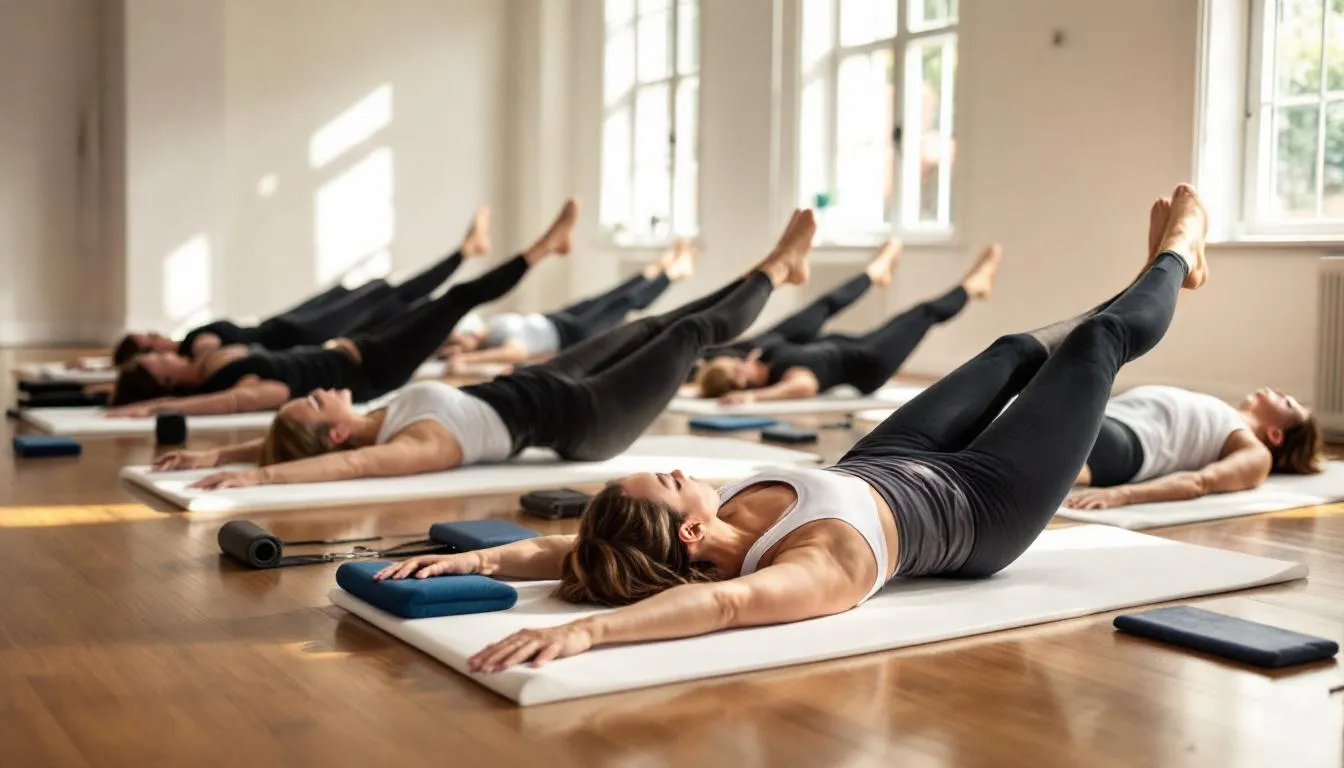
Mat pilates focuses on core stabilization while arms and legs move through various range of motion. The challenge comes from maintaining a stable core while moving your limbs in different directions, creating functional strength that improves coordination and body awareness.
This format is accessible for beginners and can be modified by adjusting lever lengths and exercise complexity. Instructors can make exercises easier by shortening lever arms or more challenging by extending limbs further from the body’s center. This adaptability makes mat pilates suitable for all fitness levels.
Equipment-Based Pilates
Reformer machines provide spring resistance ranging from 1-5 springs with varying tensions. The reformer equipment allows for precise adjustment of resistance levels, making it possible to create workouts that challenge advanced practitioners while remaining accessible to beginners. This adjustability is one of the key advantages of equipment-based pilates for building strength.
Cadillac/Tower units offer overhead resistance for advanced strengthening exercises. These apparatus provide options for resistance training that simply aren’t possible in mat pilates, including overhead pulling and pushing movements that challenge the upper body and core in unique ways.
Chair exercises challenge balance and unilateral strength through spring-loaded pedals. The pilates chair requires significant core strength and balance while working one side of the body at a time, making it an excellent tool for addressing muscle imbalances and building functional strength.
Barrel work targets spinal extension and lateral flexion with gravity and body positioning as resistance. The curved surface of the barrel apparatus allows for exercises that stretch and strengthen the spine in ways that aren’t possible on a flat mat, providing additional benefits for posture and spinal health.
Who Should Use Pilates for Resistance Training
Beginners to exercise who need to build foundational strength and movement patterns safely can benefit tremendously from pilates as their introduction to resistance training. The controlled, low-impact nature of pilates exercises makes it an ideal starting position for those new to fitness or returning after injury.
Individuals recovering from injuries who require low impact exercise options often find pilates to be the perfect form of strength training during rehabilitation. A personal trainer or physical therapist can modify pilates exercises to work around limitations while still providing effective resistance training for building strength.
Athletes seeking to improve core strength, movement efficiency, and injury prevention increasingly incorporate pilates into their training routines. The focus on proper alignment, balance, and controlled movements complements high-intensity sports training and can help reduce injury risk.
Older adults who benefit from functional strength training that maintains bone density and balance find pilates particularly valuable. The resistance provided by pilates exercises can help maintain and even improve bone density while the balance challenges help prevent falls and maintain independence.
People with joint limitations who need resistance training without high-impact stress appreciate pilates’ gentle approach to strength building. The controlled movements and adjustable resistance allow individuals to build strength without aggravating existing joint problems or creating new ones.
Combining Pilates with Traditional Resistance Training
Use pilates 1-2 times per week as active recovery between heavy lifting sessions. The controlled movements and stretching elements of pilates can help promote recovery while still providing beneficial resistance training. This approach allows you to maintain training frequency while giving your nervous system a break from heavy weights.
Schedule pilates after weight training to improve flexibility and address muscle imbalances. The emphasis on alignment and balanced muscle development in pilates makes it an excellent complement to traditional strength training, which can sometimes create or worsen muscle imbalances if not properly programmed.
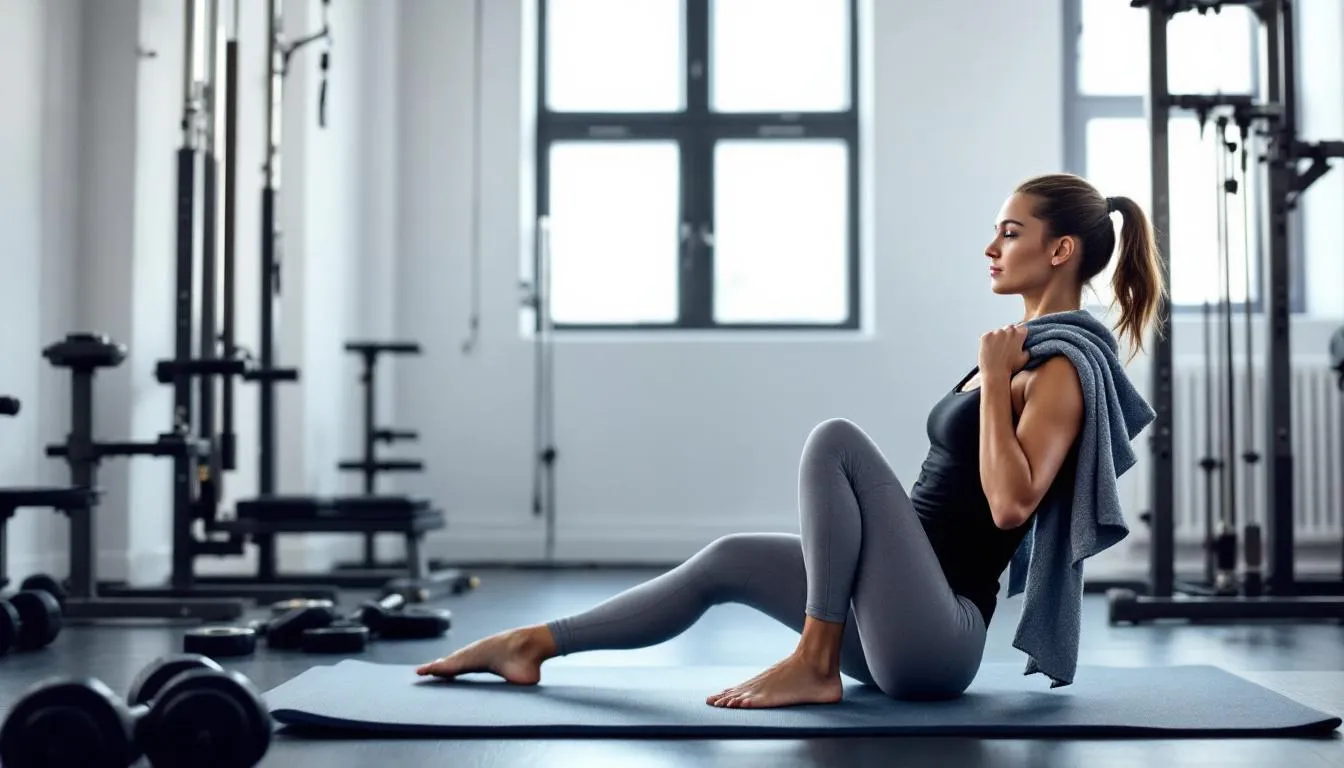
Alternate pilates and weight training days for balanced strength development and movement quality. This approach ensures you’re getting the muscle mass benefits of heavy lifting while also developing the functional strength, flexibility, and movement quality that pilates provides.
Incorporate pilates warm-ups before weight training to activate core stabilizers and improve movement preparation. Starting your weight training sessions with pilates-inspired movements can help ensure proper activation of stabilizing muscles and improve your form during heavier lifts.
Combine both methods in periodized programs – use pilates during deload weeks and weights during strength phases. This systematic approach allows you to maintain your fitness routine year-round while varying the stimulus to promote continued adaptation and prevent burnout.
The integration of both pilates and traditional weight training provides additional benefits that neither method alone can achieve. While traditional weightlifting excels at building maximum muscle mass and strength, pilates contributes improved movement quality, core stability, and injury prevention. Together, they create a comprehensive approach to fitness that addresses all aspects of physical development.
Regular practice of both methods can lead to improved body composition, better functional movement, enhanced athletic performance, and reduced risk of injury. The key is finding the right balance based on your individual goals, schedule, and preferences.
Whether you choose to focus primarily on one method or combine both approaches, remember that consistency is the most important factor for achieving results. Both pilates and traditional resistance training require regular practice to produce meaningful changes in strength, muscle tone, and overall fitness.
The question “is pilates resistance training” has a clear answer: yes, pilates absolutely qualifies as a legitimate form of resistance training with unique benefits that complement traditional weight training methods. By understanding how pilates provides resistance and how it compares to other forms of strength training, you can make informed decisions about incorporating pilates into your fitness routine for optimal results.
Common Mistakes to Avoid in Pilates
When incorporating Pilates into your exercise routine, steering clear of common mistakes is essential for maximizing your strength training results and building true muscle strength. Even though Pilates is a low impact exercise, it’s still a powerful form of strength training that can help you build muscle mass, improve core strength, and enhance your overall fitness—if done correctly.
One of the most frequent mistakes is neglecting to properly engage your core muscles during Pilates exercises. Without a strong core connection, you risk poor form and miss out on the full strength building benefits. Always focus on drawing your navel toward your spine, keeping your body straight, and ensuring your feet are flat on the mat or reformer equipment. This mindful engagement helps activate all your muscle groups and supports effective muscle growth.
Another pitfall is rushing through movements instead of practicing controlled movements. Pilates workouts are designed to be slow and deliberate, allowing you to target specific muscles and build muscular endurance. Avoid jerky or rushed motions, which can strain your joints and reduce the effectiveness of your workouts. Instead, move with intention, maintaining control and focus throughout each exercise to truly build muscle and improve muscle tone.
Failing to incorporate progressive overload is another common error. Just like in traditional strength training or weight training, your muscles need to be continually challenged to grow stronger. In Pilates, you can add resistance bands, increase repetitions, or adjust the springs on reformer equipment to add resistance and promote muscle development. This gradual increase in challenge is key to building muscle mass and achieving long-term fitness gains.
It’s also important not to ignore your body’s signals. Pushing through pain or discomfort can lead to injury and set back your progress. Pilates should challenge you, but never cause pain. Listen to your body, modify exercises as needed, and prioritize the mind body connection to ensure safe and effective workouts.
Lastly, sticking to the same routine without variety can lead to plateaus and boredom. To keep your fitness routine fresh and your muscles adapting, mix up your Pilates exercises, try new equipment, or even blend Pilates with weight training or other forms of strength training. This variety not only keeps you motivated but also ensures you’re working all your muscles and continually building strength.
By avoiding these common mistakes and focusing on proper form, controlled movements, and progressive overload, you’ll get the most out of your Pilates workouts. This approach will help you build muscle, increase core strength, and enjoy all the benefits of this unique form of strength training as part of a balanced, effective fitness routine.