
The home fitness revolution has transformed how millions approach their wellness routines, with home pilates emerging as one of the most effective low-impact exercises you can practice anywhere. Since the pandemic sparked a 400% surge in at-home workout adoption, more people are discovering that pilates at home offers the same core-strengthening benefits as expensive studio classes – without the commute, scheduling constraints, or hefty membership fees. While high end studios provide a luxury experience with advanced equipment and amenities, you can still achieve excellent results and a toned physique from the comfort of your own home.
Developed by Joseph Pilates in the 1920s as “Contrology,” this holistic exercise system focuses on controlled movements that strengthen your core muscles, improve posture, and enhance full body flexibility. Pilates is also renowned for helping to sculpt and tone your figure, making it a popular choice for those seeking a leaner, more defined body shape. Whether you’re a complete beginner or looking to maintain your existing pilates practice from the comfort of your living room, this comprehensive guide will show you everything you need to know about creating an effective home pilates routine.
From essential equipment recommendations to troubleshooting common challenges, you’ll discover how to transform any space into your personal pilates studio and build the consistent practice that delivers real results for your health and fitness goals.
What is Home Pilates and Why Should You Try It?
At its core, pilates is a mind-body exercise system that Joseph Pilates developed in the early 20th century to help injured soldiers and dancers recover through controlled, precise movements. The method emphasizes six fundamental principles: breathing, concentration, centering, control, precision, and flow. These principles work together to create a workout that strengthens your entire body while improving mental focus and body awareness.
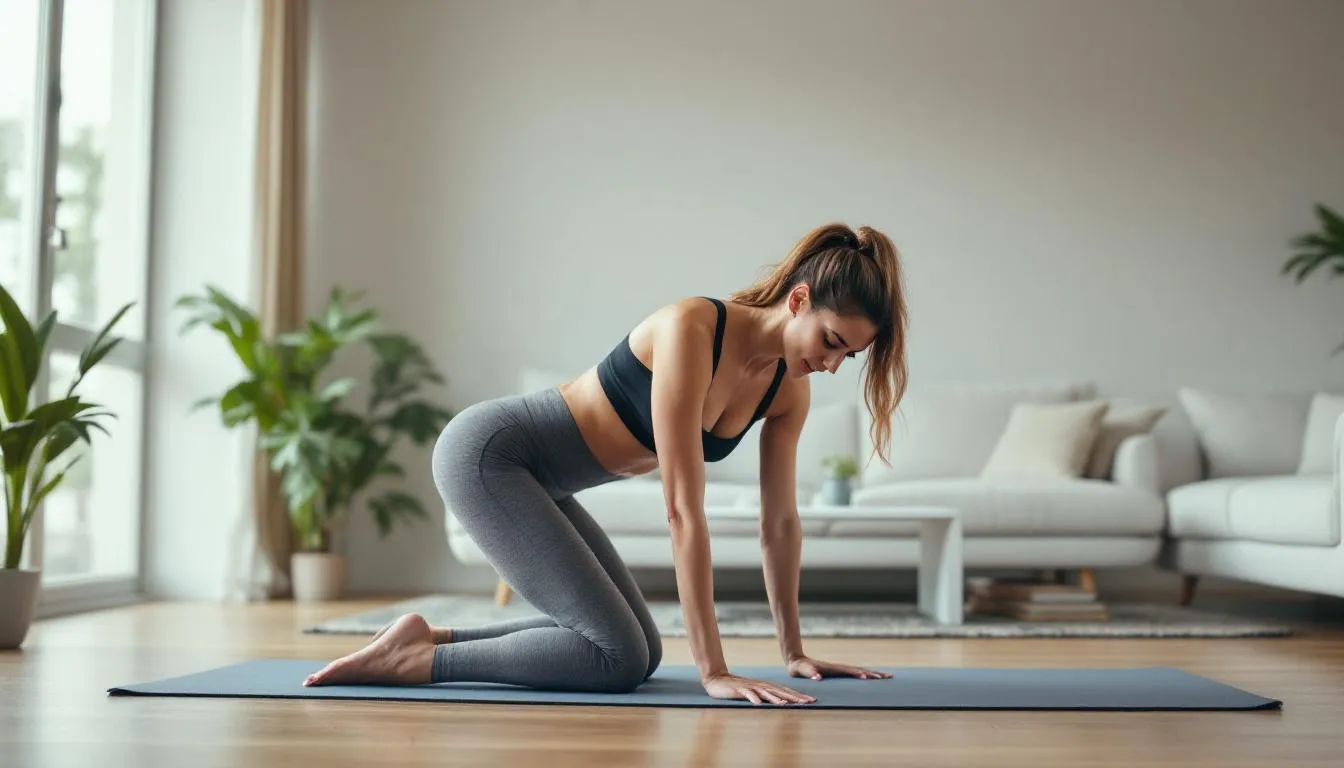
Home pilates offers numerous advantages over traditional studio classes. First, the convenience factor cannot be overstated – you can practice pilates whenever your schedule allows, whether that’s a quick morning session before work or a relaxing evening routine. The cost savings are significant too, as studio classes typically range from $25-40 per session, while a monthly online pilates subscription costs around $18.
Research shows that regular pilates practice delivers measurable benefits including 12-25% improvement in core strength and up to 40% reduction in lower back pain within 8-12 weeks. The low impact nature makes it suitable for all fitness levels and ages, while the focus on proper alignment helps counteract the negative effects of prolonged sitting that plague so many desk workers. Pilates is often recommended by fitness professionals and women’s health experts for its holistic benefits, making it an excellent choice for overall well-being.
Compared to studio classes, at home pilates workouts offer the same fundamental benefits when performed with proper form and consistency. While you may miss the hands-on corrections from an instructor, online platforms now provide detailed cues and modifications that help ensure you’re performing exercises safely and effectively.
Benefits of Pilates Workout
Pilates workouts deliver a wide range of benefits that go far beyond just building a strong core. By regularly practicing pilates exercises, you’ll notice improvements in your core strength, flexibility, and overall posture—key factors for a healthy, pain-free body. Pilates is designed as a full body workout, targeting not only your core muscles but also your arms, legs, and glutes, ensuring balanced muscle development and functional strength.
One of the standout benefits of pilates is its ability to support weight loss and body toning without the high impact of traditional cardio or weightlifting routines. Because pilates workouts are low impact, they’re gentle on your joints, making them an excellent exercise option for those recovering from injury or managing chronic pain. Many people find that regular pilates practice helps reduce back pain, improve balance, and increase body awareness, all while enhancing overall fitness.
Whether you’re practicing pilates at home or attending pilates studios, the focus on controlled movement and proper alignment helps you build strength safely and effectively. Over time, you’ll notice better posture, increased flexibility, and a stronger, more resilient body. With so many benefits, it’s easy to see why pilates has become a go-to workout for people of all ages and fitness levels.
Essential Equipment for Your Home Pilates Studio
Starting your home pilates journey doesn’t require a significant investment in equipment. The most crucial item is a quality exercise mat with proper thickness – aim for 6-8mm to provide adequate cushioning for your spine during floor exercises. A good mat prevents slipping and creates a dedicated space that mentally prepares you for your workout. Many pilates exercises rely solely on your bodyweight for resistance, making them accessible and effective without the need for extra equipment.
For beginners, optional props can enhance your practice without breaking the budget. A resistance band ($10-15) adds variety to arm and leg exercises, while a small stability ball ($15-20) helps with balance challenges and core activation. A Pilates ring, also called a magic circle ($20-30), provides resistance for upper body strengthening and can make certain exercises more challenging.
As you progress, consider adding slider discs ($15), light dumbbells in the 3-5 pound range ($20-30), and a foam roller for post-workout recovery ($25-40). These tools expand your exercise repertoire and allow for more advanced variations as your strength and coordination improve.
Budget-conscious practitioners can get creative with household items. Thick towels work surprisingly well as slider alternatives on hard floors, while water bottles filled to your desired weight serve as dumbbells. A sturdy pillow can substitute for a stability ball in some exercises, and resistance bands offer the most exercise variety for the lowest cost.
Popular equipment sources include Amazon for variety and convenience, Target for affordable basic items, and local sporting goods stores where you can feel the quality before purchasing. Many online pilates platforms also sell equipment bundles specifically designed for their programs.
The Importance of Exercise Mat Quality
A high-quality exercise mat is the foundation of any successful at home pilates practice. When you’re performing pilates workouts on a hard floor, the right mat provides essential cushioning and support, protecting your joints and spine during mat pilates routines. Investing in a durable, thick mat—ideally 6-8mm—ensures you can focus on your pilates routine without discomfort or distraction.
Look for an exercise mat that’s not only thick and supportive but also made from eco-friendly materials for a more sustainable pilates practice. A quality mat will stay in place during dynamic movements, giving you the stability needed for both basic and advanced pilates exercises. Whether you’re using small props or simply practicing mat pilates, a good mat enhances your comfort and safety, allowing you to fully engage in your pilates workouts at home.
Ultimately, the right exercise mat transforms any space into a welcoming pilates studio, making it easier to stay consistent with your pilates practice. Don’t underestimate the impact of this simple piece of equipment—it’s a small investment that pays off in every workout.
Setting Up Your Perfect Home Pilates Space
Creating an effective home pilates environment requires surprisingly little space. A minimum area of 6×8 feet allows for full body movement in all directions, though you can modify most exercises for smaller spaces if needed. The key is having enough room to extend your arms and legs without hitting furniture or walls, and to stretch your body fully during pilates exercises.
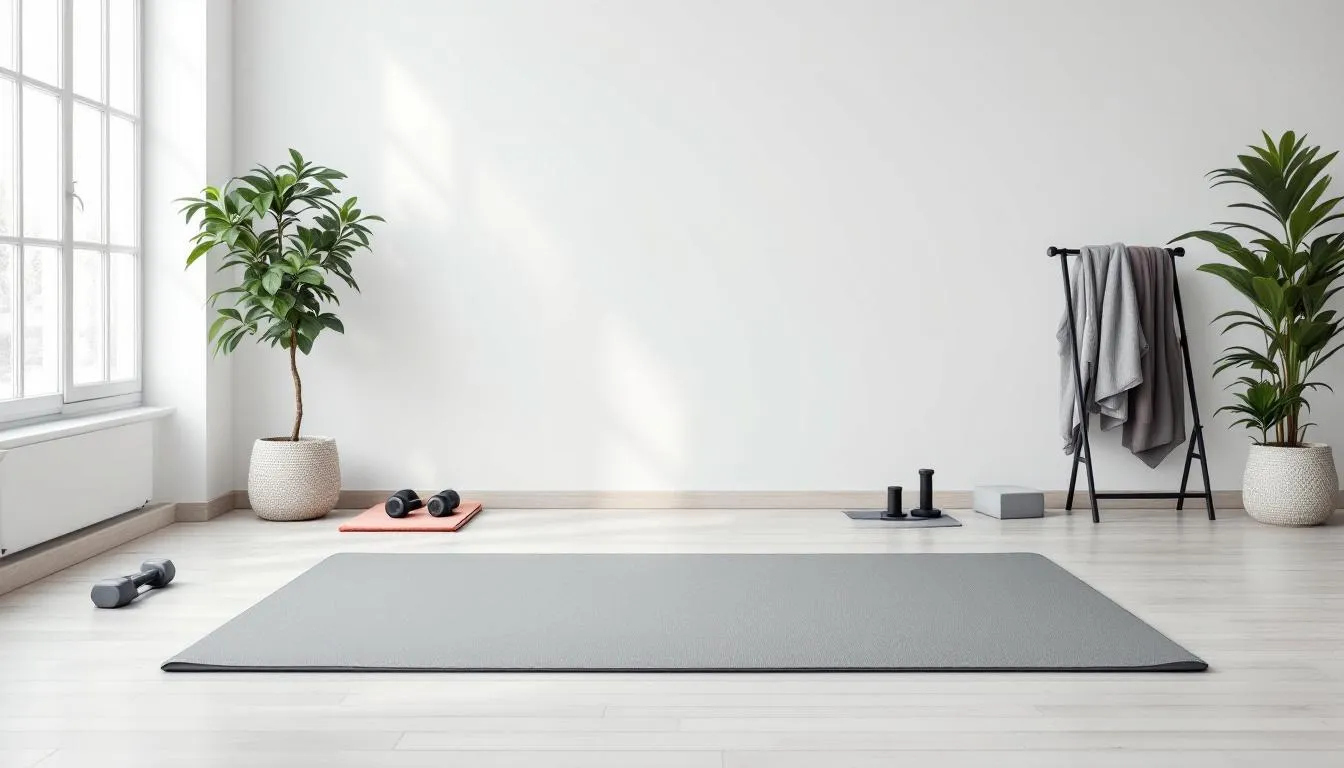
Flooring considerations impact both safety and comfort during your pilates workout. Hardwood floors provide stability for standing exercises but may be too firm for extended floor work without a quality mat. Carpet offers natural cushioning but can cause balance challenges and make slider exercises impossible. Tile floors work well with proper matting but ensure your mat has good grip to prevent sliding.
Lighting and ventilation significantly affect your workout quality. Natural light creates an energizing atmosphere for morning sessions, while softer lighting works better for evening wind-downs. Adequate ventilation prevents overheating and maintains air quality, especially important since pilates emphasizes proper breathing techniques.
Technology setup has become increasingly important as more people rely on streaming classes. Position your device at eye level when possible to maintain proper neck alignment during exercises. Ensure strong WiFi connectivity to prevent frustrating interruptions mid-workout. Consider investing in a bluetooth speaker for better audio quality, as hearing instructor cues clearly is crucial for proper form.
Storage solutions keep your space organized and welcoming. Wall-mounted racks hold mats vertically, while decorative baskets can house smaller props. The goal is creating a space that feels inviting rather than cluttered, encouraging consistent practice rather than creating barriers.
Best Home Pilates Workouts by Duration
The beauty of home pilates lies in its adaptability to any schedule. Short, focused sessions often prove more beneficial than sporadic longer workouts, making consistency achievable even for the busiest individuals.
10-Minute Morning Energizers work perfectly for busy weekdays. These quick sessions focus on core activation, engaging the abs to tone and strengthen your abdominal muscles, and spinal mobility to prepare your body for the day ahead. A typical routine might include the Pilates hundred for breathing and core warm-up, gentle spinal rolls to mobilize your vertebrae one by one, and standing posture exercises to set proper alignment.
20-Minute Lunch Break Sessions offer substantial full body benefit without requiring a full shower afterward. These intermediate-level workouts typically combine core strengthening with leg and arm exercises, and often include moves that target the butt for lower body toning and improved posture. You might start with mat-based core work, progress to single leg exercises for stability, and finish with upper body strengthening using small props.
30-45 Minute Comprehensive Classes allow for complete pilates workouts that thoroughly challenge your entire body. These sessions include proper warm-up, progressive strengthening sequences with a focus on upper body muscles like the triceps, flexibility work, and cool-down stretches. Advanced practitioners can incorporate multiple pieces of equipment and more challenging exercise variations.
Weekend Hour-Long Sessions provide time for deeper practice, combining strength building with extensive flexibility work. These classes often include longer holds, multiple sets, and complex movement patterns that build both physical stamina and mental concentration.
5-Minute Evening Wind-Downs help transition from day to night with gentle stretches that release tension and prepare your body for rest. Focus on breathing exercises, gentle spinal movements, and stretches that counteract the day’s postural stresses.
Top Online Platforms for Home Pilates
The explosion of online pilates content means you have access to world-class instruction from your living room. Free options provide excellent starting points without financial commitment. YouTube channels like Blogilates offer energetic, beginner-friendly classes, while Move with Nicole provides classical pilates instruction with clear form cues. Boho Beautiful combines pilates with yoga elements for a more holistic approach.
Paid subscription services typically offer more structured programs and higher production quality. Many platforms also feature other pilates workouts that incorporate different equipment or advanced variations, allowing for progression and variety in your routine. Pilates Anytime ($18/month) features classes from renowned instructors with filtering options by level, duration, and focus area. Daily Burn includes pilates within its broader fitness platform, while Alo Moves combines pilates with yoga and meditation for comprehensive wellness programming.
Mobile apps bring convenience to your practice with downloadable content that doesn’t require internet connectivity. Down Dog Yoga includes a dedicated pilates option with customizable sessions. Daily Yoga offers pilates-inspired classes, while specialized Pilates Workout apps focus exclusively on the discipline.
Live streaming options maintain the community aspect of studio classes while preserving home convenience. Many local pilates studios now offer Zoom classes, and Instagram Live sessions with favorite instructors create real-time interaction and motivation.
Hybrid approaches combine free and paid content for maximum variety and value. You might use free YouTube videos for daily practice while maintaining one paid subscription for structured programs and progression tracking.
Fundamental Pilates Exercises for Home Practice
Mastering fundamental pilates exercises creates the foundation for safe and effective home practice. These core movements teach proper form and body awareness while delivering significant strength and flexibility benefits. Remember to engage your pelvis and pelvic floor muscles during each exercise to enhance core stability and support postural alignment.
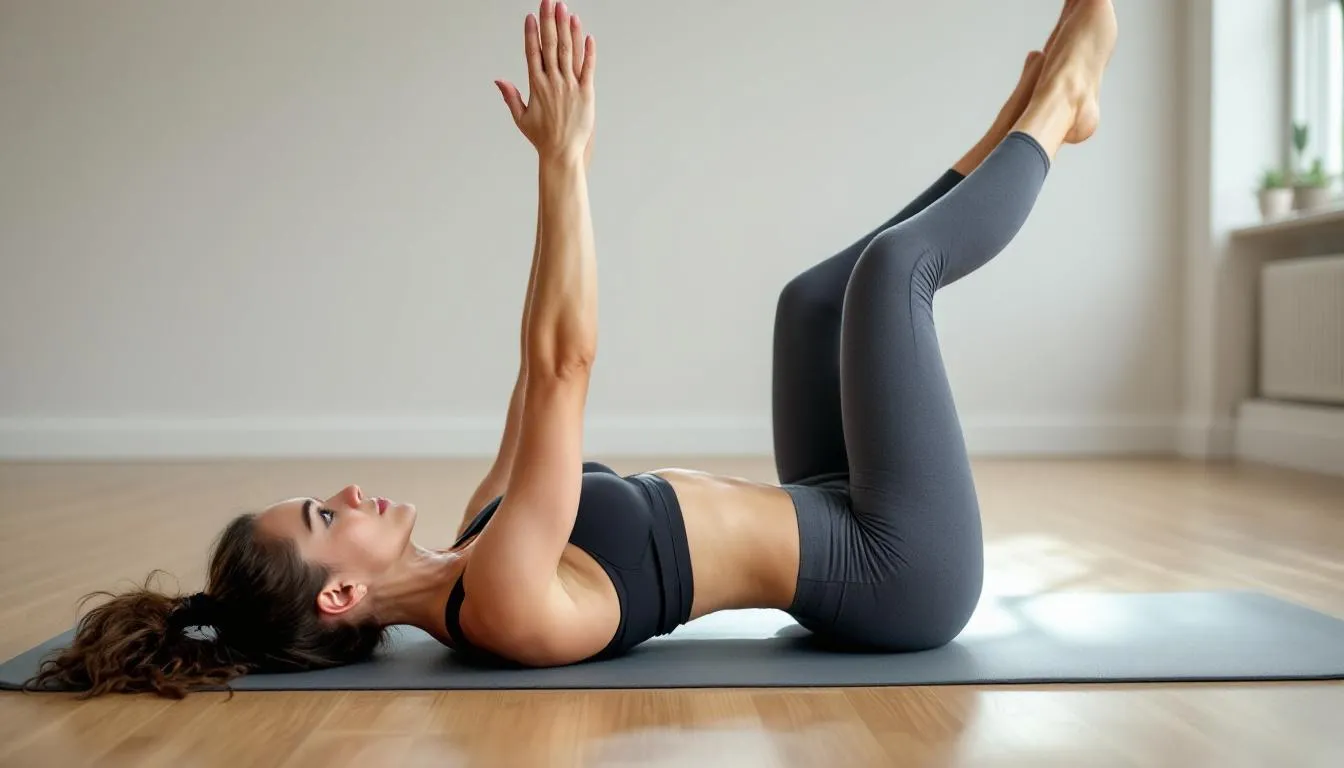
The Pilates Hundred serves as both breathing exercise and core warm-up. Lying on your mat with knees bent or legs straight (depending on your level), pump your arms while maintaining deep core engagement. For added intensity, try lifting your lower body or legs off the mat. This exercise teaches the breath patterns essential to all other pilates movements while activating your powerhouse muscles.
Roll-Up demonstrates the spinal articulation that defines quality pilates movement. Starting on your back with arms extended, slowly roll up one vertebra at a time until you’re reaching toward your feet. This exercise strengthens your entire core while improving spinal flexibility and teaching the controlled movement that prevents injury. To increase the challenge, consider lifting your legs slightly during the roll-up.
Single Leg Stretches challenge core stability while building leg coordination. From your starting position lying on your back, draw one knee toward your chest while extending the other leg. The alternating pattern develops unilateral strength and teaches your core muscles to maintain stability during dynamic movement. If you need a modification, try lifting one leg at a time instead of alternating both legs together.
Plank Variations provide full body strength challenges that translate to improved functional fitness. Whether performing traditional planks, side planks, or moving planks, these exercises engage your entire body while emphasizing the core strength that supports all daily activities. For extra support during a side plank, place your foot on the mat to enhance stability.
Modified Versions ensure accessibility for beginners and those with physical limitations. Every exercise can be adapted – use bent knees instead of legs straight, reduce range of motion, or add props for support. The key is maintaining the movement’s integrity while working within your current abilities.
Modifications for Beginners in At Home Settings
If you’re new to pilates at home, starting with beginner-friendly modifications is key to building confidence and preventing injury. Many pilates exercises can be adapted to suit your current fitness level. For example, you might begin with your legs straight on the mat, then progress to more challenging positions as your strength and flexibility improve.
Focusing on proper alignment, posture, and breathing is essential for getting the most out of your pilates workouts. Take your time to learn the basics—watch videos or follow online tutorials that break down each movement step by step. Pay attention to how your body feels, and don’t hesitate to modify exercises by reducing the range of motion or using props for extra support.
Remember, pilates practice is about quality over quantity. By starting with modifications and gradually increasing the challenge, you’ll build a strong foundation for your pilates routine. This approach not only helps you avoid injury but also ensures steady progress as you develop your core strength and overall fitness at home.
Home Pilates Safety and Form Tips
Proper form is paramount in pilates, as the method’s effectiveness depends on precise movement execution rather than speed or repetition count. Understanding key safety principles prevents injury and maximizes results from your at home pilates practice.
Breathing technique forms the foundation of safe pilates practice. The general rule is to exhale during the challenging portion of each exercise, which naturally engages your deep core muscles for spinal support. Avoid holding your breath, as this creates unnecessary tension and reduces oxygen flow to working muscles.
Alignment cues ensure your body maintains optimal positioning throughout each exercise. Keep your spine in neutral position unless the exercise specifically requires spinal movement. Draw your shoulder blades down and away from your ears, and maintain gentle engagement of your deep abdominal muscles without gripping or holding tension.
Modification guidelines help you adapt exercises to your current ability level. If you experience pain (as opposed to muscle challenge), immediately modify or skip that exercise. Pregnancy requires specific modifications – avoid lying on your back after the first trimester and focus on exercises that support changing posture and core function.
Common mistakes include rushing through movements instead of maintaining control, holding breath during challenging portions, and sacrificing form to complete more repetitions. Remember that pilates emphasizes quality over quantity – five perfectly executed movements provide more benefit than twenty sloppy ones.
Warning signs require immediate attention. Stop exercising if you experience sharp pain, dizziness, or shortness of breath beyond normal exertion. The difference between productive muscle fatigue and harmful pain becomes clearer with experience, but err on the side of caution when starting your practice.
Creating Your Home Pilates Routine
Consistency trumps intensity when building an effective pilates routine. For beginners, practicing 2-3 times per week allows your body to adapt while preventing overuse injuries. Advanced practitioners can benefit from daily practice, alternating between strength-focused and flexibility-focused sessions.
Weekly schedule suggestions should balance different movement patterns and intensity levels. A beginner might start with two 20-minute sessions focusing on fundamental exercises, gradually increasing duration and frequency as strength improves. More experienced practitioners can alternate between challenging 45-minute workouts and gentle 15-minute recovery sessions.
Progressive training ensures continuous improvement without plateaus. Start with basic exercises focusing on proper form and breathing. As movements become easier, increase duration before adding complexity. Advanced variations, additional equipment, or longer holds provide progression pathways for experienced practitioners.
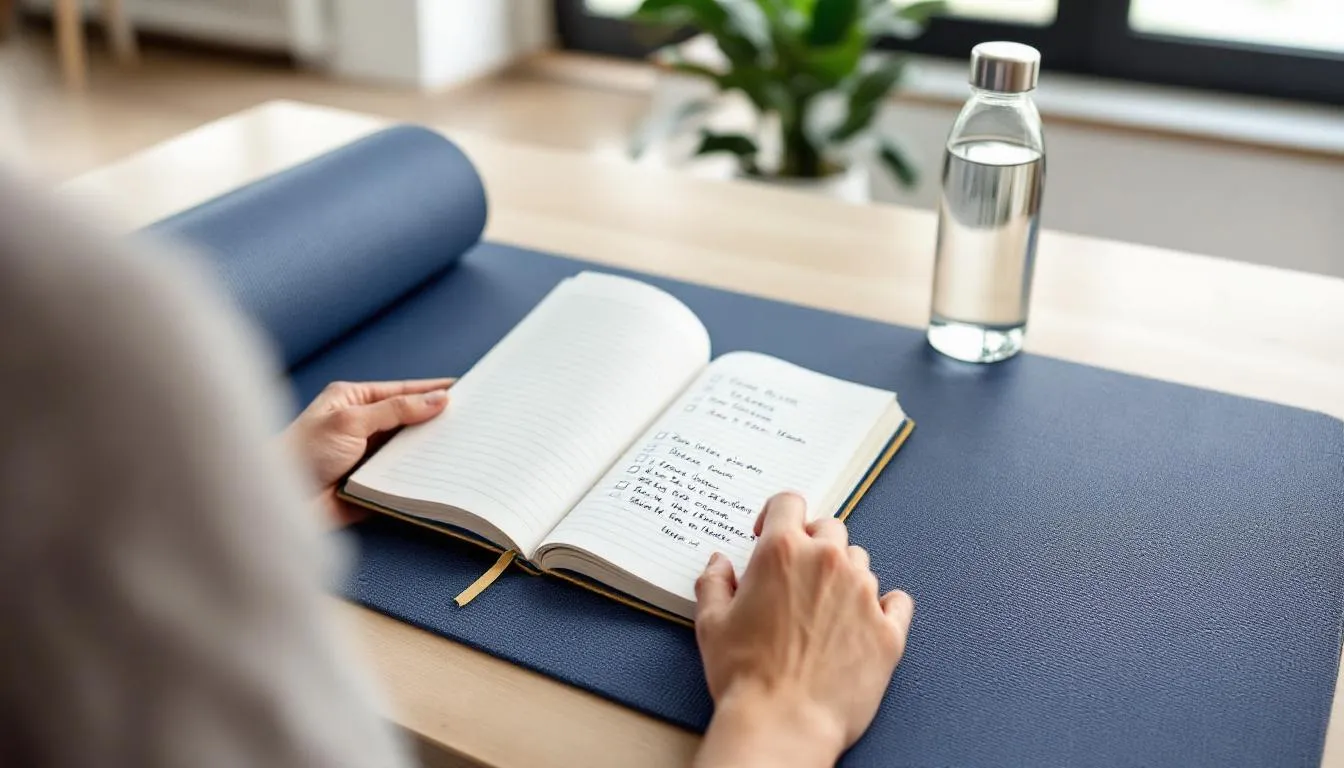
Tracking progress maintains motivation and identifies areas for improvement. Note which exercises feel challenging, track how long you can hold positions, and document improvements in flexibility or balance. Progress photos can reveal posture improvements that might not be apparent day-to-day.
Motivation strategies help maintain consistency when enthusiasm wanes. Set realistic goals based on frequency rather than intensity – committing to three 15-minute sessions per week is more sustainable than planning hour-long daily workouts. Find an accountability partner, whether a friend also practicing pilates or an online community. Reward consistency milestones with new equipment or workout clothes rather than food-based treats.
Consider your energy levels and schedule when planning session timing. Morning sessions energize for the day ahead, while evening practices help release daily tension. Match workout intensity to your energy – save challenging sessions for times when you feel strong and alert.
Setting Goals and Tracking Progress
Setting clear goals and tracking your progress are powerful motivators for any pilates practice, whether you’re working out at home or in a studio. Start by defining what you want to achieve with your pilates workouts—maybe it’s improving core strength, increasing flexibility, or reducing pain. Make your goals specific and measurable, such as holding a plank for a certain length of time or mastering a new pilates exercise.
Tracking your progress keeps you engaged and helps you see how far you’ve come. Take progress photos, jot down notes after each workout, or use a journal to record improvements in your pilates exercises. You might also measure changes in your body, such as increased range of motion or reduced discomfort during daily activities.
By regularly reviewing your progress, you’ll stay motivated and focused on your pilates practice. Celebrating small wins along the way makes your at home pilates journey more rewarding and helps you maintain momentum toward your bigger fitness goals.
Staying Motivated with Pilates
Maintaining motivation is essential for a consistent and enjoyable pilates practice, especially when working out at home. To keep things fresh, try mixing up your pilates workouts—alternate between mat pilates, reformer machine routines (if you have access), or other pilates classes available online. Incorporating small props like resistance bands or pilates rings can add new challenges and variety to your pilates routine.
Joining virtual pilates classes or connecting with a pilates community can provide accountability and inspiration. Many people find that having a workout buddy or participating in group classes, even virtually, helps them stay committed to their pilates practice. Don’t be afraid to set new challenges for yourself, such as mastering a difficult exercise or increasing the intensity of your workouts.
By keeping your pilates practice varied and engaging, you’ll be more likely to stick with it and enjoy the full benefits of pilates at home. Remember, the key to long-term success is finding joy in the process and celebrating your progress along the way.
Troubleshooting Common Home Pilates Challenges
Even the most dedicated practitioners encounter obstacles in their home pilates practice. Recognizing common challenges and having solutions ready prevents temporary setbacks from derailing long-term progress.
Dealing with distractions requires boundary-setting and environmental management. Create signals that indicate workout time – changing into specific clothes, rolling out your mat, or playing particular music helps family members understand you’re unavailable. Turn off phone notifications and consider using apps that block distracting websites during workout times.
Motivation issues often stem from unrealistic expectations or lack of variety. Combat workout boredom by rotating between different instructors, trying new class styles, or setting weekly challenges like mastering a specific exercise. Track small wins rather than focusing solely on major transformations – noting improved balance or reduced back pain provides motivation for continued practice.
Space limitations common in apartments or shared homes require creative solutions. Many pilates exercises can be modified for smaller areas – wall-supported exercises replace those requiring extensive floor space. Furniture can provide support for standing exercises, and resistance bands offer full-body workouts in minimal space.
Technical difficulties with streaming can derail scheduled workouts. Download classes when possible to avoid internet connectivity issues. Have backup options ready – a simple routine you know by memory or written exercise descriptions can substitute when technology fails.
Breaking through plateaus requires varying your practice routine. If exercises become too easy, progress to advanced variations, add equipment for increased challenge, or extend session duration. Sometimes stepping back to focus on perfect form in basic exercises reveals subtleties you missed during rapid progression.
Remember that consistency matters more than perfection. Missing occasional workouts or modifying exercises doesn’t indicate failure – it demonstrates realistic adaptation to life’s demands while maintaining commitment to your health and fitness goals.
The journey of home pilates practice offers incredible rewards for both physical health and mental well-being. By starting with proper equipment, creating a dedicated space, and committing to regular practice, you’ll discover that effective pilates workouts at home can deliver the same transformative results as expensive studio classes. Focus on proper form over speed, listen to your body’s signals, and remember that every expert was once a beginner. Start with just 10-15 minutes a few times per week, and let the natural progression guide your practice toward stronger core muscles, improved posture, and enhanced overall fitness that serves you in every aspect of life.