
What if 10 minutes could revolutionize your fitness routine? In our fast-paced world where time feels like the ultimate luxury, finding an hour for the gym seems nearly impossible. Yet joseph pilates himself believed that quality trumps quantity – focused movement beats lengthy, unfocused sessions every time.
Enter 10 minute pilates – a concentrated approach to fitness that delivers remarkable results in the time it takes to brew your morning coffee. This comprehensive guide reveals how these quick, targeted workouts can transform your core strength, improve your posture, and enhance your overall well being without demanding hours from your busy schedule. Move with Nicole is a popular source for quick, targeted 10 minute pilates routines, offering efficient, at-home workouts that focus on specific areas like glutes, legs, and full-body burn.
Whether you’re a desk worker battling poor posture, a parent squeezing exercise into nap times, or a fitness enthusiast seeking efficient cross-training, this complete roadmap will show you exactly how to maximize every minute of your pilates practice.
What is 10 Minute Pilates and Why It Works
10 minute pilates represents the distillation of joseph pilates’ original method into highly concentrated sessions that target core strength, flexibility, and postural alignment. Unlike marathon workout sessions that can feel overwhelming, these focused routines deliver maximum impact through precise, controlled movement patterns.
The genius lies in the efficiency. Research consistently shows that a properly structured 10 minute pilates session can burn 50-80 calories while simultaneously building lean muscle mass throughout your full body. Studies have also shown that 10 minute pilates can contribute to weight management and BMI reduction, especially for those looking to lose weight or maintain a healthy weight. This isn’t about shortcuts – it’s about smart training that respects both your time constraints and your body’s needs.
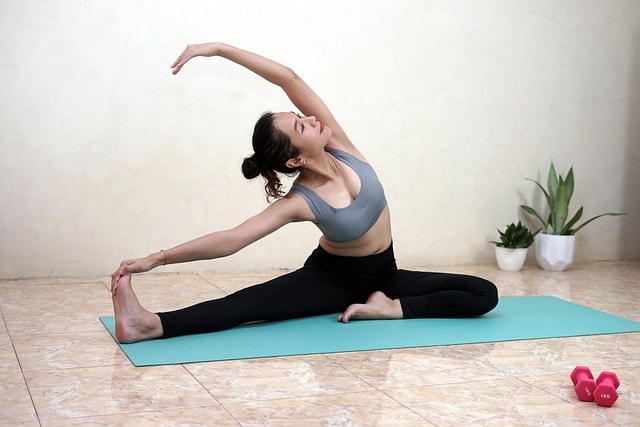
The core benefits extend far beyond calorie burn. Regular 10 minute sessions improve core stability by strengthening deep stabilizing muscles that support your spine during daily activities. Your posture transforms as exercises targeting the shoulder blades and spine counteract hours of sitting hunched over screens. Enhanced flexibility develops through controlled movements that lengthen tight muscle groups, particularly in the hips and shoulders.
Mental health benefits emerge quickly too. The focused breathing and body awareness required in pilates naturally reduce stress levels while improving concentration. Many practitioners report feeling more centered and energized after just one session, making it an ideal way to start your day or decompress from work stress.
The philosophy behind this approach traces back years ago to joseph pilates himself, who emphasized that “a few well-designed movements, properly performed in a balanced sequence, are worth hours of doing sloppy calisthenics or forced contortion.” This principle proves especially relevant in our modern context where consistency matters more than duration.
Are 10 Minute Pilates Workouts Actually Effective?
Scientific evidence strongly supports the effectiveness of short-burst exercise protocols. A landmark 2019 study published in the Journal of Sports Medicine demonstrated that participants following an 8-week pilates program showed significant improvements in BMI and substantial reductions in waist circumference – even with sessions shorter than traditional classes.
The key lies in understanding how your body responds to concentrated effort. When you engage in 10 minute pilates with proper focus and form, you activate multiple fitness components simultaneously. Your core muscles work to stabilize your spine, your arms and legs challenge balance and coordination, and controlled breathing enhances cardiovascular efficiency.
Consistency outweighs duration in virtually every fitness metric. Daily 10 minute sessions create superior results compared to sporadic hour-long workouts because they build sustainable habits while allowing adequate recovery between sessions. Your nervous system adapts more readily to frequent, manageable challenges than to occasional intense efforts that leave you exhausted for days.
The exercise targets multiple systems at once, making every minute count. While your abs engage to maintain proper alignment, your glutes activate for hip stability, and your shoulders work to support various arm positions. This compound effect explains why participants often notice improvements in overall strength and movement quality within just 2-3 weeks of consistent practice.
Perhaps most importantly, 10 minute sessions build exercise habits that naturally extend over time. Many people who start with brief workouts gradually increase their practice as their fitness improves and they discover how good movement feels. What begins as a time-saving compromise often evolves into a genuine appreciation for the pilates method.
Who Should Try 10 Minute Pilates Workouts
Busy professionals represent the ideal demographic for 10 minute pilates routines. If you’re juggling meetings, deadlines, and family obligations, these concentrated sessions fit seamlessly into your schedule. You can complete an effective workout before your morning shower, during lunch breaks, or while dinner cooks in the oven.
Beginners new to pilates benefit enormously from this manageable introduction to the method. Rather than feeling overwhelmed by complex sequences in a crowded class, you can learn fundamental movement patterns at your own pace. The shorter duration prevents fatigue that might compromise your form, allowing you to build proper technique from the foundation up.
Desk workers dealing with chronic neck pain, tight hip flexors, and rounded shoulders find targeted relief through consistent short sessions. These workouts specifically address the muscular imbalances created by prolonged sitting, helping you develop the core strength and spinal mobility needed to counteract occupational hazards.
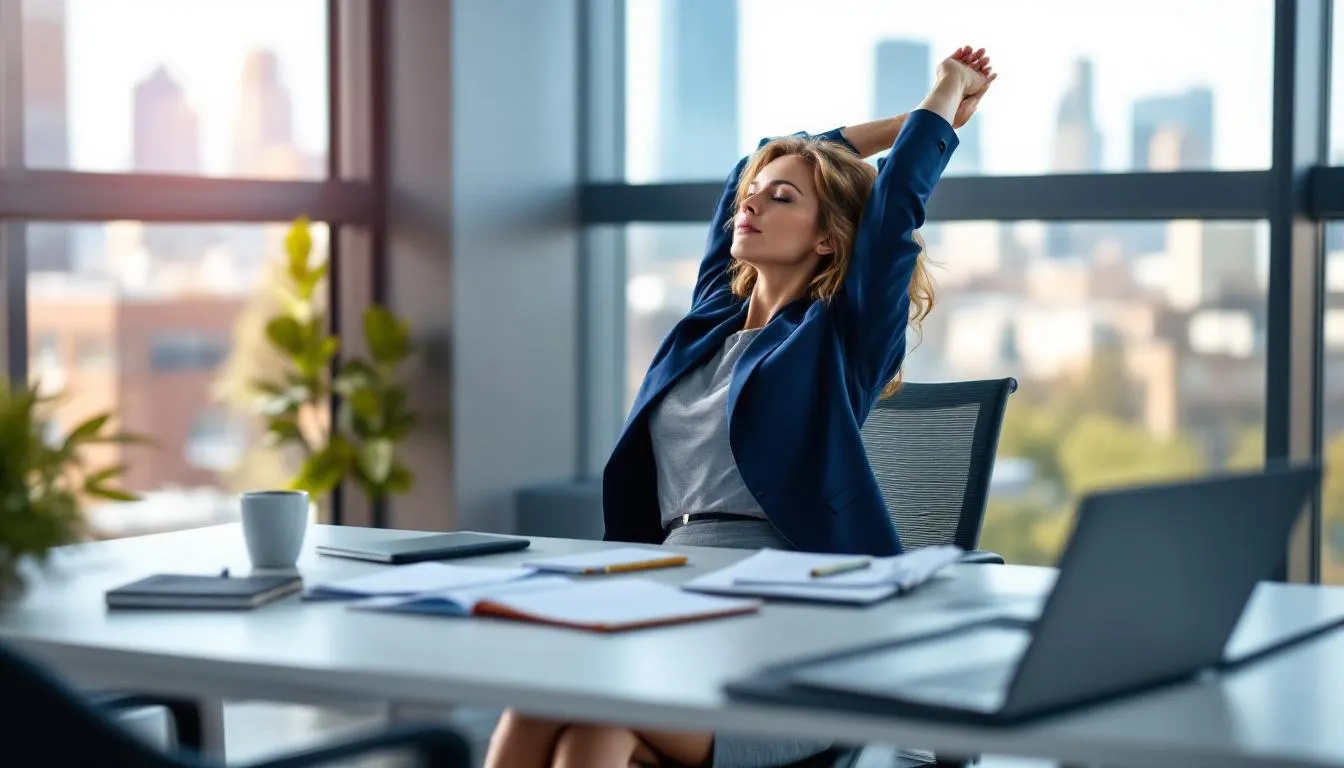
Athletes across all sports increasingly use pilates for cross-training and injury prevention. A focused 10 minute routine serves as an excellent warm-up before training or a recovery session after intense workouts. The emphasis on controlled movement and body awareness translates directly to improved performance in other physical activities.
Parents with young children often struggle to maintain fitness routines, but 10 minute sessions can be squeezed into nap times or early mornings before the household wakes up. The minimal equipment requirements mean you can practice anywhere, whether at home, in hotel rooms during family vacations, or even outdoors in nice weather.
Anyone returning to exercise after injury or an extended break should consider starting with these gentle, progressive routines. The low-impact nature reduces injury risk while the shorter duration prevents overwhelming your deconditioned cardiovascular system. You can gradually build strength and confidence before progressing to longer or more intense workouts.
Types of 10 Minute Pilates Workouts
Core-Focused Sessions
Core-focused 10 minute pilates sessions concentrate exclusively on your abdominal muscles, deep stabilizers, and the intricate network of muscles supporting your spine. These routines typically begin with gentle activation exercises like pelvic tilts before progressing to more challenging movements.
The Hundred serves as a cornerstone exercise, with your head lifted and arms pumping rhythmically while your legs remain stable. This movement simultaneously strengthens your abs while challenging your cardiovascular system. Single-leg stretch follows naturally, requiring you to maintain core stability while your right leg extends as your left leg draws toward your chest, then alternating smoothly.
Crisscross exercises add rotational challenge, engaging your obliques as you bring your left hand toward your right knee while extending your left leg straight. For added core engagement, try a controlled knee-to-nose tap from plank position, focusing on slow movement and stability. During leg lifts or stretches, remember to point or align your toes to ensure proper form and maximize muscle activation. These sequences develop the deep core strength essential for spinal health and athletic performance.
Perfect for morning routines, these sessions activate your core muscles before daily activities. When your stabilizing muscles engage properly from the start of your day, you naturally maintain better posture and move more efficiently through all your tasks.
Full-Body Flows
Full-body 10 minute pilates flows combine upper body, lower body, and core movements into seamless sequences that challenge your entire muscular system. These workouts typically transition between mat exercises and standing positions, creating dynamic movement patterns. During these transitions, you may need to shift your weight or body position smoothly to move between poses and enhance alignment.
A typical sequence might begin with roll-ups, articulating your spine vertebra by vertebra while your arms reach overhead, then flow into shoulder bridge exercises where your right foot and left foot press into the mat as you lift your hips skyward. The transition between positions challenges balance and coordination while targeting different muscle groups.
These flows incorporate exercises like pilates push-ups, where you roll down through your spine before placing your palms facing down on the mat and performing push-ups with perfect alignment. The emphasis on controlled transitions means you’re working multiple muscle groups simultaneously while developing fluid movement patterns.
Standing exercises add variety and challenge different muscle groups. You might finish with high diagonal reaches, extending your right hand while lifting your left leg, requiring intense focus and full-body integration.
Posture and Mobility Focused
Posture-focused routines specifically target the muscular imbalances created by modern life, particularly prolonged sitting and screen time. These sessions emphasize spinal articulation, shoulder blade mobility, and hip flexor lengthening.
Spinal rolling exercises help decompress your vertebrae while improving segmental control. You slowly roll down through your spine, feeling each vertebra contact the mat individually before reversing the movement. This develops the kind of spinal awareness that translates to better posture throughout your day.
Shoulder blade exercises address the rounded shoulders common in desk workers. Movements that squeeze your shoulder blades together while opening your chest counteract the forward head posture that causes neck pain and tension headaches.
These routines can be performed during work breaks or lunch hours, making them incredibly practical for people spending long hours at computers. The gentle nature means you won’t work up a sweat, allowing you to return to work refreshed rather than needing a shower.
HIIT Pilates Fusion
HIIT pilates fusion combines traditional pilates principles with high-intensity intervals to maximize calorie burn and cardiovascular benefits. These challenging routines alternate between periods of intense effort and active recovery.
A typical sequence might include burpees flowing into downward dog positions, followed by mountain climbers with your palms facing the mat and your core engaged. Fast-paced sequences challenge your cardiovascular system while maintaining the controlled movement quality essential to pilates.
These workouts often incorporate jumping movements and rapid transitions between exercises. You might perform jump squats with your arms reaching overhead, then immediately drop into a pilates roll-down before flowing into the next movement.
Perfect for those wanting significant calorie burn alongside strength building, these sessions deliver the cardiovascular benefits often missing from traditional pilates. However, they require good basic fitness and familiarity with fundamental pilates principles to maintain proper form during intense intervals.
Essential 10 Minute Pilates Exercises
Beginner Foundation Moves
Building a strong foundation starts with mastering basic movements that teach proper alignment and core engagement. The pilates curl serves as an essential starting point, teaching you to lift your head and shoulders while maintaining neutral spine alignment. Focus on 8-10 slow, controlled repetitions, feeling your abs draw your ribs toward your hips rather than straining your neck.
The modified hundred provides core activation without overwhelming beginners. With your knees bent and feet flat on your mat, lift your head while pumping your arms up and down for 50 counts. This teaches the coordinated breathing pattern essential to more advanced exercises while building endurance gradually.
Single-leg stretch in its modified form helps develop stability and coordination. Lying on your back with both knees bent, draw one knee toward your chest while extending the other leg slightly off the ground. Hold your right knee with your right hand while your left hand rests on your ankle, then slowly switch legs. Aim for 5 repetitions each side, focusing on maintaining a stable pelvis throughout.
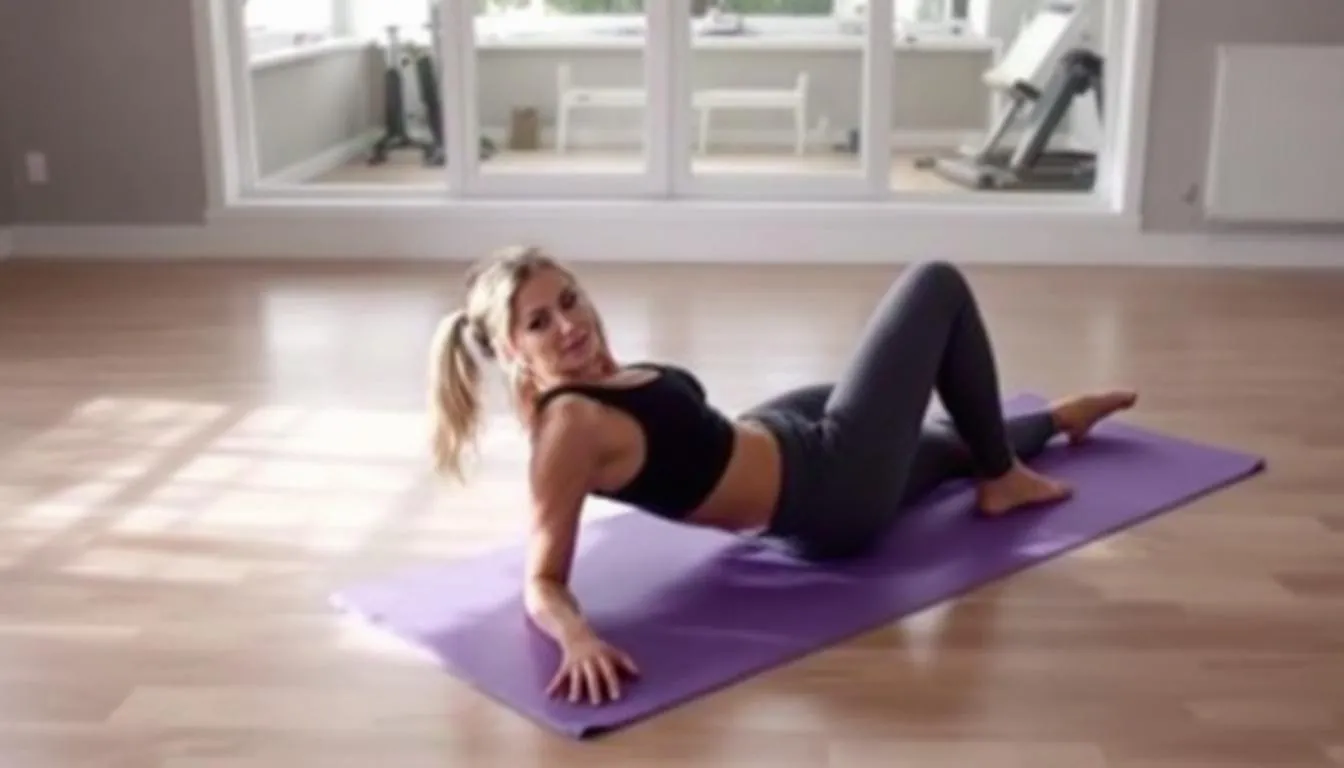
Child’s pose provides essential recovery between exercises, allowing your spine to decompress while maintaining the mindful awareness central to pilates. Sink your hips back toward your ankles while reaching your arms forward, holding for 30 seconds to reset your nervous system.
These foundational movements establish the movement patterns and body awareness necessary for progression. Master these slowly and with perfect control before advancing to more challenging variations.
Intermediate Power Moves
Intermediate exercises challenge your strength and coordination while maintaining the precise control that defines quality pilates practice. The roll-up represents a significant step forward, requiring you to articulate through your spine while your arms reach overhead. Perform 5-8 slow, controlled repetitions, imagining each vertebra peeling off the mat individually.
Rolling like a ball develops dynamic balance and spinal flexibility. Balancing just behind your sitting bones with your knees drawn to your chest, rock back to your shoulder blades then return to the starting position. Maintain your C-curve shape throughout 8 rolls, using your abdominal strength rather than momentum.
Double-leg stretch adds complexity by challenging your core stability while your arms and legs move in opposition. From your pilates curl position, extend both legs to a 45-degree angle while reaching your arms overhead, then circle your arms around to return to the starting position. Coordinate your breath with the movement for 8 repetitions.
Teaser preparation builds toward one of pilates’ most challenging positions. Starting with your knees bent, slowly lower your spine to the mat while keeping your feet connected. Then engage your abs to roll back up, reaching your arms forward as you balance behind your sitting bones. Practice 5 repetitions, focusing on smooth control rather than speed.
These movements require significantly more core strength and coordination than beginner exercises. Take your time to build the necessary strength, and don’t rush the progressions.
Advanced Challenge Exercises
Advanced pilates exercises demand exceptional core strength, flexibility, and neuromuscular control. The full teaser represents the pinnacle of pilates achievement, requiring you to balance in a V-position with your legs straight and arms reaching parallel to your legs. Hold for several breaths during 3-5 repetitions, maintaining perfect alignment throughout.
Double straight-leg stretch challenges your deepest abdominal muscles while your legs extend toward the ceiling. Lower your straight legs to a 45-degree angle while maintaining your pilates curl, then use your core strength to return them to vertical. The key lies in keeping your lower back connected to the mat throughout 8 challenging repetitions.
Crisscross with full extension adds rotational power to your core training. From your pilates curl position, bring your left hand toward your right knee while your left leg extends straight, then rotate to the other side. Perform 10 repetitions each side with smooth, controlled transitions that challenge your obliques intensely.
The pilates push-up series combines upper body strength with spinal articulation. Standing tall, roll down through your spine until your palms face the mat, then walk out to a push-up position. Perform 3-5 push-ups with perfect alignment before walking back and rolling up to standing. This full-body integration represents advanced pilates principles in action.
These exercises should only be attempted after mastering intermediate movements. The risk of injury increases significantly with poor form at this level, so prioritize technique over repetitions.
How Often Should You Do 10 Minute Pilates
Determining optimal frequency depends on your fitness goals, current conditioning, and available time. For noticeable strength improvements, aim for a minimum of 3 sessions per week, allowing rest days for muscle recovery and adaptation. This frequency provides sufficient stimulus for progressive overload while preventing overuse injuries.
Daily practice becomes beneficial once you’ve established proper movement patterns and built basic strength. Many pilates instructors recommend 5-7 days per week, alternating between different focus areas to prevent muscle fatigue. You might target your core on Monday, focus on posture and mobility Tuesday, then return to full-body flows Wednesday.
The beauty of 10 minute sessions lies in their sustainability. Unlike intensive hour-long workouts that require significant recovery, these brief sessions can be performed daily without overwhelming your nervous system. Your body adapts to consistent, moderate challenges more readily than sporadic intense efforts.
Consider combining your pilates practice with the recommended 150 minutes of moderate aerobic activity per week. Your 10 minute sessions contribute to overall movement goals while providing specific benefits for core strength, flexibility, and posture that complement cardiovascular exercise.
Rest days remain important even with brief sessions. Plan 1-2 complete rest days weekly, or substitute gentle stretching and mobility work when your body feels fatigued. Listen to your body’s signals – persistent muscle soreness or decreased performance indicates the need for additional recovery time.
Track your consistency rather than intensity. Building the habit of daily movement proves more valuable than occasional perfect sessions. Many people find that consistent 10 minute practice naturally evolves into longer sessions as their fitness improves and they discover the mental benefits of focused movement.
Equipment Needed for 10 Minute Pilates
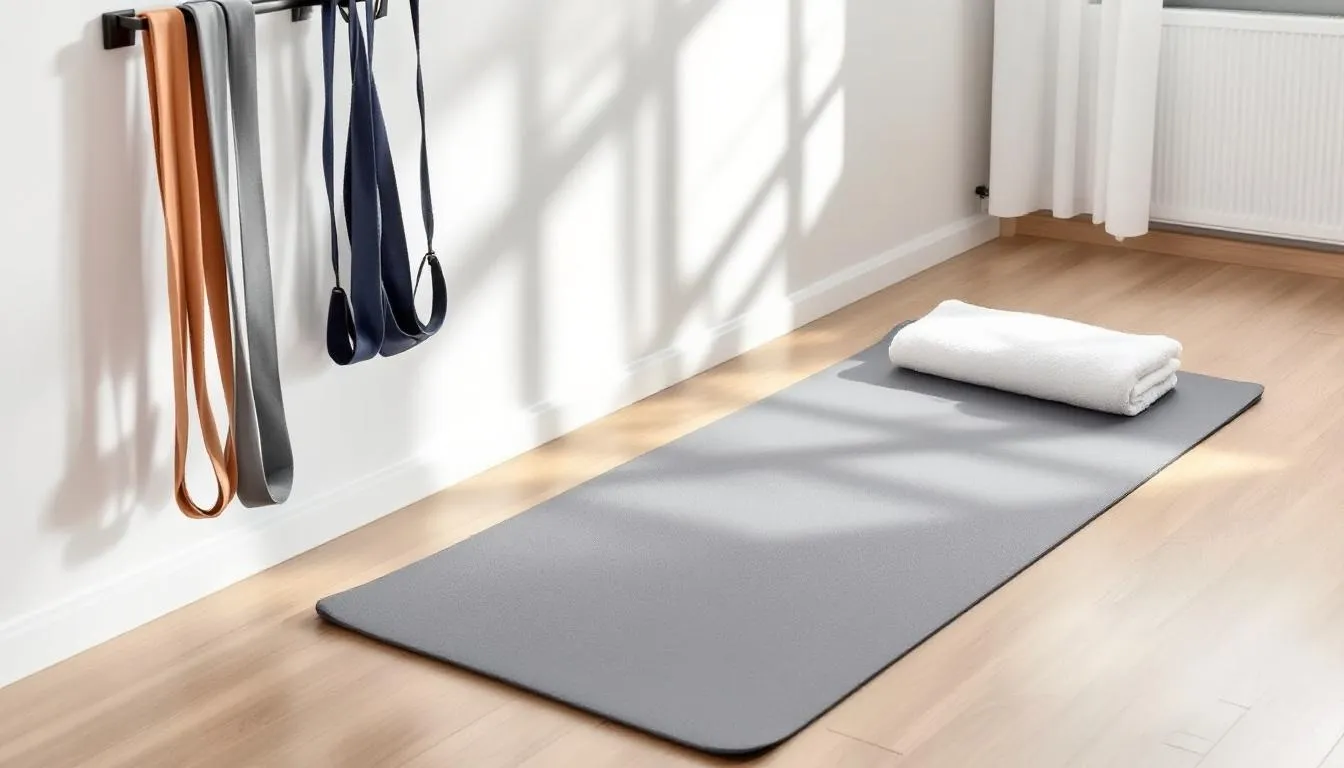
The beauty of mat-based pilates lies in its minimal equipment requirements. A quality yoga mat provides essential cushioning and grip for floor exercises, while any carpeted surface offers sufficient support for basic movements. Invest in a mat approximately 6 feet long and 24 inches wide to accommodate full-body movements comfortably.
Optional resistance bands expand exercise possibilities significantly. These lightweight tools add variable resistance to arm and leg movements, intensifying muscle engagement without requiring heavy weights. A set of light, medium, and heavy resistance bands costs minimal money while dramatically increasing workout variety.
A small towel serves multiple purposes during sessions. Roll it under your head for neck support during exercises like the hundred, or place it under your lower back if you experience discomfort lying flat. Some practitioners use towels to assist with stretches or provide feedback for proper spine alignment.
Keep a water bottle nearby for hydration, especially during more intense HIIT fusion sessions. Proper hydration supports muscle function and helps prevent cramping during challenging positions. Take small sips between exercises rather than drinking large amounts that might cause discomfort.
Comfortable, stretchy clothing allows full range of motion without restriction. Avoid loose garments that might get tangled during movements or hide proper alignment. Form-fitting clothes help you monitor your posture and movement quality more effectively.
A timer or smartphone app helps maintain session structure without constantly checking clocks. Many apps offer specific pilates routines with built-in timing, verbal cues, and video demonstrations. In fact, many platforms include pilates as part of their wellness service, providing users with a variety of routines, support, and user-friendly features. You can also find excellent instructional videos on youtube and other platforms to supplement your practice.
The minimal equipment requirements mean you can practice virtually anywhere – at home, in hotel rooms during travel, outdoors in pleasant weather, or even in office spaces during break times. This accessibility contributes significantly to long-term consistency.
Tips for Maximizing Your 10 Minute Pilates Sessions
Quality consistently trumps quantity in effective pilates practice. Focus on performing 5 perfect repetitions rather than 10 sloppy ones that reinforce poor movement patterns. Each movement should be deliberate and controlled, with your full attention directed to proper alignment and muscle engagement.
Maintain steady breathing throughout all exercises, never holding your breath during challenging positions. The pilates breathing pattern involves inhaling through your nose while preparing for movement, then exhaling through pursed lips during the effort phase. This coordinated breathing enhances oxygen delivery while helping maintain core engagement.
Engage your core before starting each movement rather than trying to find it mid-exercise. Draw your navel gently toward your spine while maintaining natural breath, creating a foundation of stability from which all movement originates. This pre-activation dramatically improves exercise effectiveness while reducing injury risk.
Start conservatively with 2-3 exercises per session, gradually adding movements as your strength and familiarity improve. It’s better to master a small repertoire perfectly than to struggle through complex routines with poor form. Build your practice systematically, adding one new exercise every week or two. When you feel ready, go ahead and try a new movement or sequence—progress at your own pace and celebrate each step forward.
Track your progress through multiple metrics beyond simple repetition counts. Notice improvements in balance during single-leg exercises, increased range of motion during spinal movements, or enhanced coordination during complex sequences. These qualitative improvements often prove more meaningful than quantitative measures.
Vary your workout types throughout the week to prevent boredom and ensure balanced development. Monday might focus on core strength, Tuesday on posture and mobility, Wednesday on full-body flows, and Thursday on challenging advanced movements. This variety keeps practice interesting while addressing different aspects of fitness.
Create a consistent practice environment that signals your brain it’s time to focus on movement. Use the same mat in the same location when possible, perhaps playing similar music or following a brief centering routine before beginning. These rituals help establish the mindful awareness that distinguishes pilates from mere exercise.
Listen to your body’s feedback and adjust intensity accordingly. Some days you’ll feel strong and energized, perfect for challenging sequences. Other days might call for gentler mobility work that still honors your commitment to daily movement. Consistency matters more than intensity – showing up regularly builds the foundation for long-term success.
Remember that pilates is a practice, not a performance. Joseph pilates developed his method over many years, continuously refining and adapting movements based on his observations and experience. Approach your own practice with similar patience and curiosity, celebrating small improvements while maintaining realistic expectations about the timeline for major changes.
The journey into 10 minute pilates offers a sustainable path to improved strength, flexibility, and well being that honors both your time constraints and your body’s need for movement. Whether you’re seeking relief from desk-job posture problems, looking to develop core strength for athletic performance, or simply wanting a manageable entry point into the pilates method, these concentrated sessions deliver meaningful results.
Start today with just one exercise performed mindfully and with full attention. Your future self will thank you for taking that first step toward building a consistent practice that enhances your physical health and mental well being. The commitment is small – just 10 minutes – but the rewards compound daily, creating positive changes that extend far beyond your exercise mat.
Common Mistakes to Avoid in 10 Minute Pilates
Even in a short 10 minute pilates workout, small mistakes can make a big difference in your results and overall well being. One of the most common pitfalls is neglecting to engage your core throughout each exercise. Without proper core activation, you may find your lower back or shoulders taking on unnecessary strain, especially during moves like the shoulder bridge. To prevent this, focus on drawing your abs in and gently squeezing your shoulder blades together, creating a stable foundation for every movement.
Another frequent error is losing body awareness and letting your posture slip. Whether you’re performing the Hundred or a simple roll-up, always keep your spine long, your hips level, and your shoulders relaxed away from your ears. This attention to alignment not only protects your body but also maximizes the effectiveness of each pilates exercise.
Breath is another area where many people falter. Holding your breath or breathing shallowly can create tension and limit your flexibility. Instead, practice steady, controlled breathing—inhale to prepare, exhale as you move—so your body and mind stay connected throughout your pilates workout.
Finally, rushing through exercises to fit them into a 10 minute window can compromise your form. Remember, quality trumps quantity. Move slowly and with intention, focusing on the details of each movement, from the position of your hips to the engagement of your abs. By avoiding these common mistakes, you’ll build better posture, stronger core muscles, and a safer, more effective pilates practice.
Customizing Your 10 Minute Pilates Workout
One of the greatest strengths of a 10 minute pilates workout is its adaptability. Whether you’re a beginner or a seasoned practitioner, you can tailor your routine to fit your unique needs, goals, and schedule. If you’re just starting out, focus on foundational exercises like the pilates curl or roll-up, and gradually add more challenging moves as your strength and confidence grow.
To increase the challenge, try modifying classic exercises. For example, in the shoulder bridge, once you feel stable, lift your right leg straight up toward the ceiling, then lower it back down with control before switching sides. This variation intensifies the workout for your glutes and core, while also testing your balance and focus.
If you want to target specific areas, select exercises that hone in on those muscles. For core strength, incorporate teasers or side planks; for glutes, add more bridges or leg lifts. Props like resistance bands or light weights can further enhance your practice, adding variety and increasing muscle engagement.
Don’t forget to consider your daily routine. If a full 10 minute session feels daunting, split it into two 5 minute segments—perhaps one in the morning to wake up your body, and another in the evening to unwind. This flexibility helps you stay consistent, avoid plateaus, and keep your pilates practice both effective and enjoyable. By customizing your workout, you’ll stay motivated, continually challenge yourself, and see steady progress in your strength, posture, and overall well being.
Staying Motivated with 10 Minute Pilates
Maintaining motivation is key to making 10 minute pilates a lasting part of your fitness journey. Start by choosing a pilates workout routine that excites you—whether it’s following along with inspiring videos on YouTube, working with a pilates instructor, or creating your own sequence of favorite exercises. There are countless options online, from “10 MIN PILATES HIIT WORKOUT | Full Body Sculpt” to “Pilates For Desk Posture | 10 Minute Break,” so you can always find something fresh to keep your practice engaging.
Set realistic, achievable goals, such as practicing three times a week, and track your progress to celebrate improvements in your posture, body awareness, and overall health. Mixing up your routine with new exercises, like the single-leg stretch or double-leg kick, or adding equipment such as ankle weights or resistance bands, can keep things interesting and challenge your full body in new ways.
Accountability also plays a big role in staying consistent. Consider joining a pilates community, signing up for a class, or finding a workout buddy to share tips and encouragement. Remind yourself of the many benefits pilates brings—not just physical fitness, but also enhanced mental health, improved well being, and a greater sense of control over your body.
Ultimately, the key to motivation is making your 10 minute pilates practice something you look forward to. By staying curious, open to new challenges, and connected to the positive changes in your body and mind, you’ll find it easier to keep showing up for yourself—one short, powerful session at a time.